Our projects tell the stories of how we deliver a lasting impact for our clients.Explore some of our favorites
As owners work to meet sustainability goals and respond to growing pressure to reduce industrial emissions, electrification is becoming an integral part of energy infrastructure planning. However, electrifying a facility’s heating systems creates a new challenge: large boilers and industrial processes require significant amounts of electricity.
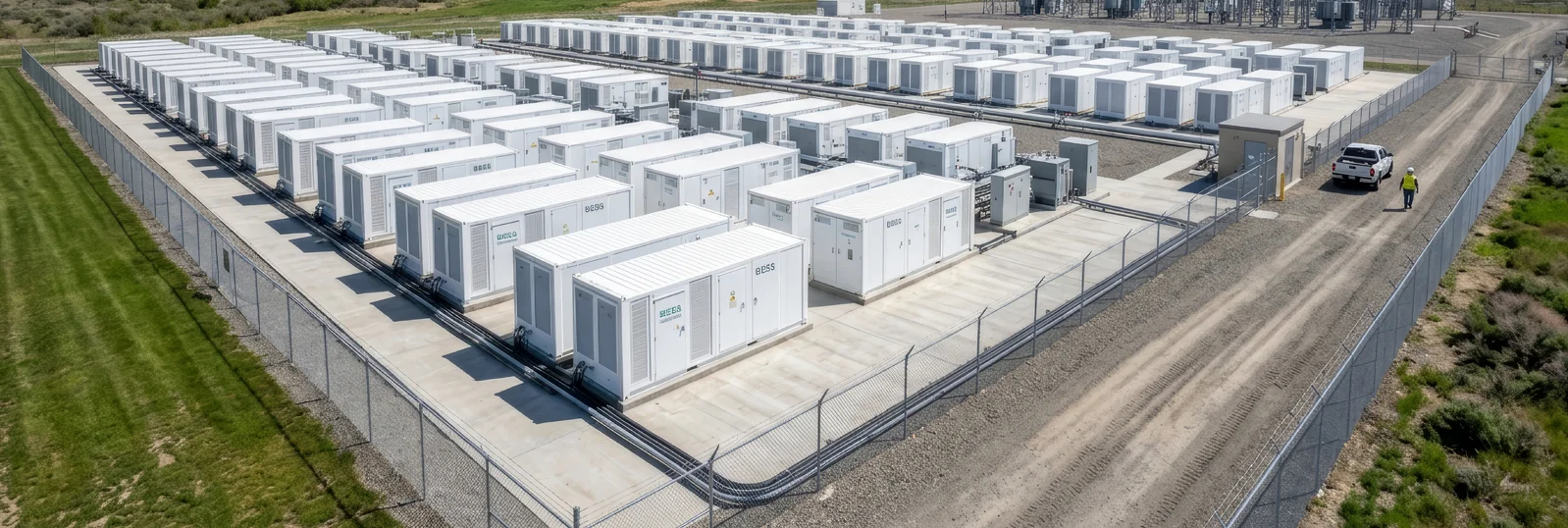
Thermal heat batteries provide an alternative approach. Rather than using electricity to immediately produce heat, these systems convert off-peak, less expensive electricity into thermal energy, storing it so that it can then be delivered as hot air, water, or steam.
A thermal heat battery stores energy as heat rather than electrochemically. One example is the Rondo Heat Battery, which uses electric resistance heating elements to heat refractory brick to temperatures up to 1,500 degrees Celsius. When a facility needs heat, air is passed through the heated brick and can then be delivered directly as high-temperature air or used to produce steam through a heat recovery steam generator.
This process is known as electric resistance, a form of heating that has been used for decades, while refractory materials have been around even longer. The innovation comes from combining these established technologies with modern controls, renewable power, utility-rate optimization, and large-scale energy infrastructure.
Thermal batteries differ from electrical energy storage batteries in that they convert clean off-peak electricity into heat and store that heat for later use.
The main economic opportunity associated with thermal batteries is energy arbitrage. Electricity rates vary depending on the time of day and the amount of demand on the grid. A thermal battery allows a facility to purchase or generate electricity during lower-cost periods, store that energy as heat, and use the heat later when electricity may be more expensive. For instance, a battery could charge for approximately six to eight hours while providing stored thermal energy over a 24-hour operating period.
Renewable energy creates another opportunity. A facility with on-site solar could use periods of direct sunlight to charge the thermal battery and use the stored heat later. Grid electricity or other renewable sources such as wind supplement that energy when solar production is unavailable.
Specific benefits depend heavily on the site application opportunity. Owners should evaluate utility rates, demand charges, available electrical capacity, renewable energy production, natural gas costs, operating schedules, and the amount of steam or heat the facility requires. If there is little difference between periods of lower- and higher-cost electricity, the financial benefits of energy arbitrage will be reduced.
Facilities with large and relatively consistent steam loads are the strongest candidates for thermal storage. Manufacturing plants are one application because many industrial processes require significant amounts of steam or high-temperature heat.
College and university campuses provide another opportunity. Many older campuses operate central boiler plants that distribute steam or hot water to multiple buildings. Some also operate large steam-driven chillers. Instead of immediately replacing all that existing steam infrastructure, a campus could use a thermal battery to change how steam is produced. Electricity from the grid or on-site renewable generation charges the battery, which then provides steam in place of some gas-fired boiler operation.
Thermal heat batteries are not the right solution for every facility. Their value depends on having the right application, utility-rate structure, thermal demand, and carbon-reduction goals. When those conditions are met, thermal batteries provide another pathway for producing lower-carbon steam and process heat while giving facilities more flexibility over when they consume electricity.
To discuss how your facility can evaluate thermal battery technology, energy storage opportunities, and decarbonization strategies, email me at psposato@wbengineering.com.