Our projects tell the stories of how we deliver a lasting impact for our clients.Explore some of our favorites
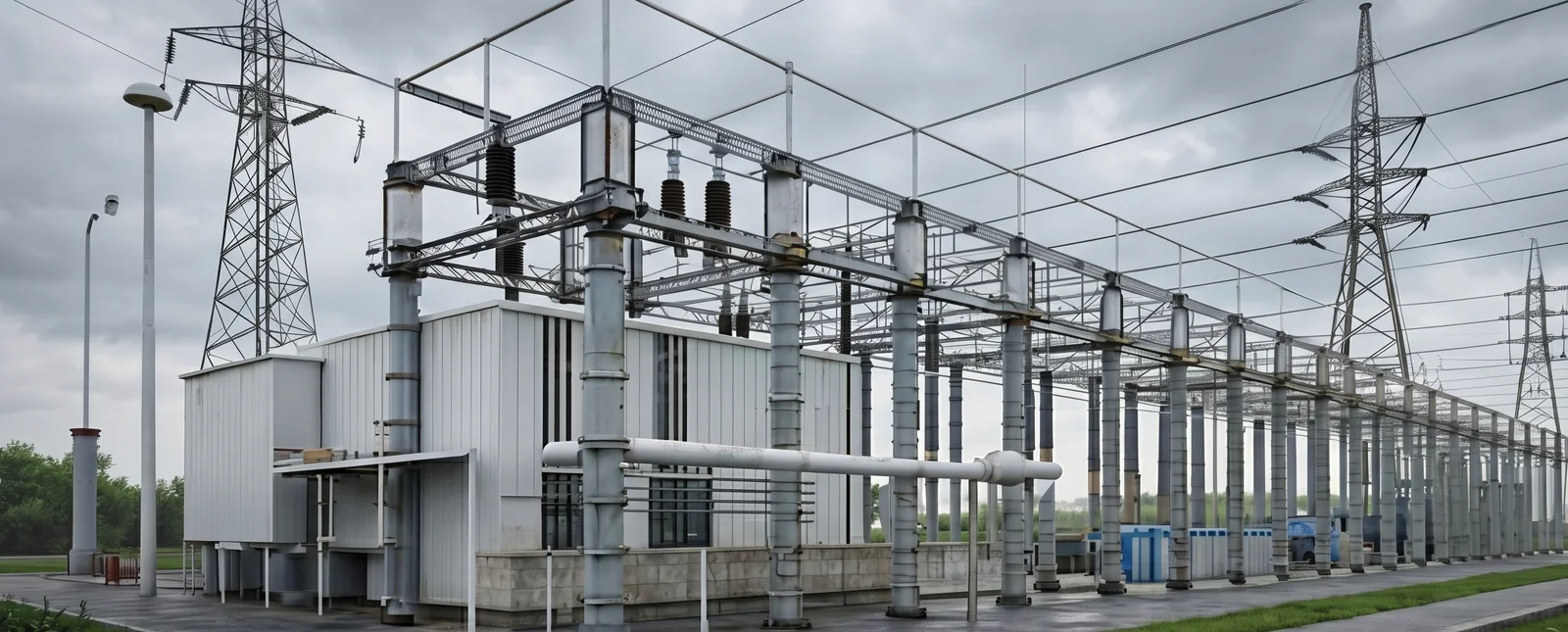
Energy Infrastructure is utility scale power (50 to 500+ MW) that consists of several onsite Distributed Energy Resources (DER), such as solar, battery storage, and gas-fired power generation. We plan, design, and deliver this infrastructure so it provides power directly to our clients (behind the meter) while operating as an integrated onsite microgrid, often in parallel with the utility grid.
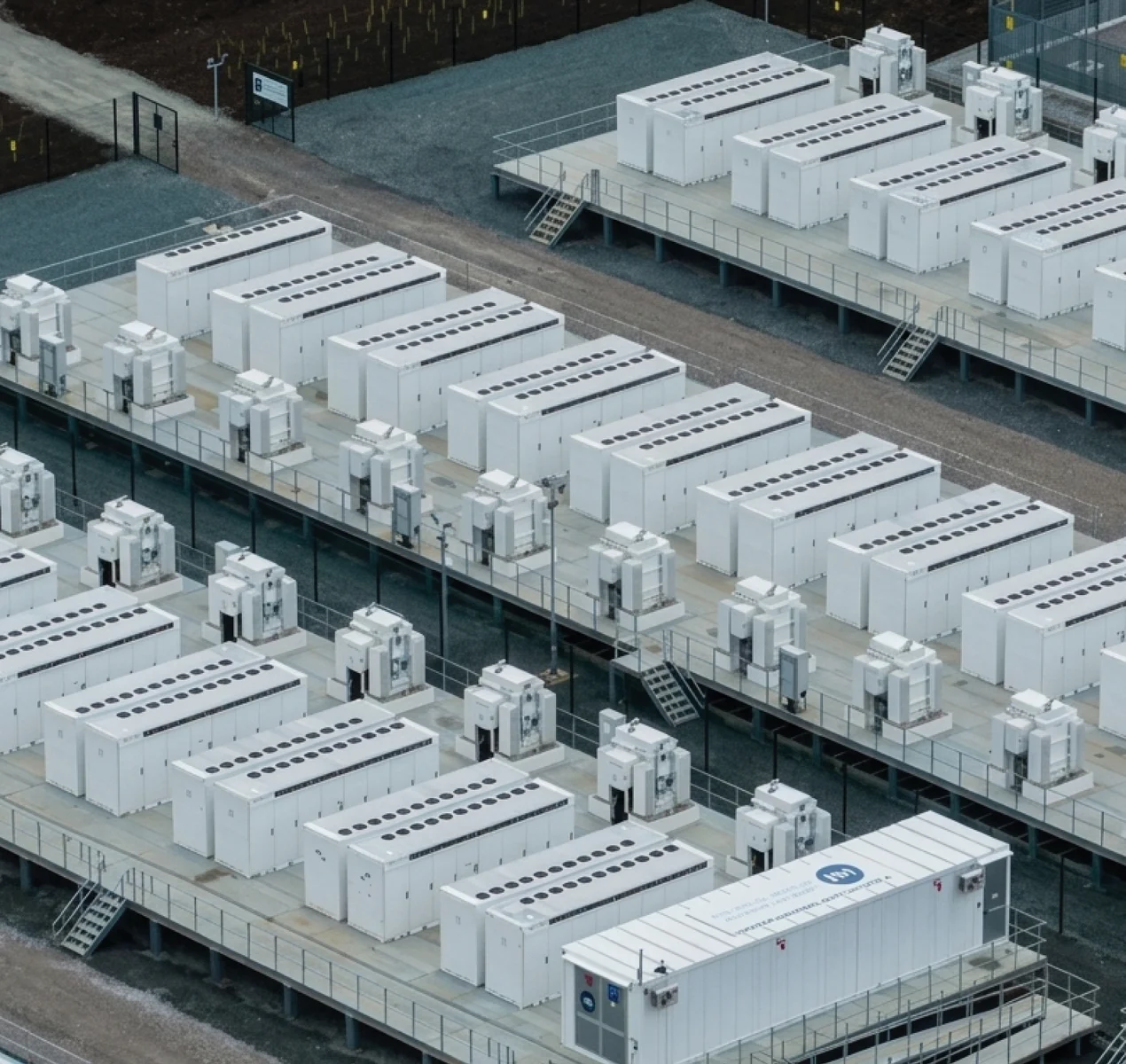
AI and high-performance computing are driving an increase in energy demand, with power densities reaching 20-30 times those of legacy racks. In many cases, utilities cannot meet these increased power demands or deliver required power quickly enough to support the accelerated schedules of AI-driven projects. As a result, clients are turning to smart onsite microgrids powered by multiple DERs.
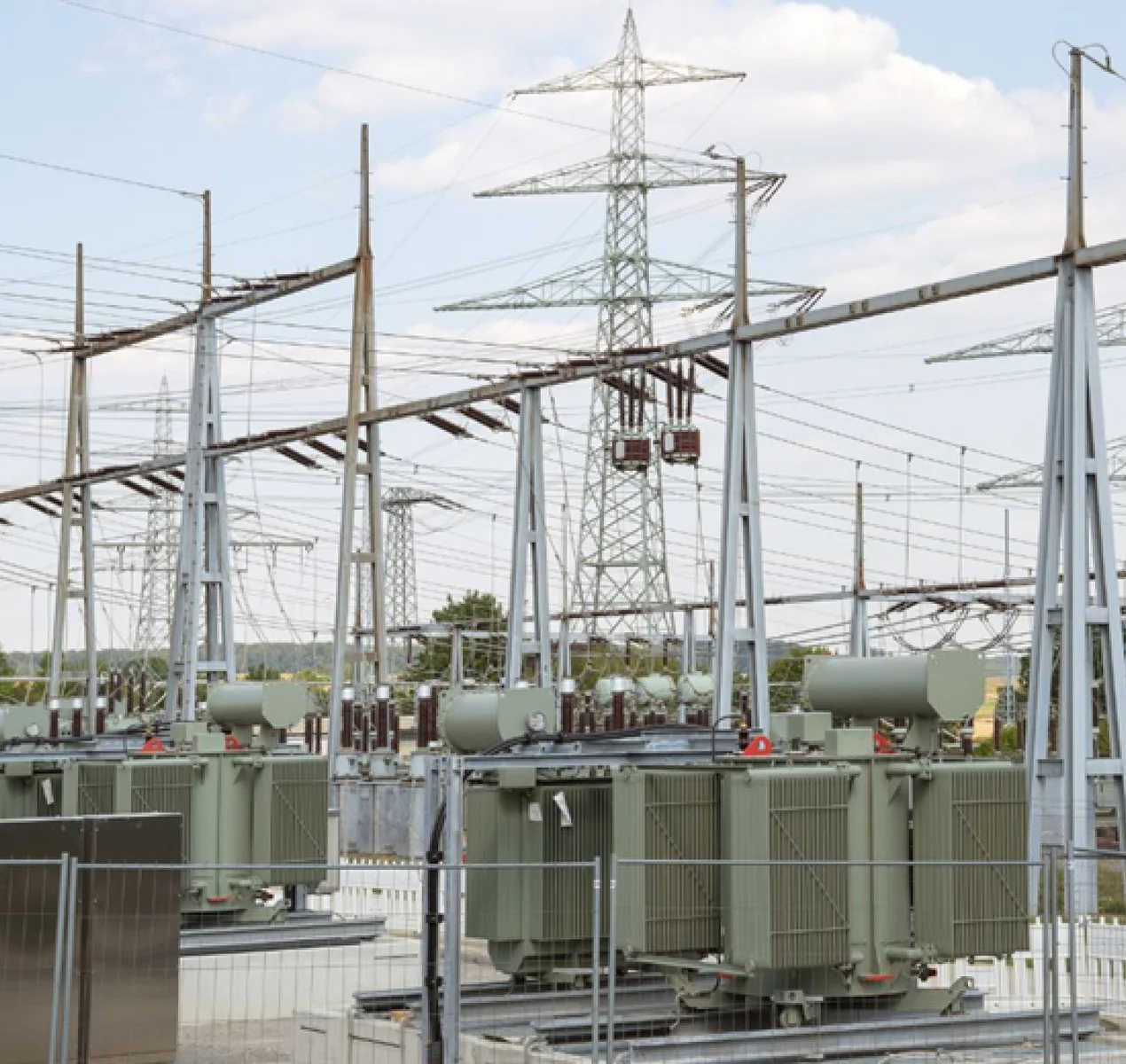
As utility limitations, new regulatory changes, and technology advancements shift power delivery, clients and operators need to rethink how energy is sourced, funded, and maintained. We focus on this early in the project development process by guiding teams and providing alternative energy solutions that prioritize speed-to-market, efficiency, and resiliency. From there, we design onsite generation and microgrid solutions that mimic utility-grid reliability and provide the backup resiliency that data center operators require.
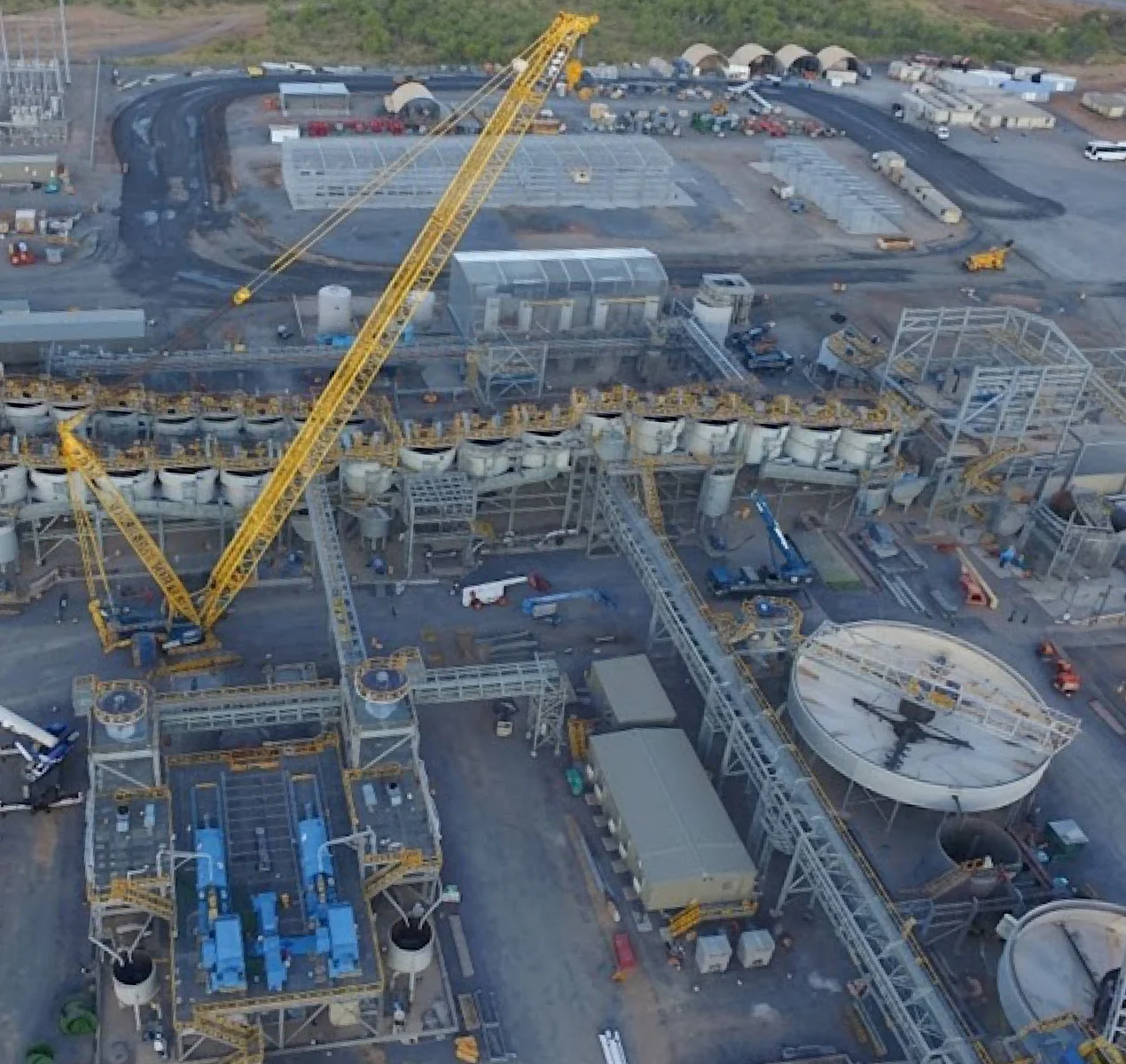
Securing permits and licensing can be one of the earliest and most critical hurdles in energy infrastructure projects. Delays at this stage can significantly impact timelines and feasibility. We support site selection and early coordination with local authorities to navigate permitting requirements and infrastructure availability, which reduces risk and accelerates project delivery.
We provide end-to-end energy infrastructure services, from site evaluation, utility coordination, and permitting through detailed design of electrical interconnection, on-site power generation, and microgrid systems. We also support procurement, budgeting, and scheduling, along with construction oversight and owner’s representation.
Data centers and other high-demand facilities require significantly higher power density, redundancy, and uptime compared to traditional commercial buildings. In contrast, commercial systems are typically optimized for efficiency and occupant comfort. Our designs account for these differences, so that each system is tailored to the specific needs of the facility.
On-site power and microgrid solutions make sense when utility providers cannot meet required capacity or timelines. They are also often considered for high-demand facilities that require greater control over reliability and energy costs, as well as long-term performance.
Our experience includes gas-fired co-generation systems (such as reciprocating engines, gas turbines, and fuel cells), Battery Energy Storage Systems (BESS), solar PV, micro-wind, and thermal heat battery solutions. These technologies are often integrated into microgrids and distributed energy systems to improve resiliency for high-demand facilities.
Companies with high energy demands benefit most from energy infrastructure services, including data center developers and operators, large industrial and manufacturing companies, and technology park developers. We also work with commercial property portfolio owners, management companies, and utilities adopting distributed energy and front-of-the-meter solutions.