Our projects tell the stories of how we deliver a lasting impact for our clients.Explore some of our favorites
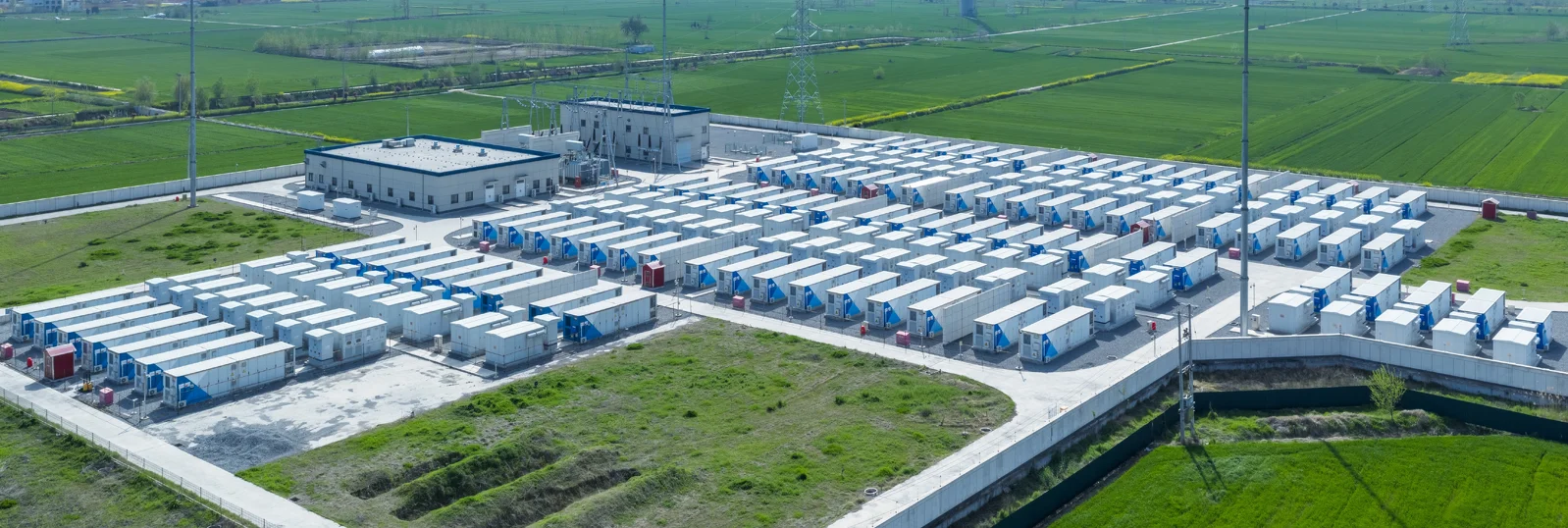
Artificial intelligence (AI) is driving demand for several types of data centers, each with different infrastructure needs. For example, AI training facilities develop and refine models through large computing workloads. AI inference data centers serve a different purpose: they run trained models and respond to requests from chat applications, search tools, and enterprise platforms. While AI training campuses are typically located farther from major populations, AI inference data centers need to be located closer to the customers that they serve to maintain fast and reliable data transmission.
For a market like New York City, that could mean locating an AI inference facility 25 to 125 miles from the region it supports. Although these facilities are smaller than AI training campuses, they still could require 50 to 100 megawatts (MW) of power. In this article, our team outlines an example of the questions that owners should ask as they evaluate approaches to power generation, referencing 60 MW inference data centers.
A potential site may offer adequate land, fiber connectivity, suitable zoning, and proximity to a major city, but the local electrical infrastructure may not be able to support an additional 60 MW for any time between four and seven years.
Supporting an AI inference data center often requires utility infrastructure improvements, including new substations and transmission upgrades. That means that developers must evaluate the utility’s available capacity and delivery timeline, along with any upgrades the project will require.
Once owners evaluate the local power infrastructure, they can compare two primary paths to power: utility service through a new or expanded substation, or on-site generation. To begin, developers should compare utility service and on-site generation using the same facility size, load profile, reliability requirements, and operating period. Looking only at the initial equipment cost will not provide a complete picture.
In today’s AI-driven data center market, speed to power often becomes the deciding factor. While a temporary or permanent on-site natural gas generation solution may require three to four times the upfront capital investment of a traditional utility connection, the ability to begin operating an AI inference facility years earlier can significantly outweigh that additional cost.
While speed to power may be the deciding factor for many AI-driven projects, it should be evaluated alongside other factors, including:
A detailed comparison may show that one option offers the clearest path. It may also support a phased strategy in which on-site generation provides initial power before the project transitions to permanent utility service.
AI inference will bring major computing demand closer to metropolitan areas. 60 MW facilities place significant demand on regional infrastructure, so developers should consider existing industrial and commercial properties that may already offer suitable zoning, vacant facilities, road access, utilities, fiber, access to natural gas, and proximity to the workforce. These sites can provide a more practical path than undeveloped land.
Before selecting a site, teams should evaluate utility capacity, transmission access, natural gas, fiber, approvals, and environmental requirements. Studying utility power and on-site generation in parallel can preserve options and help create a reliable, scalable path to 60 MW. To discuss how your facility can evaluate utility power options and energy infrastructure solutions, email me at psposato@wbengineering.com.