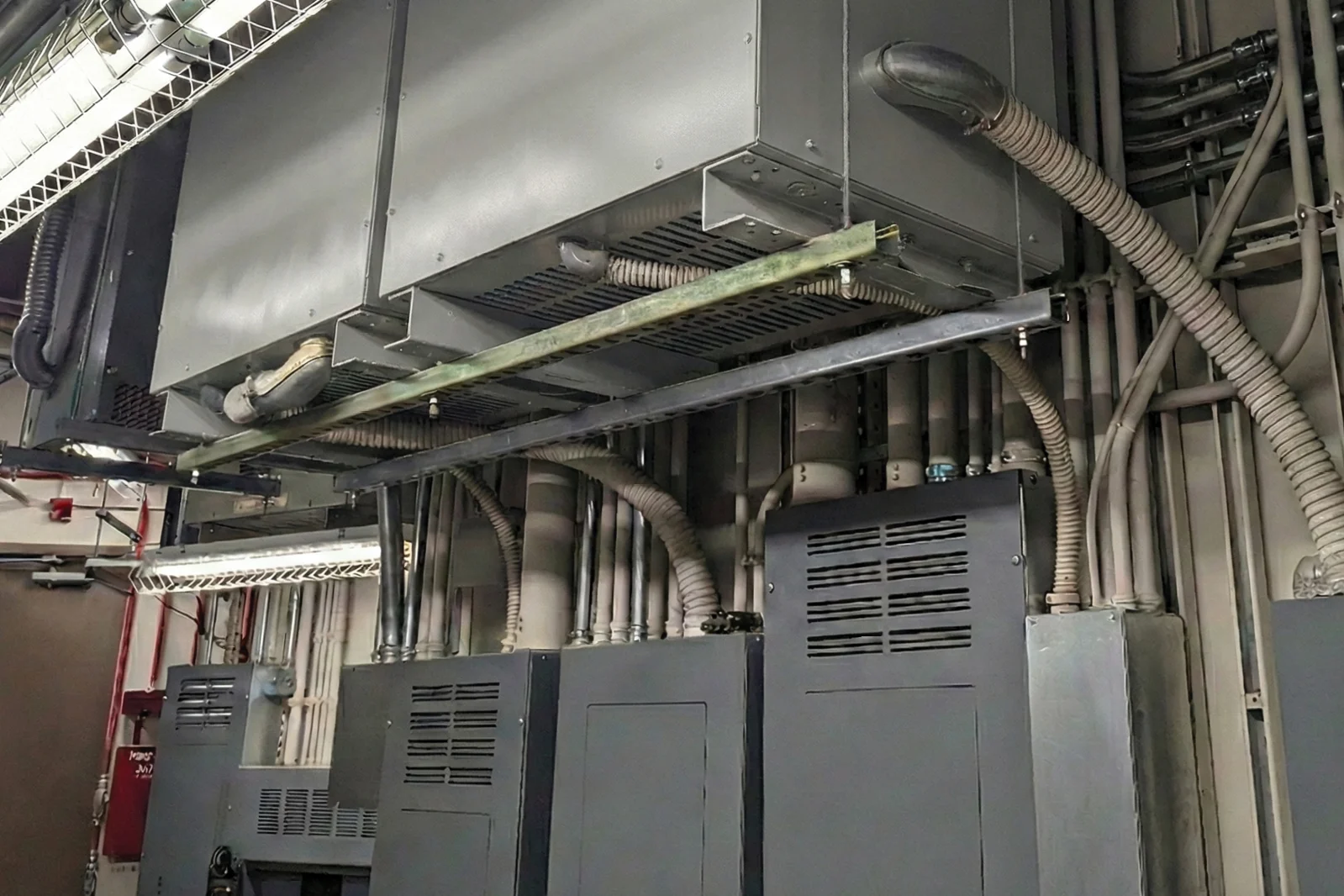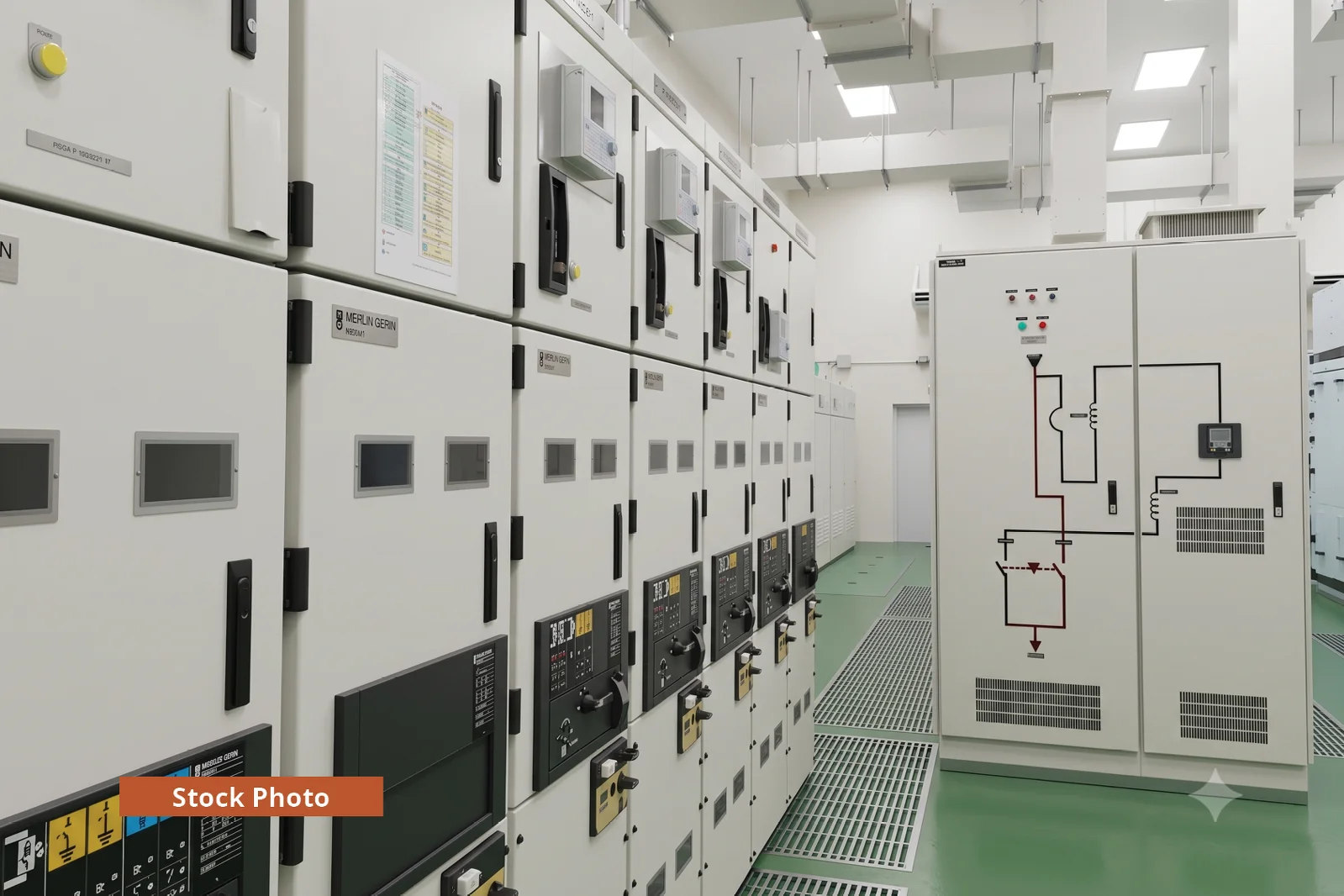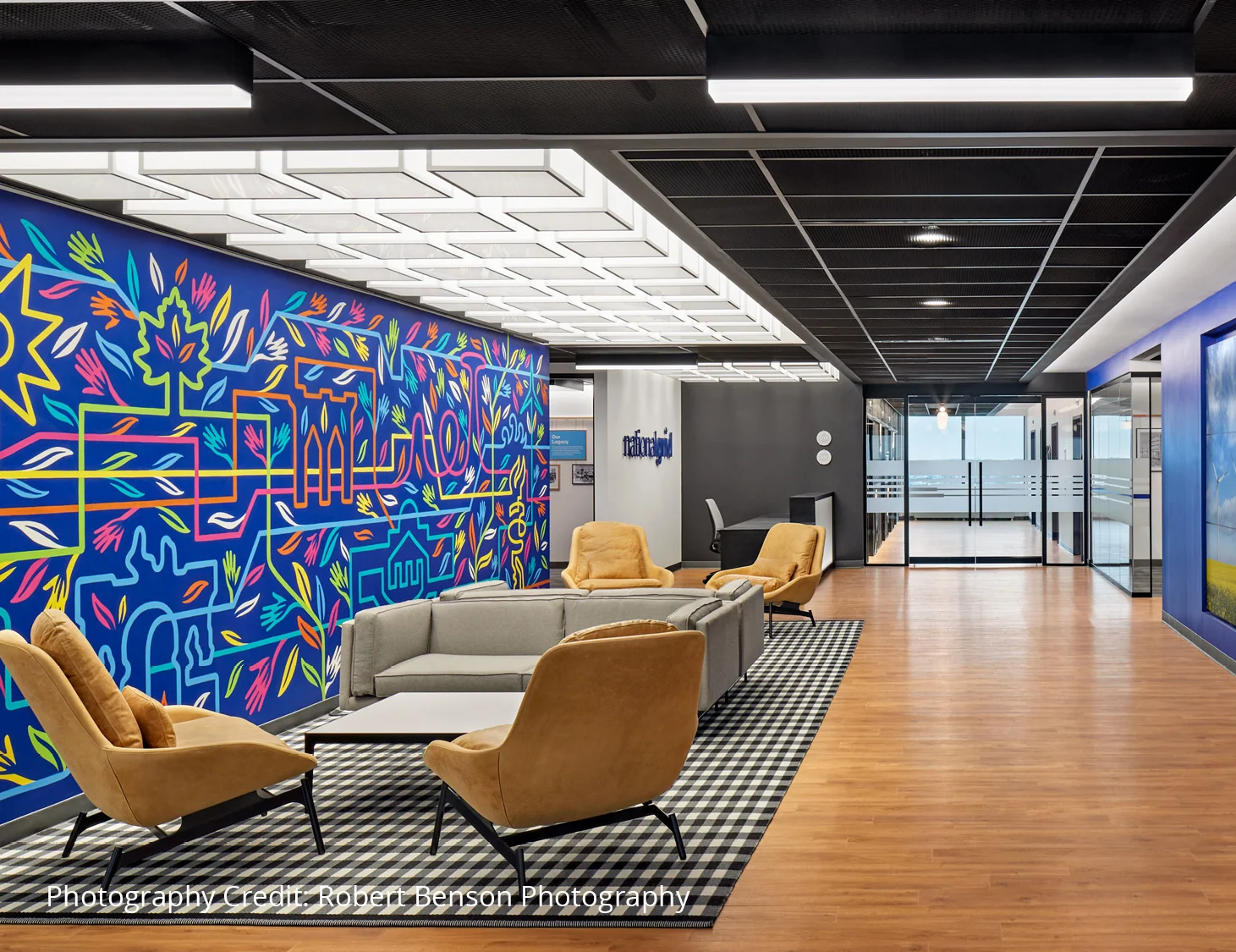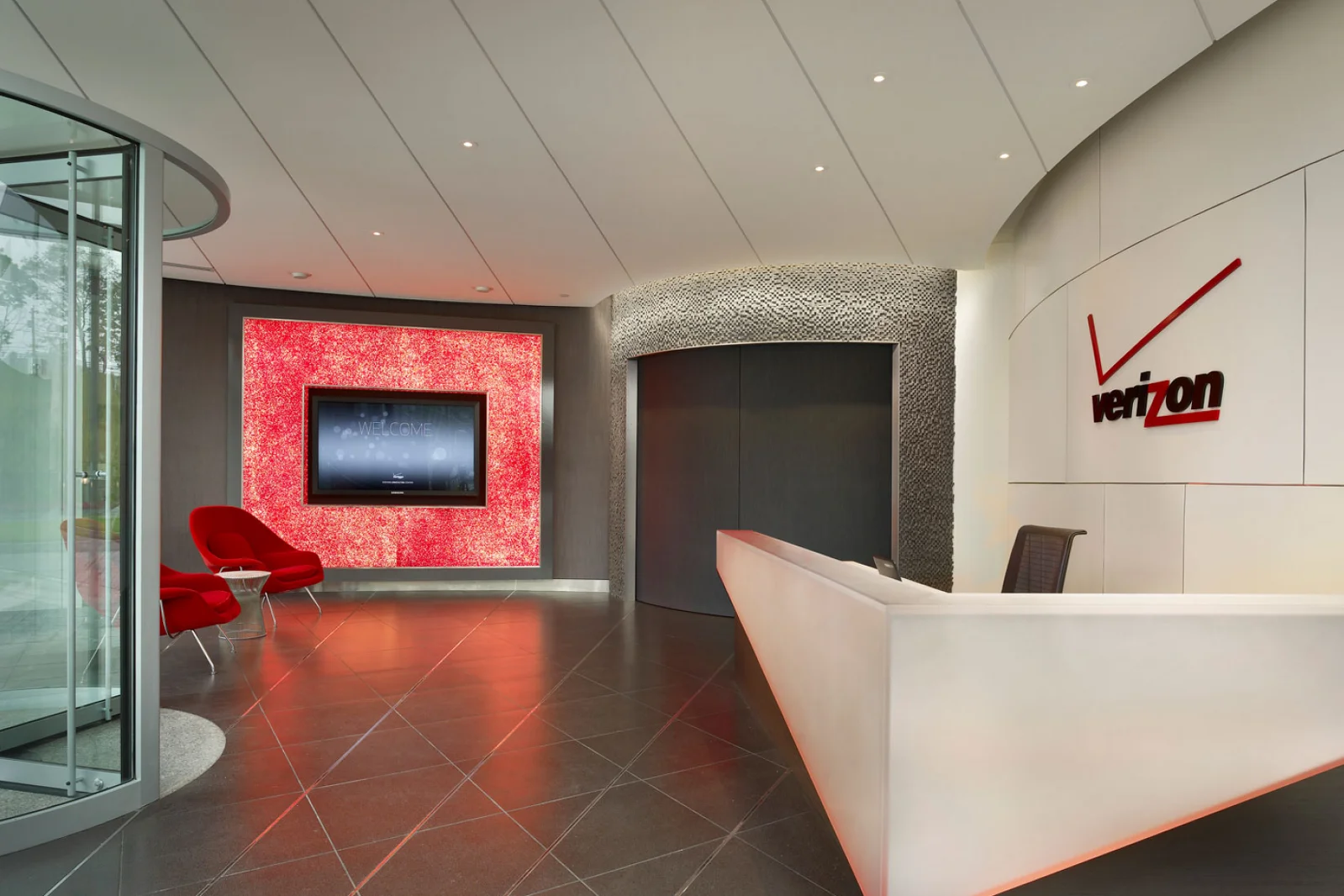
Our projects tell the stories of how we deliver a lasting impact for our clients.Explore some of our favorites
We plan, design, and deliver secure facilities that protect sensitive information and meet evolving compliance requirements like ICD 705. With experience supporting over 2.5 million sq. ft. of SCIF environments, we guide clients from early planning through accreditation, helping them make informed decisions that reduce risk.
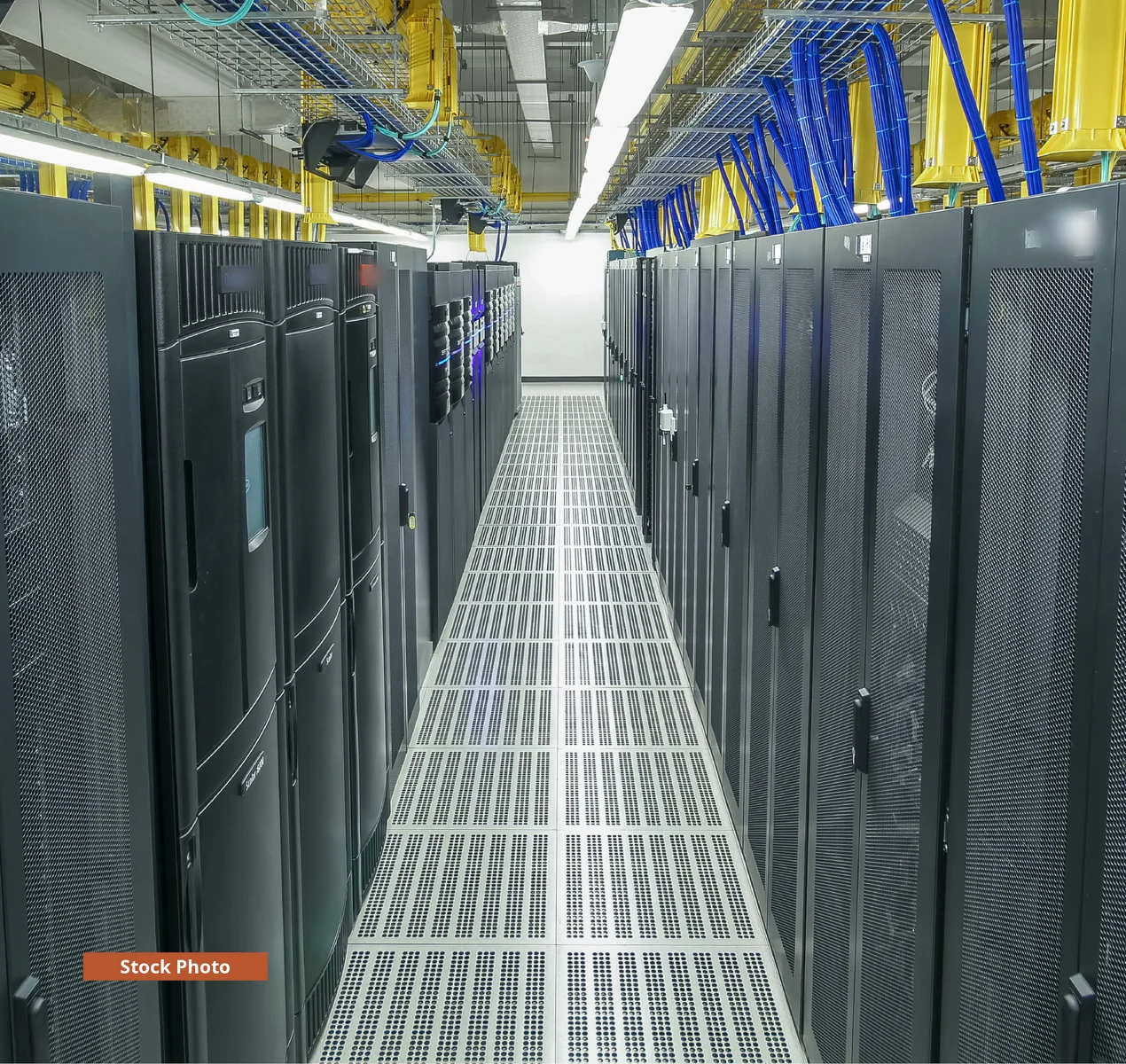
Secure facility owners often face the challenge of whether to retrofit an existing space or relocate to a new facility. Each option carries risks related to cost, schedule, accreditation, and operational disruption. We help clients evaluate both paths early through feasibility studies, site selection, and program development, considering factors such as facility age and condition, lease duration, infrastructure limitations, mission requirements, and proximity to supported agencies so they can make confident decisions aligned with long-term goals.
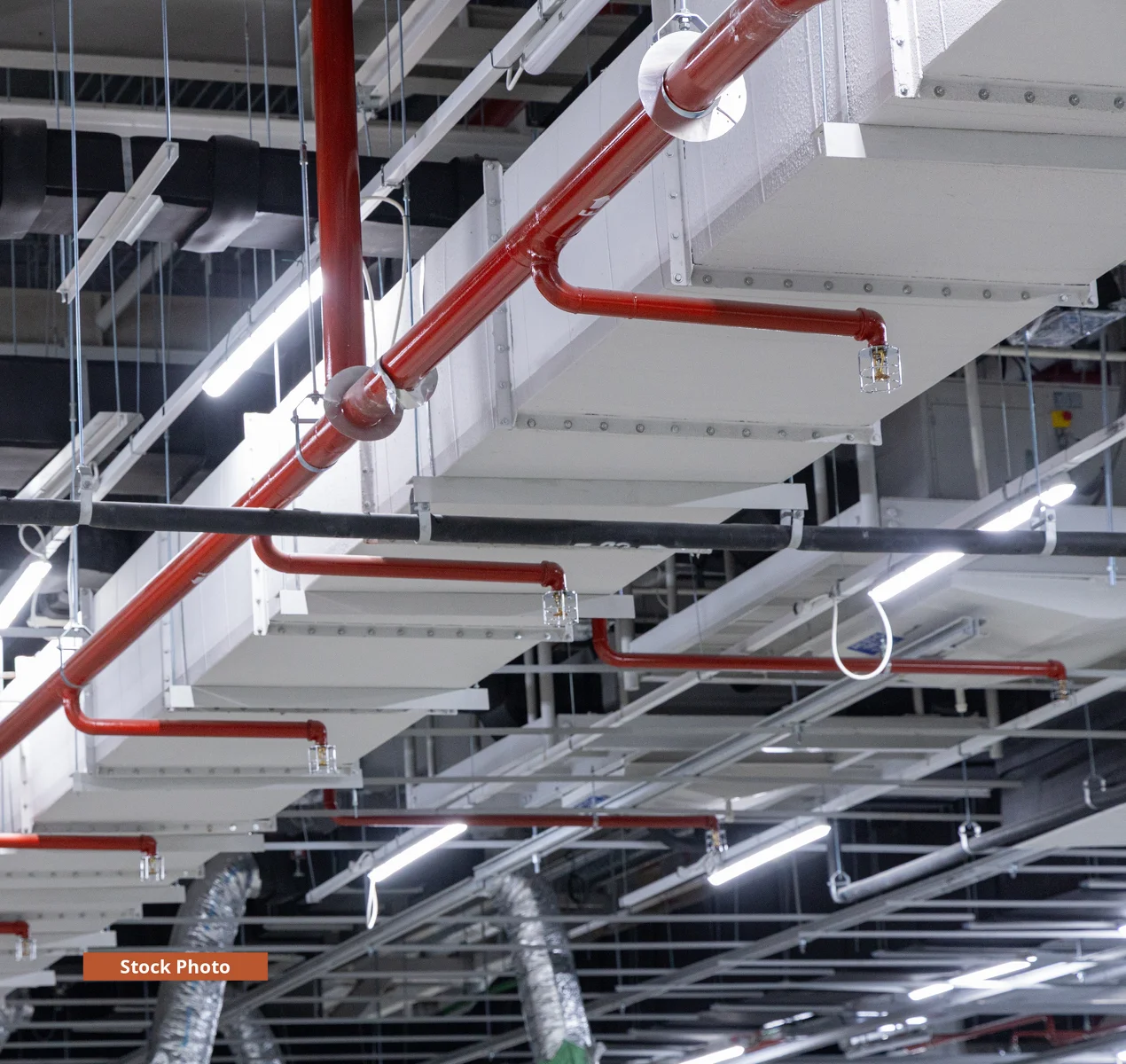
Secure facility design can be driven by requirements that are incomplete, classified, or subject to change, especially across agencies and evolving standards like ICD 705. Our team works closely with project stakeholders and certification authorities to define requirements before design begins and coordinate approvals to ensure compliance.

Without clear planning and coordination, secure facility projects can quickly exceed budgets or fall behind schedule due to long lead items, specialized systems, evolving security requirements, and complex approval processes. We support clients using structured planning, detailed cost modeling, and proactive procurement strategies to identify risks early and evaluate project alternatives to deliver projects on time and within budget.
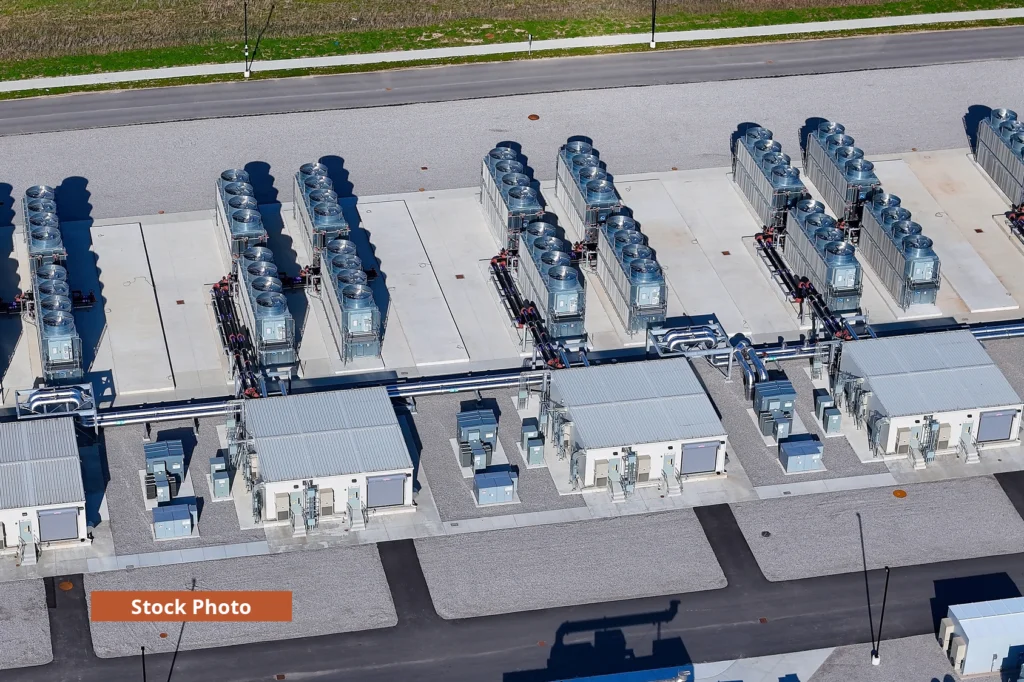

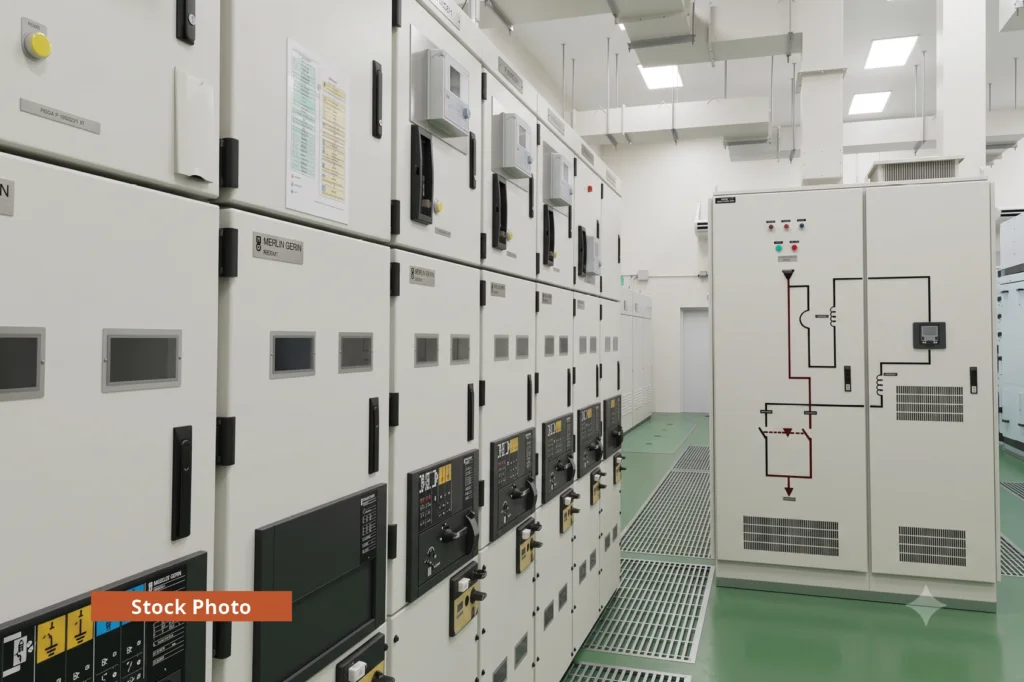
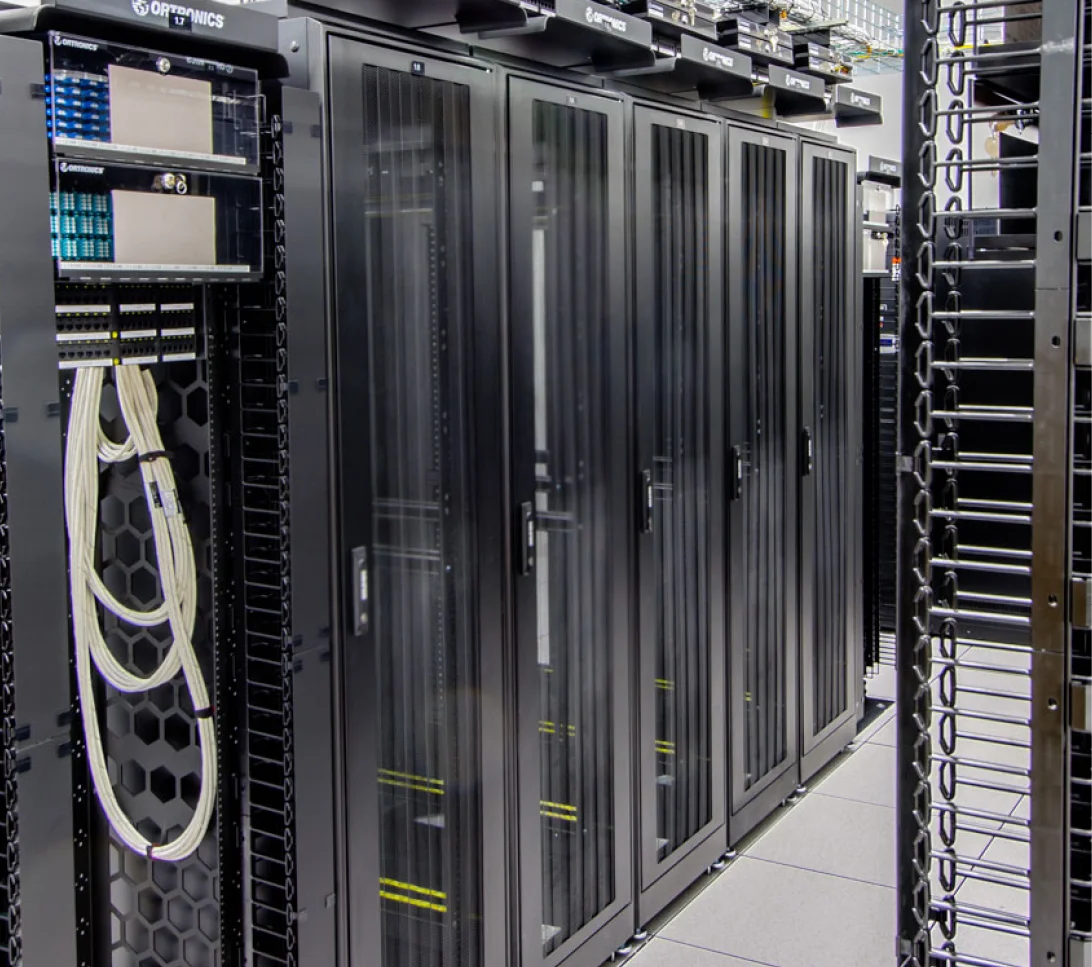
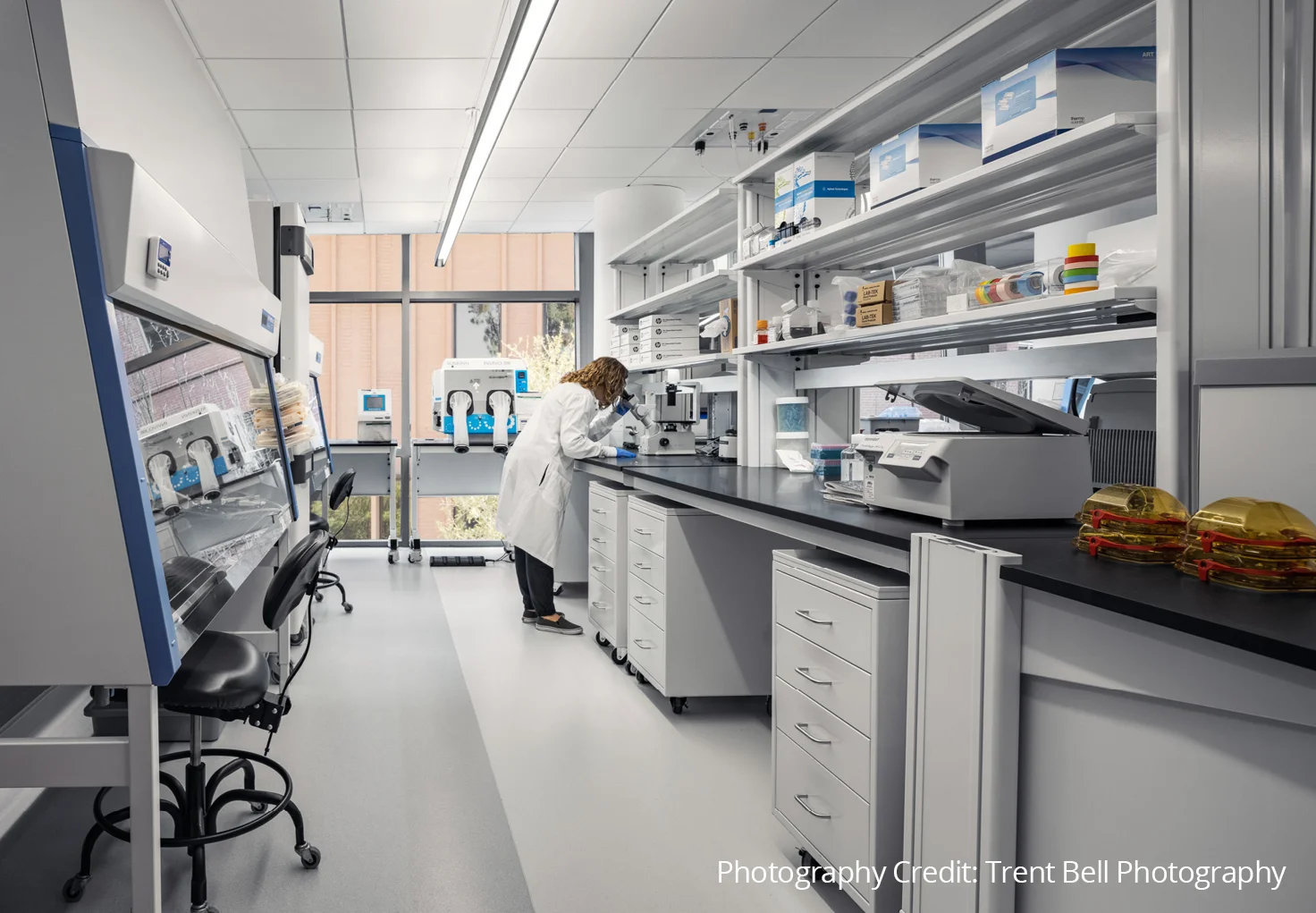
We design a wide range of SCIF environments, from small, compartmentalized office spaces to large-scale mission-critical facilities including NOC/SOC environments, R&D labs, data centers, training facilities, manufacturing facilities, cleanrooms, electronics labs, and collaborative workspaces. Our experience spans both new construction and renovations, providing flexibility for different operational needs.
Our secure facilities experience includes projects supporting major federal agencies and defense-related organizations, including environments aligned with CIA, FBI, DoD, NGA, AOC, NOAA, NAVFAC, NAVSEA, NRO, and NSA requirements.
We’ve delivered secure facility projects across the country, including key markets such as Texas, Arizona, California, Colorado, Missouri, Louisiana, Alabama, Florida, North Carolina, Virginia, Maryland, New York, New Jersey, Massachusetts, and Washington, DC. Our national presence allows us to support clients wherever secure environments are required.
There is no universal cost to build a SCIF. Project costs vary based on facility size and type, mission requirements, location, accreditation requirements, existing infrastructure, and whether the project involves renovation or new construction.
Modular SCIFs can be an effective solution for companies that need temporary or rapidly deployable secure environments. However, they are not always the fastest or most cost-effective option. Modular facilities still require site preparation, utility connections, security infrastructure, permitting, and accreditation, making it important to evaluate all project requirements before selecting a delivery approach.