Our projects tell the stories of how we deliver a lasting impact for our clients.Explore some of our favorites

Telecommunications providers are in the middle of a major infrastructure shift as legacy copper networks are decommissioned and new fiber networks are deployed. This transition is changing how real estate, power, cooling, and infrastructure are planned and managed. But what does that mean for telecom real estate and facility teams?
One of the clearest business impacts of fiber network transformation is the reduced physical footprint. Fewer network locations can translate into lower operating costs, fewer lease obligations, and new opportunities to monetize underutilized real estate.
For large telecom providers, this can support broader portfolio optimization strategies. For smaller carriers, the reduced infrastructure requirement can also lower barriers to market entry by decreasing the real estate investment needed to compete.
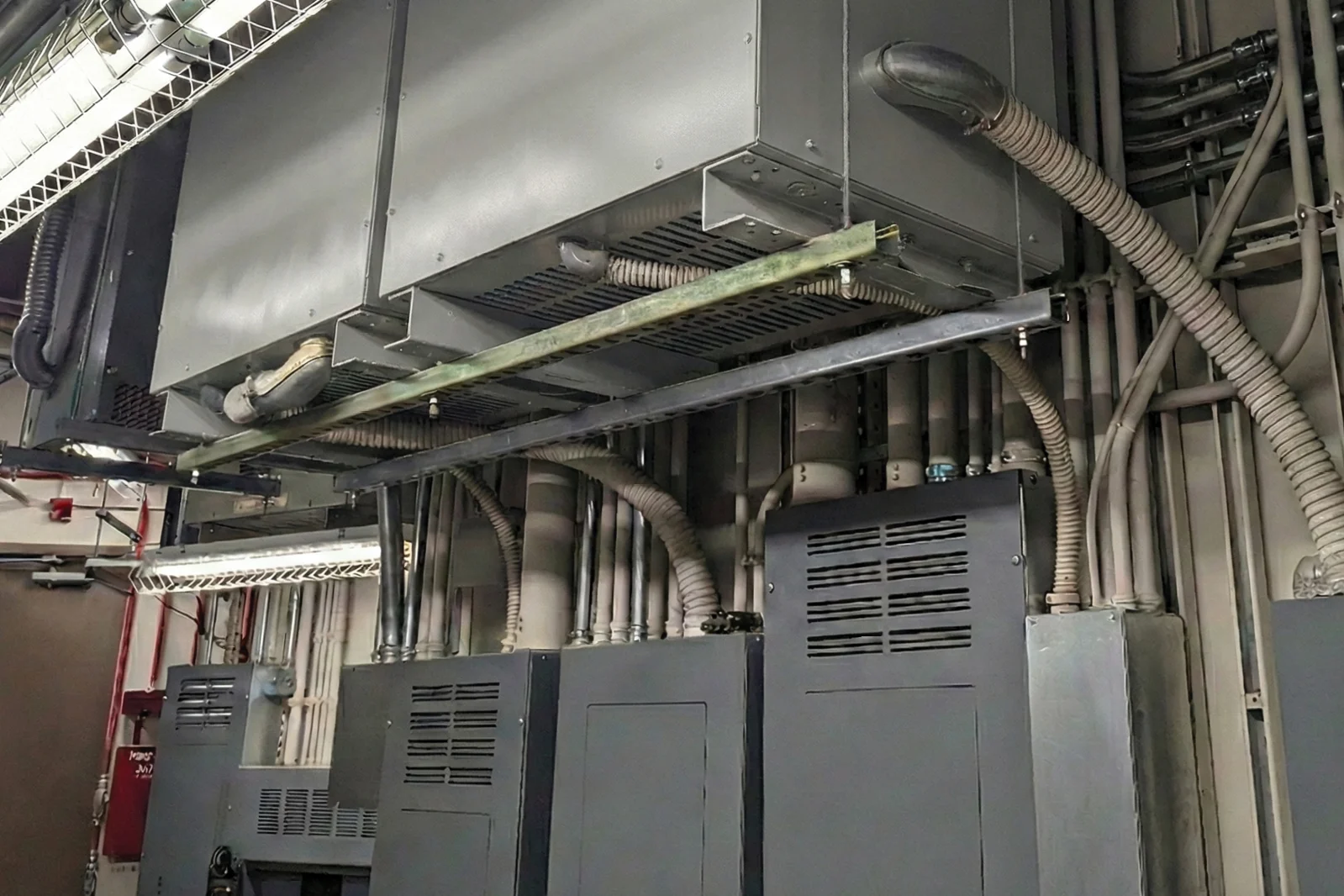
Inside existing telecom facilities, the transition from copper to fiber can also free up valuable capacity. Legacy copper equipment, switching systems, cable air dryers, and main distribution frame infrastructure may be reduced or removed as new fiber equipment is installed.
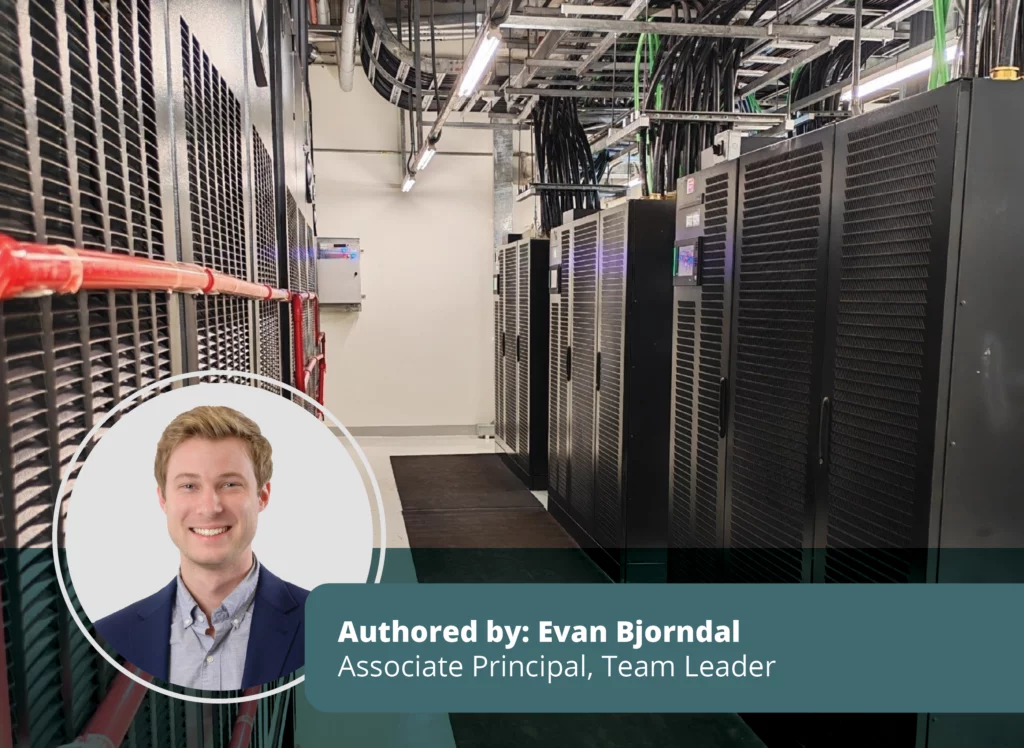
That creates opportunities to reclaim floor space, reduce cooling demand, and rebalance electrical loads. In some facilities, equipment that once occupied large rooms may be replaced by a small number of high-density relay racks.
Click here to view a specific example and see how the retirement of a legacy 5ESS switch room can free up more than 1,000 sq. ft. of space.
Although fiber transformation can reduce long-term facility loads, the transition period requires careful planning. Copper equipment and new fiber systems may operate at the same time before legacy systems are fully decommissioned. This overlap can temporarily increase power and cooling demand before loads eventually drop.
Curious about what happens inside telecom facilities during a copper-to-fiber transition? Watch our short video to learn how changing loads can impact power and cooling systems.
The copper-to-fiber transition is a real estate and infrastructure planning opportunity. If you’d like to further understand how fiber changes building requirements, power demand, cooling needs, and long-term portfolio strategy, please connect with me by emailing ebjorndal@wbengineering.com.