Our projects tell the stories of how we deliver a lasting impact for our clients.Explore some of our favorites
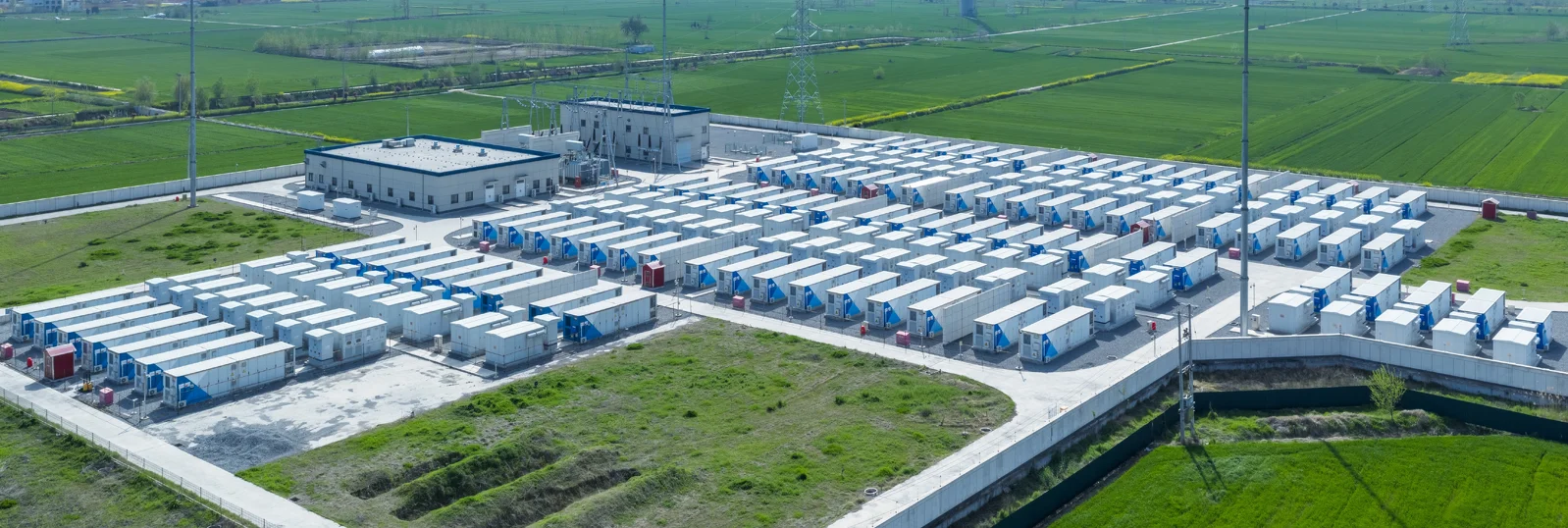
High power demand projects begin with qualifying site selection and feasibility. These projects require significant power demands at a scale that requires transmission-level power delivered to the site. As a result, electric utility service availability and timing become critical considerations.
In our experience, projects requiring more than approximately 50 megawatts may face a five- to seven-year wait for permanent utility power. The challenge is whether the utility can expand its power infrastructure fast enough to support the expedited project schedules typically exemplified by the hyperscale data center market. This article examines how power availability affects site viability and what developers/operators should consider in early planning to ensure best project outcomes.
When an energy-intensive project commences the planning stage, the developer or its representative must submit a request for power from the utility provider. This is often called the contract study phase, where the utility has a prescribed evaluation and technical study path that they must follow, regulated by the Federal Energy Regulatory Commission (FERC). They review the requested load and load ramp for the proposed site, which determines whether its existing infrastructure can support the large-load request. Typically, a statement in the form of a letter is issued to the developer outlining a high-level of scope of work and rough timeline that is needed to supply the power. After a developer agrees to the scope of work and timeline estimated in the statement, the utility performs additional technical studies to evaluate more exacting schedule and costs. In the past few years, it’s become difficult for utilities to complete the studies on schedule and provide the increased power levels requested by customers, as the number of applications has created years bottlenecks in the queue lines.
Utilities are receiving more large-load study requests from developers than ever. A single high-power demand project may need to request hundreds of megawatts, which quite often require new substations, transmission lines, and even additional generation capacity.
Load requests are often in the same region or geographic area, and trigger what is now known as “cluster studies,” creating a high degree of uncertainty in the utility study process. While a lot of these proposed projects are well-developed, others are more speculative and not likely to move forward. To be effective, the study process requires utilities to identify which requests are most likely to move forward before committing significant time and resources in technical studies and power flow models. For developers, this results in missed response times from the utility and extended periods of ”wait and see.” As a result, studies have become more common and costly to the developer.
A high-energy demand project can only move forward as planned with reliable power. Developers can spend hundreds of thousands of dollars on utility studies before knowing whether they will be able to contract enough capacity for their needs. This uncertainty creates a difficult cycle. Utilities may hesitate to invest the time without a committed load customer, while customers may not commit without a credible power plan. Securing a well-managed working relationship with the utility(s) upfront can most often create a clear path to power and add value to the site.
When permanent utility service does not align with the project schedule, developers may need to consider a temporary or bridge solution.
One option is interruptible utility service. Under this type of agreement, the utility provides power but can limit service during periods of grid stress. The facility must then reduce its load, temporarily shut down, or transition to its own generation (in June 2026, FERC approved the Southwest Power Pool to provide a program for customers to have interruptible electric power service). Other options include on-site gas generation, fuel cells, and phased utility services. For a guide on choosing the right balance of on-site power solutions, click here.
Developers that begin utility coordination early and confirm realistic timelines are positioned to manage delays and reduce risk throughout the development process. To discuss how your facility can evaluate utility power options and energy infrastructure solutions, email me at psposato@wbengineering.com.