Our projects tell the stories of how we deliver a lasting impact for our clients.Explore some of our favorites
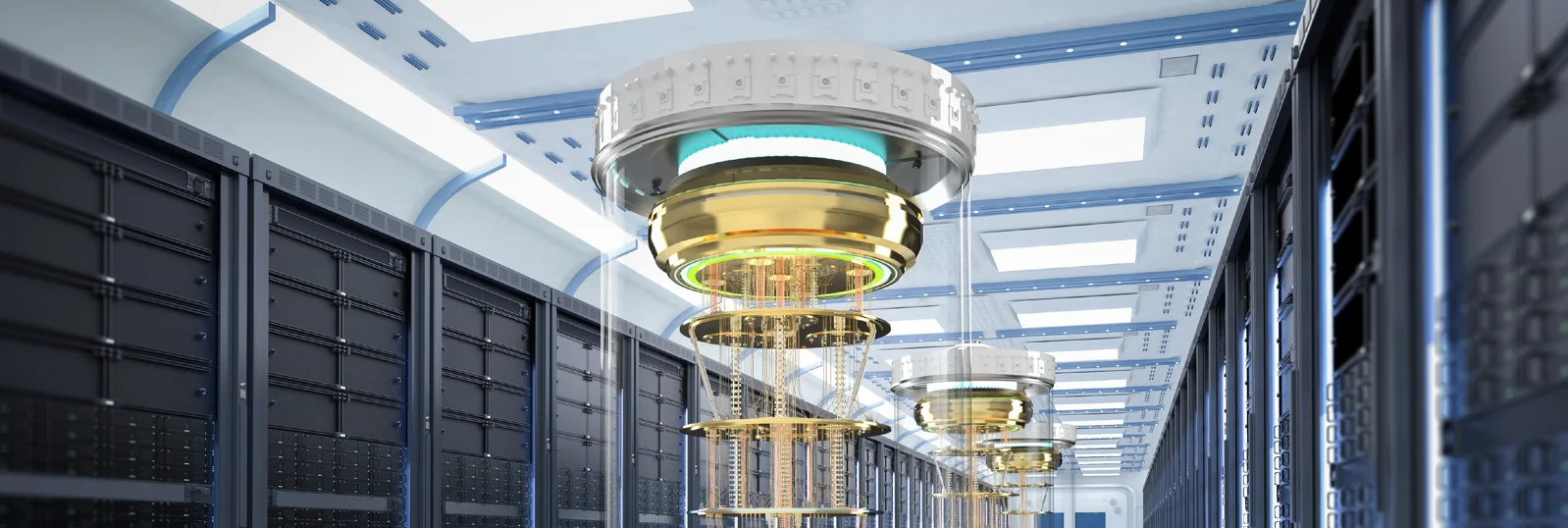
As quantum computing technology continues to advance quantum computing technology, companies need specialized research facilities to develop and test that equipment. Building facilities for quantum technology presents challenges, especially when companies are working to meet tight project deadlines. Through our experience working on more than 20 quantum computing projects, including work for companies like IonQ and Elevate Quantum, we’ve seen a common trend: companies are choosing to retrofit existing office buildings rather than lease expensive, lab-ready spaces to reduce upfront costs.
While retrofitting existing office spaces is cost effective, converting them into a quantum research and development (R&D) lab requires significant infrastructure improvements. Evaluating these requirements during building selection helps owners identify suitable properties, avoid costly upgrades, and begin operations sooner.
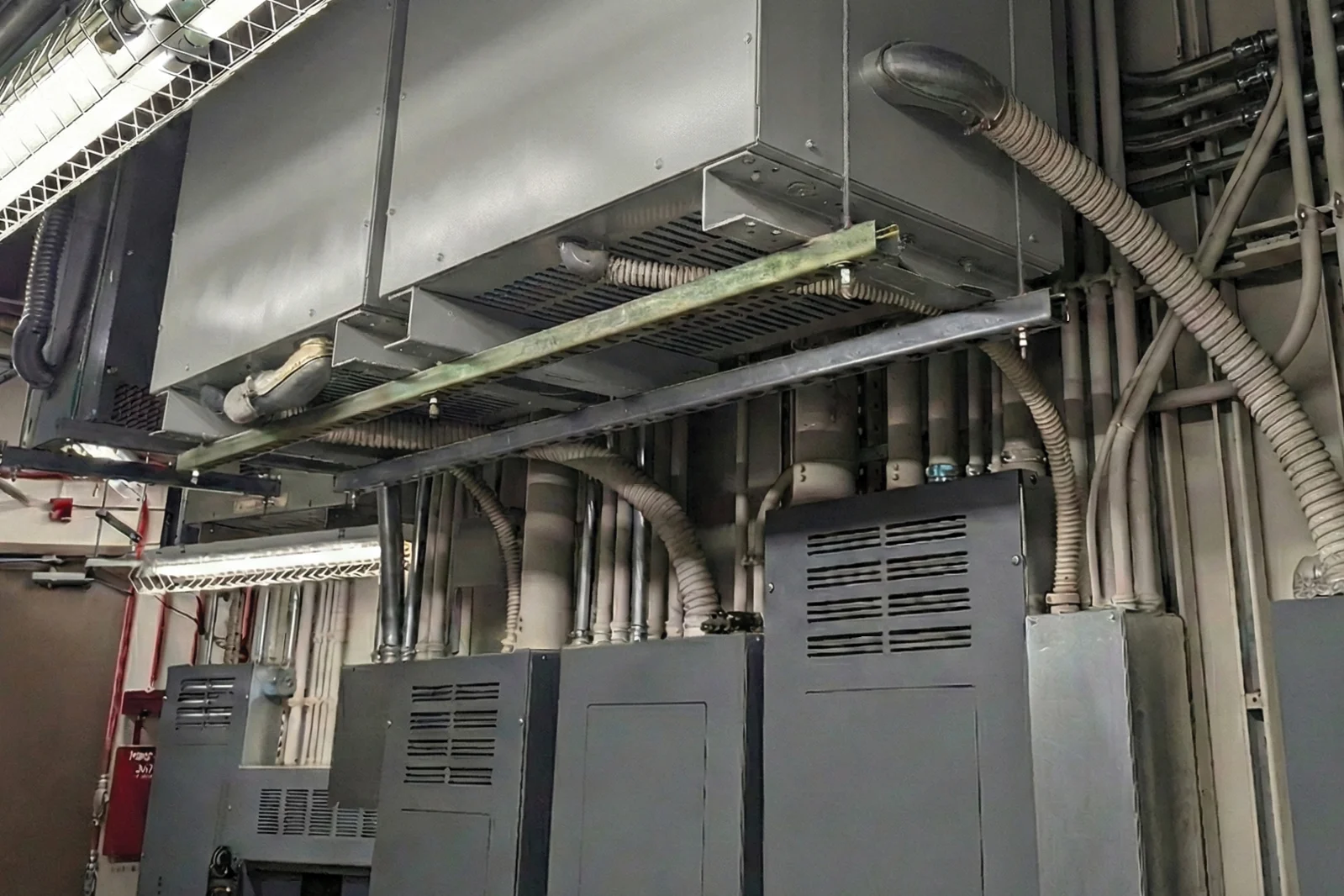
The biggest challenge when retrofitting an existing building for quantum computers is electrical capacity. Quantum computing facilities require substantial power to support specialized laboratory equipment, often exceeding 50 watts per square foot. This demand surpasses the electrical requirements of most office spaces, which generally lack the infrastructure to support these specialized operations.
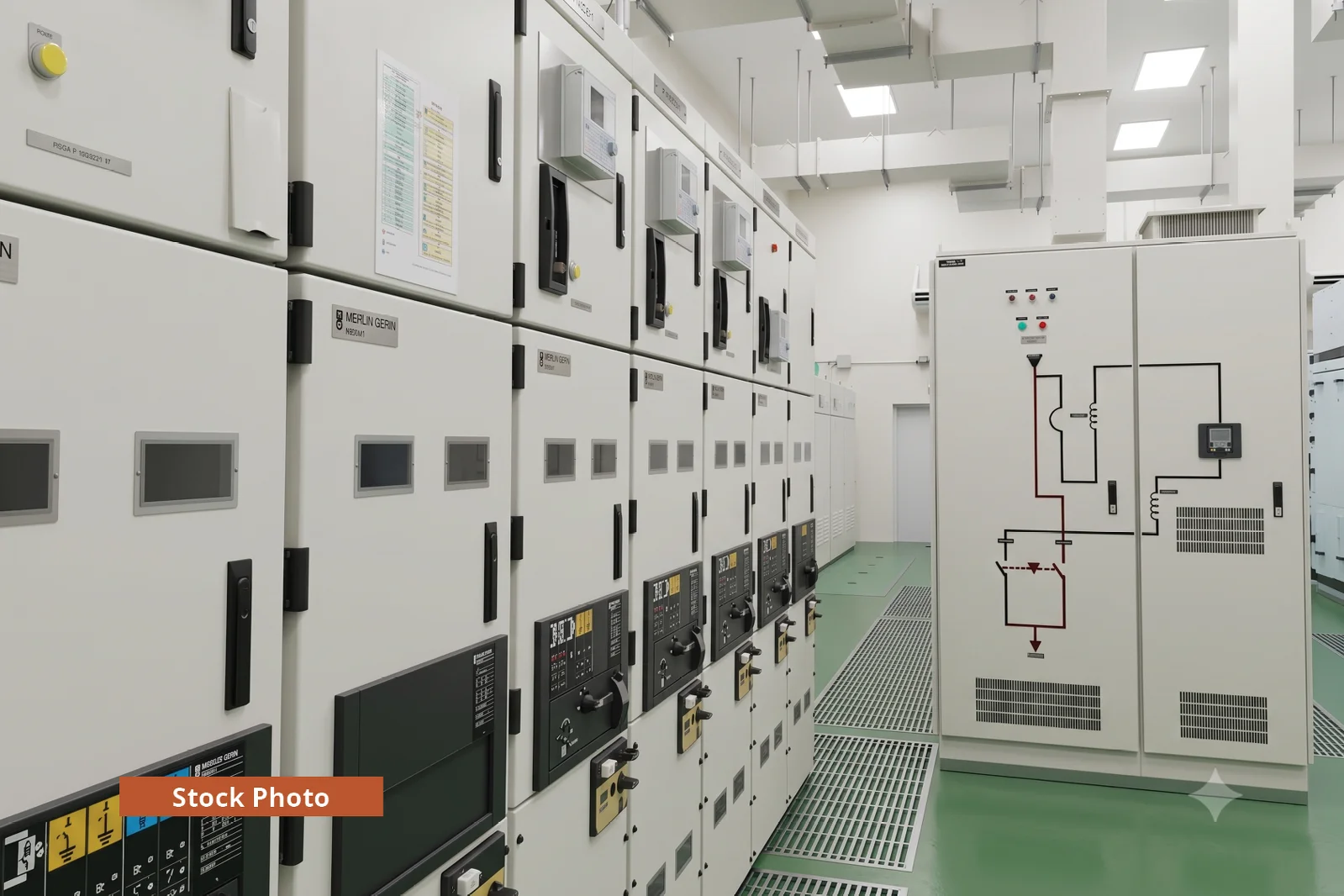
Therefore, retrofitting an office building into a quantum lab usually requires upgrades to the building’s electrical service, switchgear, backup diesel, and central UPS. These improvements are a significant investment and introduce lengthy equipment upgrade timelines.
Existing buildings vary considerably in their available electrical capacity. Some properties have previously accommodated laboratory tenants or undergone electrical upgrades, leaving them with infrastructure better suited to quantum computing.
An early due diligence study helps owners identify these opportunities before committing to a lease. To see a full breakdown, watch our video on quantum computing schedule risks.
Other than electrical capacity, quantum computing facilities can have highly specialized mechanical and structural requirements. Some quantum labs with cryogenic systems may also require liquid helium to support compressor operation, adding another infrastructure consideration during facility planning. Existing office buildings usually lack the mechanical infrastructure necessary to support quantum computing research, requiring new equipment to meet laboratory cooling and operational demands.
Installing new mechanical equipment also introduces structural problems. Large rooftop units add substantial weight, and existing roofs may require reinforcement. Involving structural engineers early will help project teams identify these limitations and plan necessary modifications before construction.
Vibration presents another challenge. Sensitive quantum computing equipment requires stable operating conditions, and vibrations from nearby railroads, airports, and other sources interfere with laboratory experiments. While specialized optical tables help isolate equipment, some facilities require additional measures, such as isolated concrete slabs. Evaluating vibration sources during site selection helps owners avoid mitigation measures.
With speed to market driving quantum computing projects, identifying infrastructure limitations early can be a major factor in the success of an R&D lab conversion project. A due diligence study typically takes two to three weeks and helps owners avoid the longer delays associated with electrical upgrades and building modifications that weren’t identified during the project’s inception.
Early equipment procurement also reduces scheduling risks. By developing procurement packages at the beginning of design, project teams order long-lead mechanical and electrical equipment before moving into construction and avoid delivery delays. This also gives structural engineers the information they need to evaluate equipment loads and plan necessary reinforcements.
Lastly, establishing a clear project program and budget is important. Identifying essential quantum R&D facility requirements early and reviewing costs throughout design helps owners prioritize investments and maintain project schedules.
Retrofitting existing buildings offers quantum computing companies a cost-effective alternative to laboratory-ready spaces, but infrastructure upgrades introduce additional costs and scheduling challenges. Evaluating these infrastructure, cost, and scheduling requirements at the beginning of a project helps owners avoid delays and unforeseen project costs while bringing their facilities online faster.
To discuss how you can evaluate existing facilities and plan infrastructure upgrades for quantum computing, email me at pmeade@wbengineering.com.