Our projects tell the stories of how we deliver a lasting impact for our clients.Explore some of our favorites
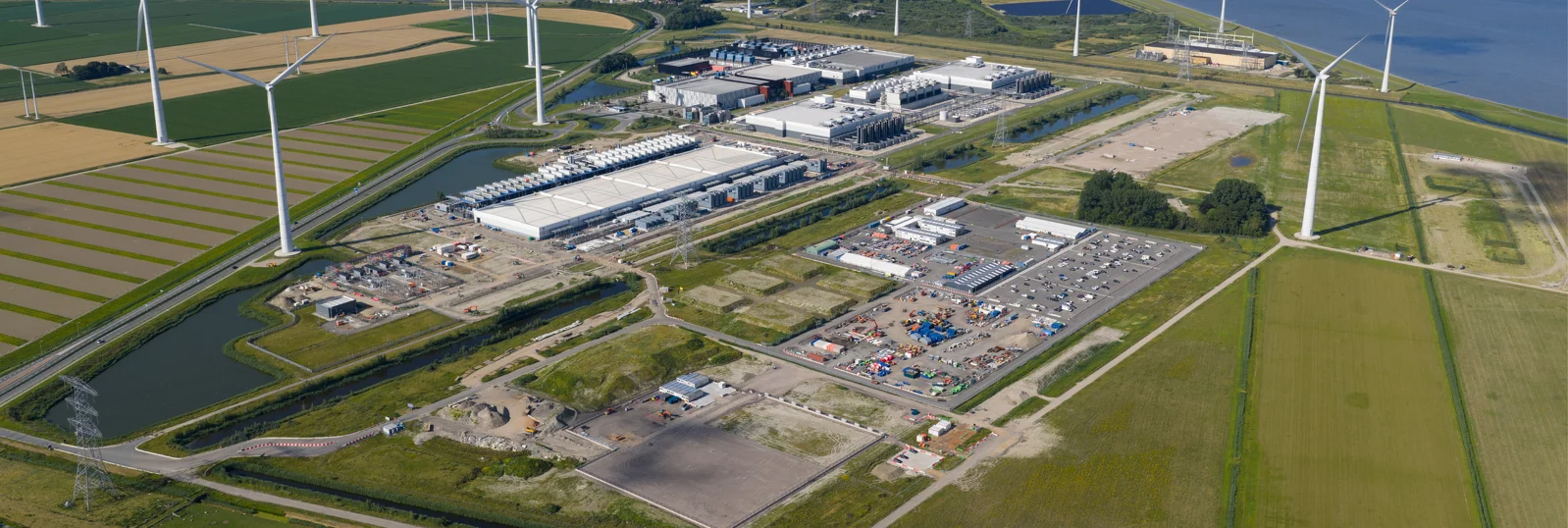
Data centers used to operate out of public view, essential but invisible. With growing demand for digital infrastructure, data centers are now becoming a more visible part of the communities in which they are being built. As this visibility increases, so does the need for a more thoughtful approach to development, one that prioritizes transparency and long-term community integration.
On the 7×24 Carolinas Chapter panel “Building Partnerships – Data Centers and the Communities in Which They Operate”, industry leaders discussed how this shift is changing the way projects are planned and delivered. What was once a largely technical and behind-the-scenes process now requires increased public conversation, shaped by community input and expectations.
As their presence grows, so does community awareness and skepticism. In many areas, residents are raising valid concerns about the impact of data centers on their communities. Questions about rising electrical costs, noise, and water consumption are becoming more common, and in some cases, are influencing how and where projects move forward.
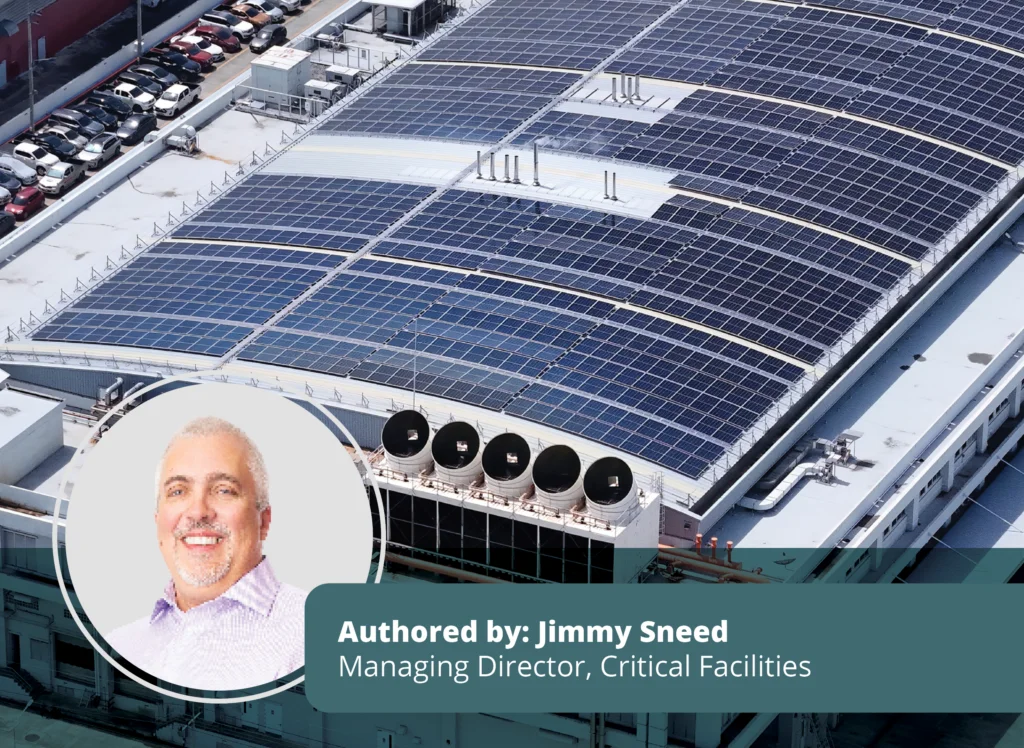
These concerns are important and need to be addressed more publicly. While data centers do require significant energy, they are often accompanied by major investments in energy infrastructure, including renewable sources such as solar and wind. These investments can expand grid capacity and help offset initial cost pressures while supporting broader community needs.
Data center development also creates meaningful opportunities at the local level. These facilities improve internet access and drive infrastructure upgrades such as roads and utilities. In some cases, data centers contribute excess heat to district energy systems and hospitals (Can Reusing Data Center Heat Become a Competitive Advantage?). They also bring economic benefits, including job creation and potential tax advantages.
These economic benefits alone are not enough to alleviate community concern. Development must be paired with transparency, not yellow tape. Beyond open communication and early engagement, representation for residents is also essential in building trust and ensuring data centers can integrate into the towns they operate in.
As this conversation continues to evolve, we’re here as a resource. Feel free to reach out at rjensen@wbengineering.com or 929.423.7188