Our projects tell the stories of how we deliver a lasting impact for our clients.Explore some of our favorites
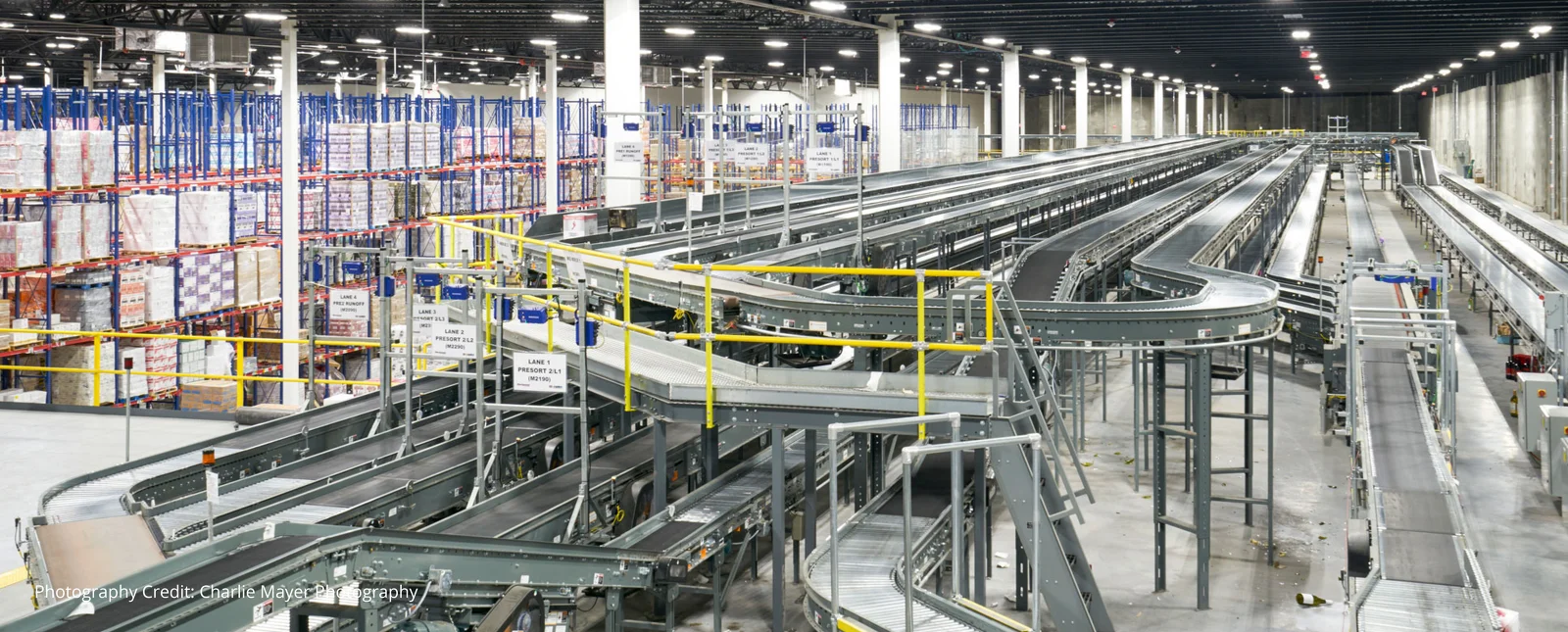
With over 11 million sq. ft. of design delivered across manufacturing plants, processing facilities, and specialized production environments, we understand that industrial operations depend on accurate designs, efficiency, and uptime. We work with systems that power 24/7 production and reduce operational risk, while helping our clients meet demanding production goals and safety requirements.
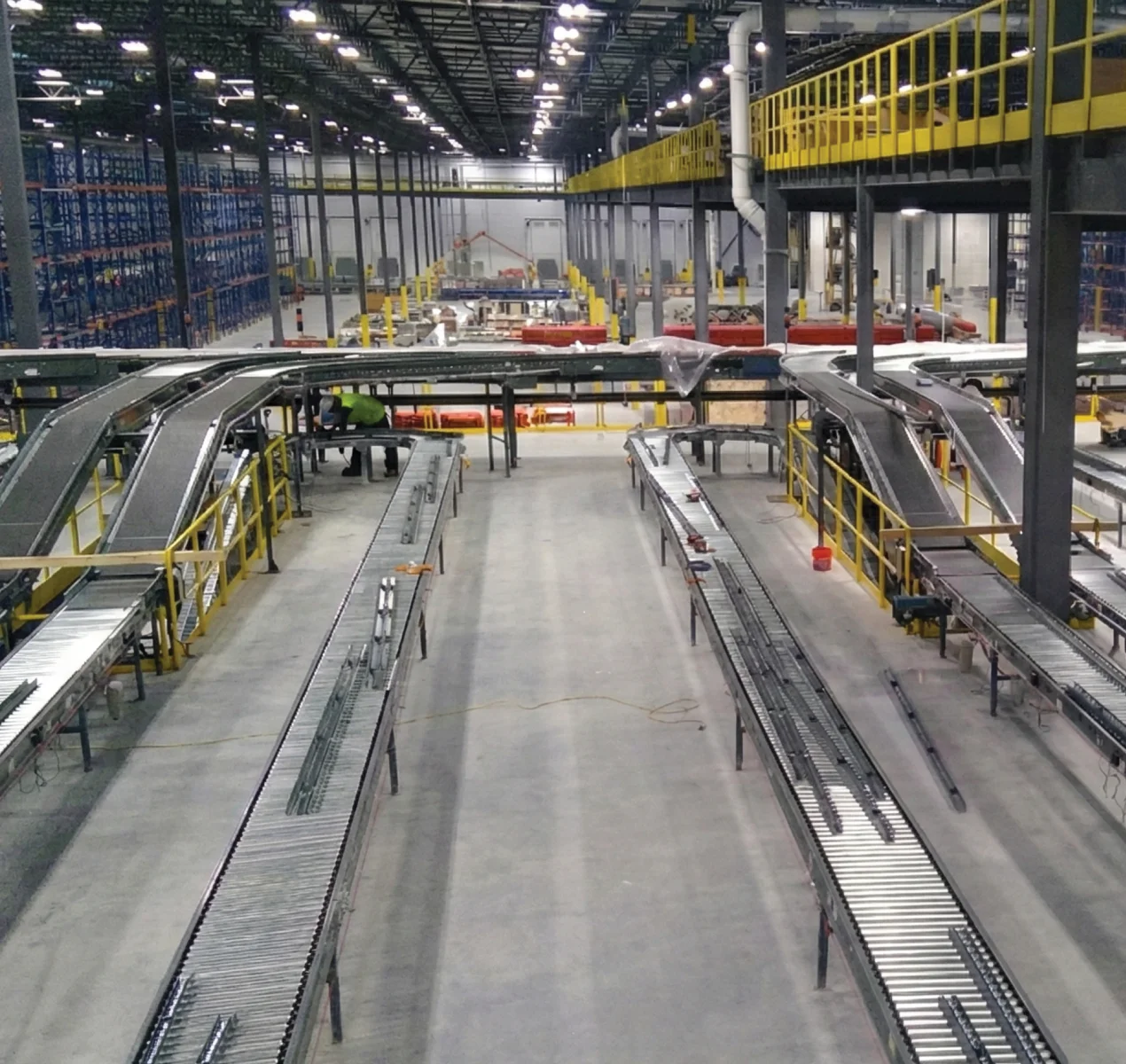
Downtime in industrial facilities can cost thousands - or millions - per hour. That’s why we phase and plan our designs around production and installation schedules. Our team coordinates closely with plant teams to keep operations running while work is underway, delivering creative design solutions that minimize (or even eliminate) costly shutdowns.
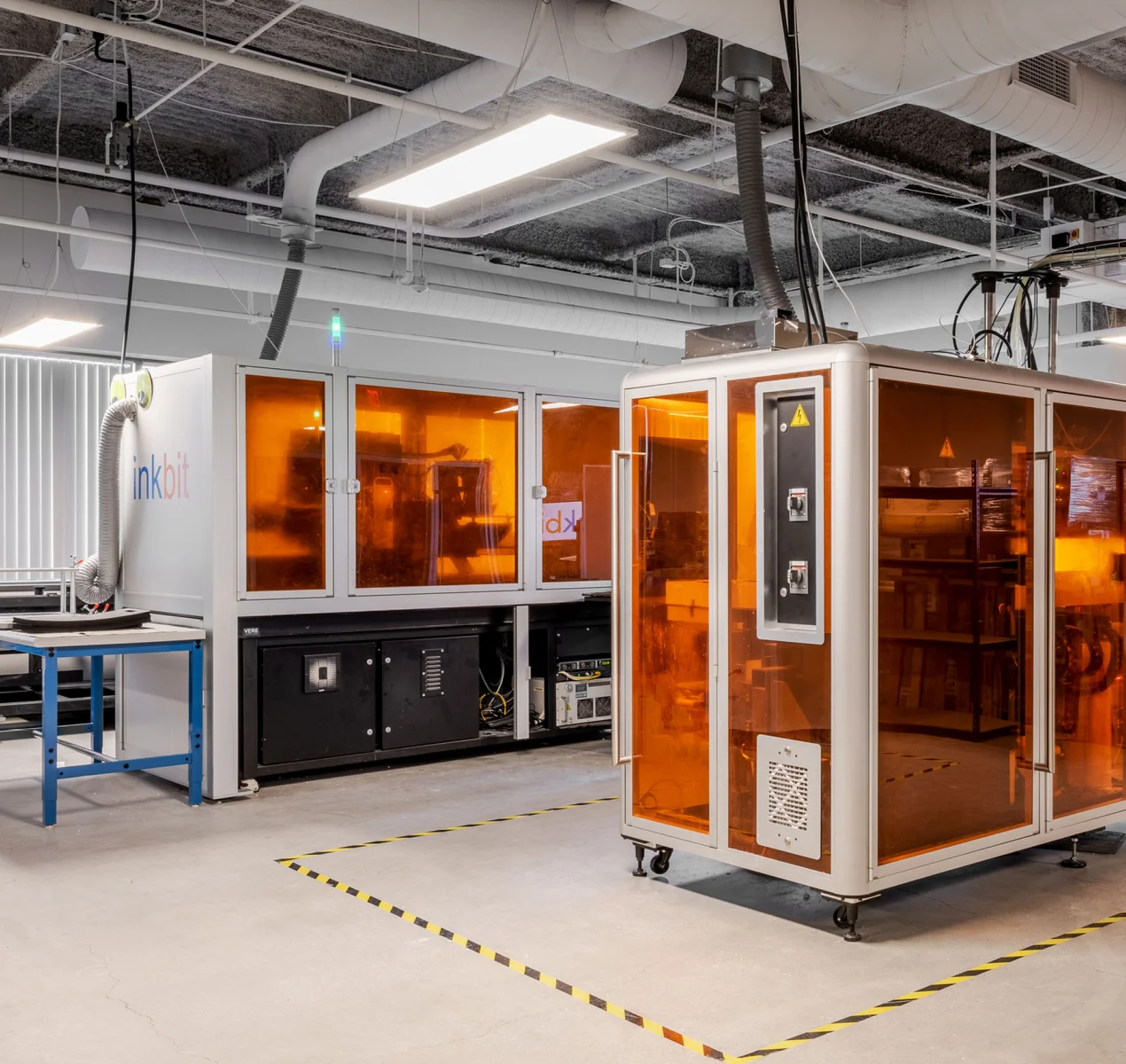
From combustible dust to high-voltage systems, industrial facilities come with unique risks. We design for compliance and safety from the start, integrating HVAC systems that meet OSHA and industry-specific standards.
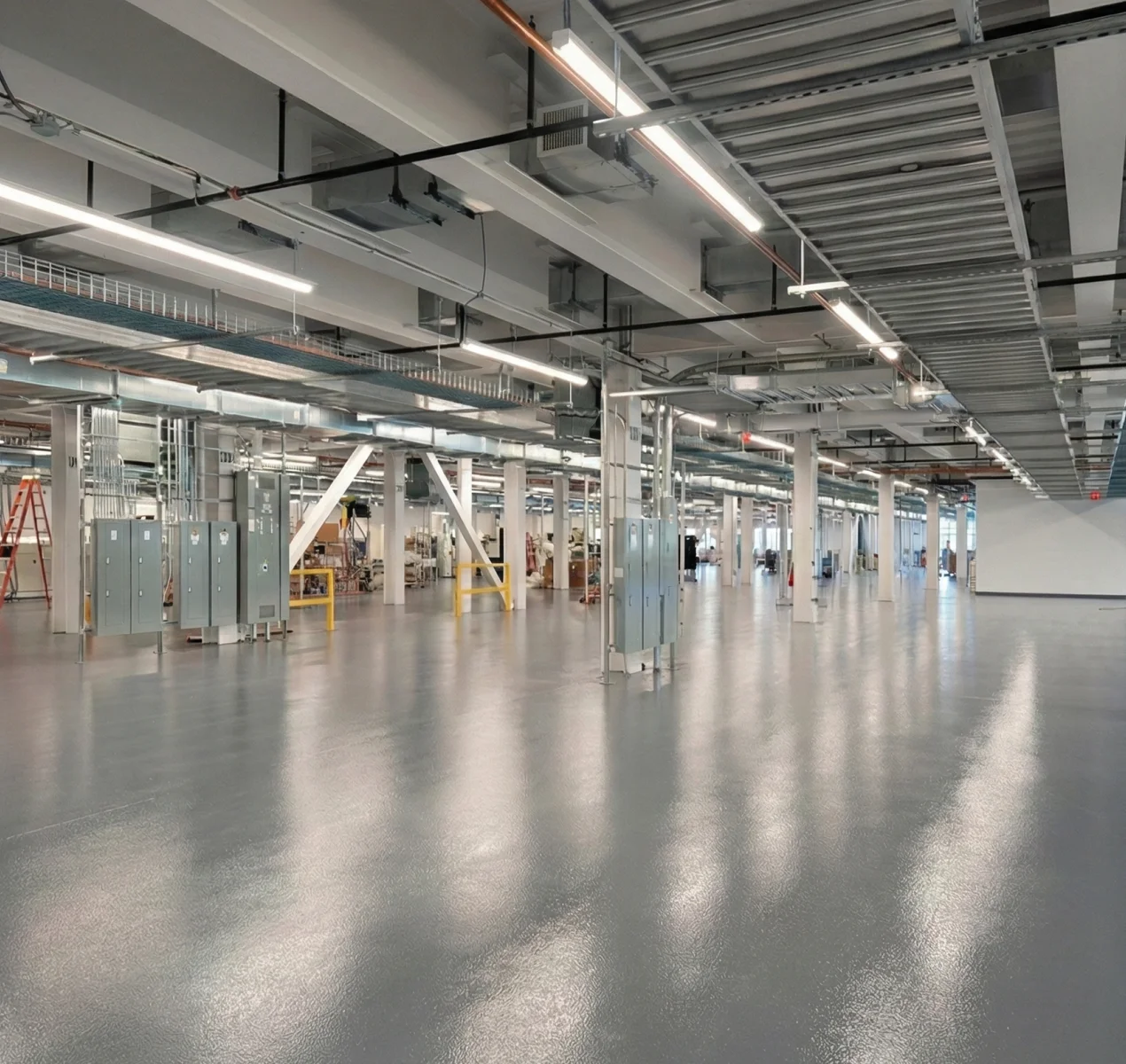
Markets shift and production needs evolve. We create scalable systems that accommodate new equipment, expanded floor space, and advancing technology.
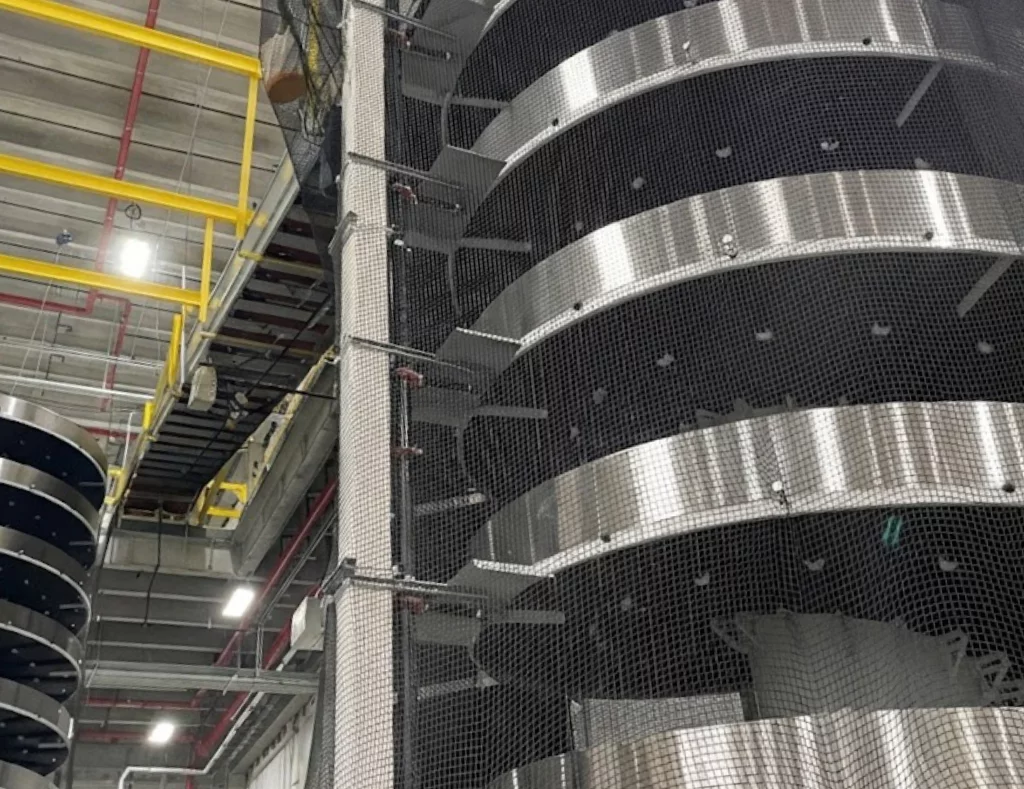
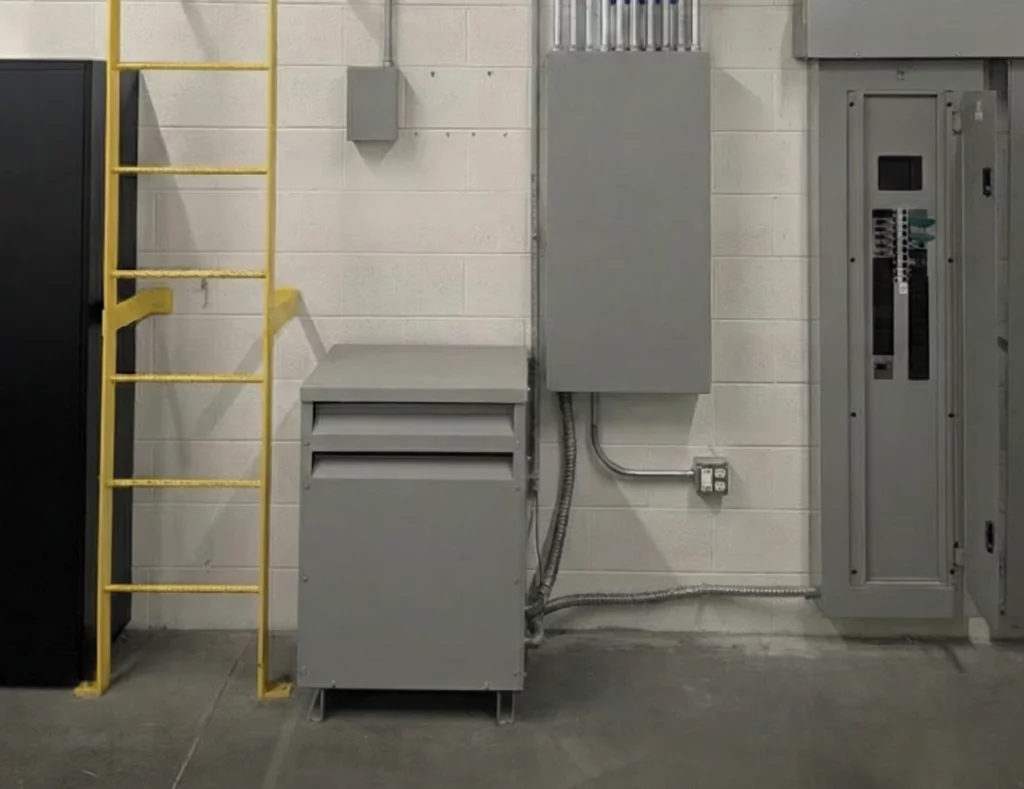
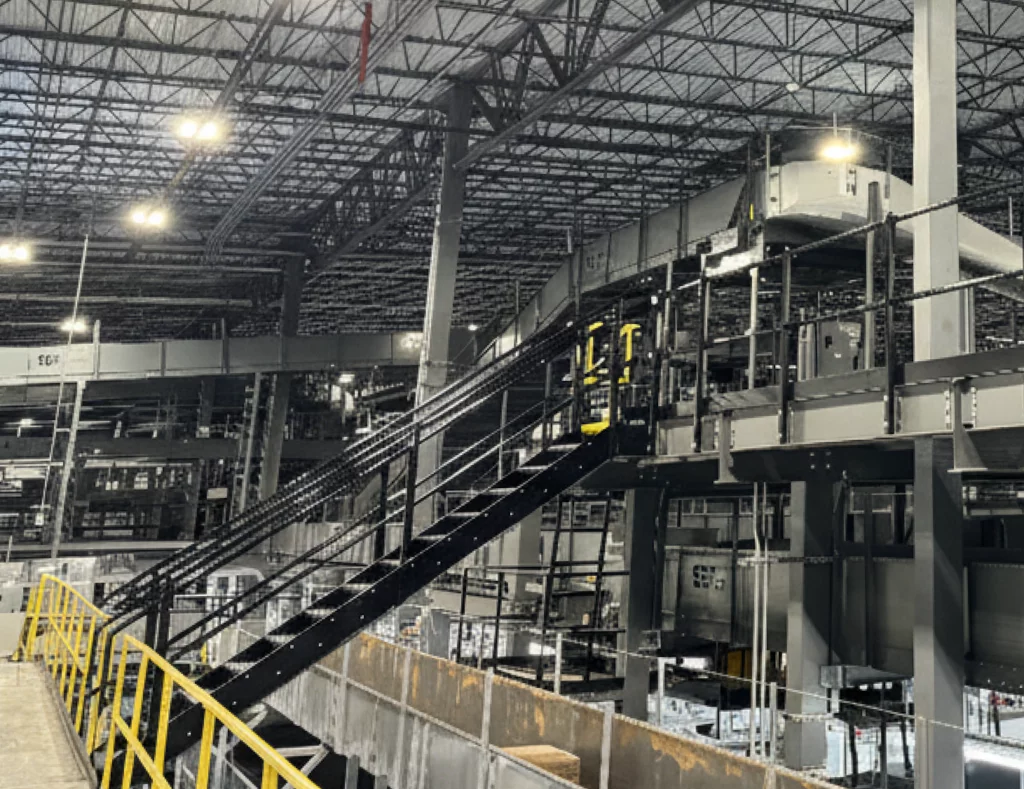
Industrial facilities require MEP systems capable of supporting high-load processes, specialized equipment, and continuous operations. Designs must prioritize safety, reliability, and compliance with industry-specific standards, while integrating complex utility and process systems unique to each site.
Preventative maintenance identifies wear, damage, and inefficiencies before they cause costly downtime. Regular maintenance, inspections, and testing extends equipment life and reduces repair costs to keep production running without interruption.
Upgrading to high-efficiency motors, lighting, HVAC systems, and process equipment – paired with advanced controls – can significantly cut energy use while maintaining output. Energy recovery systems and smart monitoring tools track performance in real time and adjust usage for optimal efficiency.
Mechanical failures, electrical outages, process control errors, and safety incidents are leading causes of unplanned downtime.
Key trends include greater use of automation and smart controls to improve efficiency, reduce human error, and enable predictive maintenance.