Our projects tell the stories of how we deliver a lasting impact for our clients.Explore some of our favorites
Instead of relying only on physical experiments, scientists can now simulate chemical reactions, biological processes, and material behaviors digitally before stepping into the lab. This shift changes what research facilities must support. As modeling tools become more powerful, the infrastructure behind them, including power distribution, cooling capacity, and space planning, must evolve alongside the science.
For facilities leaders, the challenge is less about predicting exactly how technology will develop and more about ensuring their buildings can adapt as research methods change.
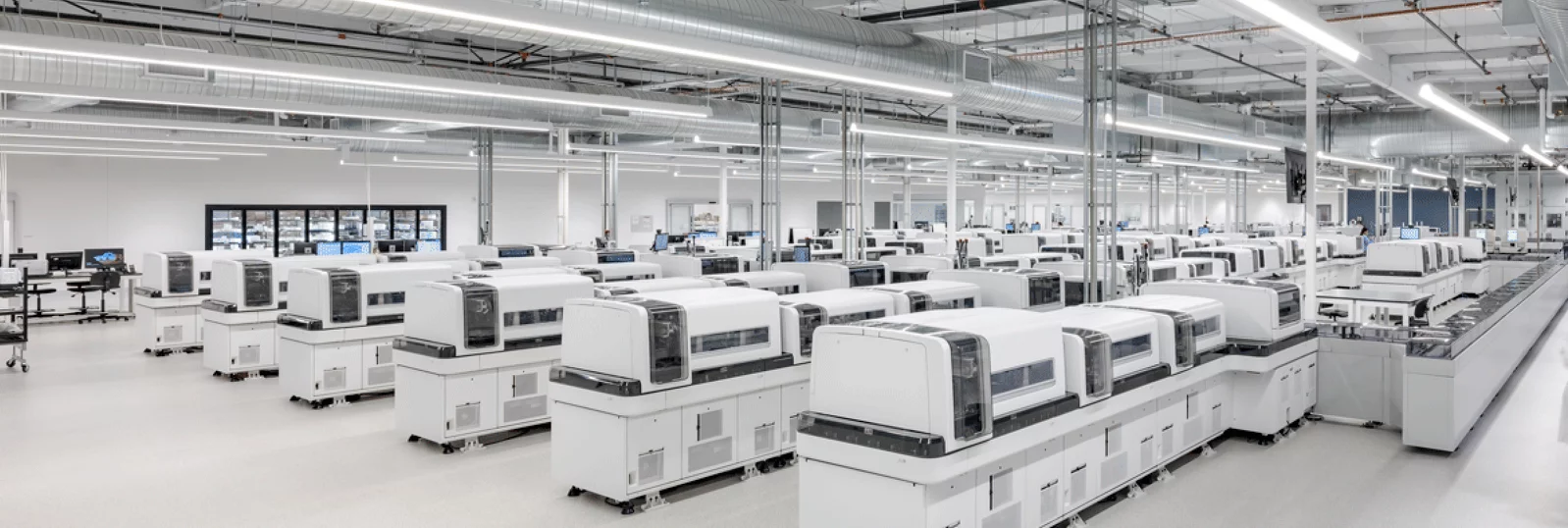
Simulation environments are increasingly appearing alongside traditional research spaces. In many cases, organizations are repurposing underutilized wet lab areas into electronics-heavy simulation environments.
Wet labs are often well suited for this transition because they are already designed with robust infrastructure. Compared with many other types of laboratory space, wet labs typically have greater electrical capacity and mechanical systems capable of supporting higher loads. When research programs shift or certain bench areas become underutilized, these spaces can often be adapted more easily for computing-intensive simulation environments.
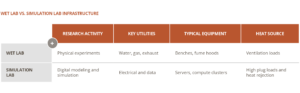
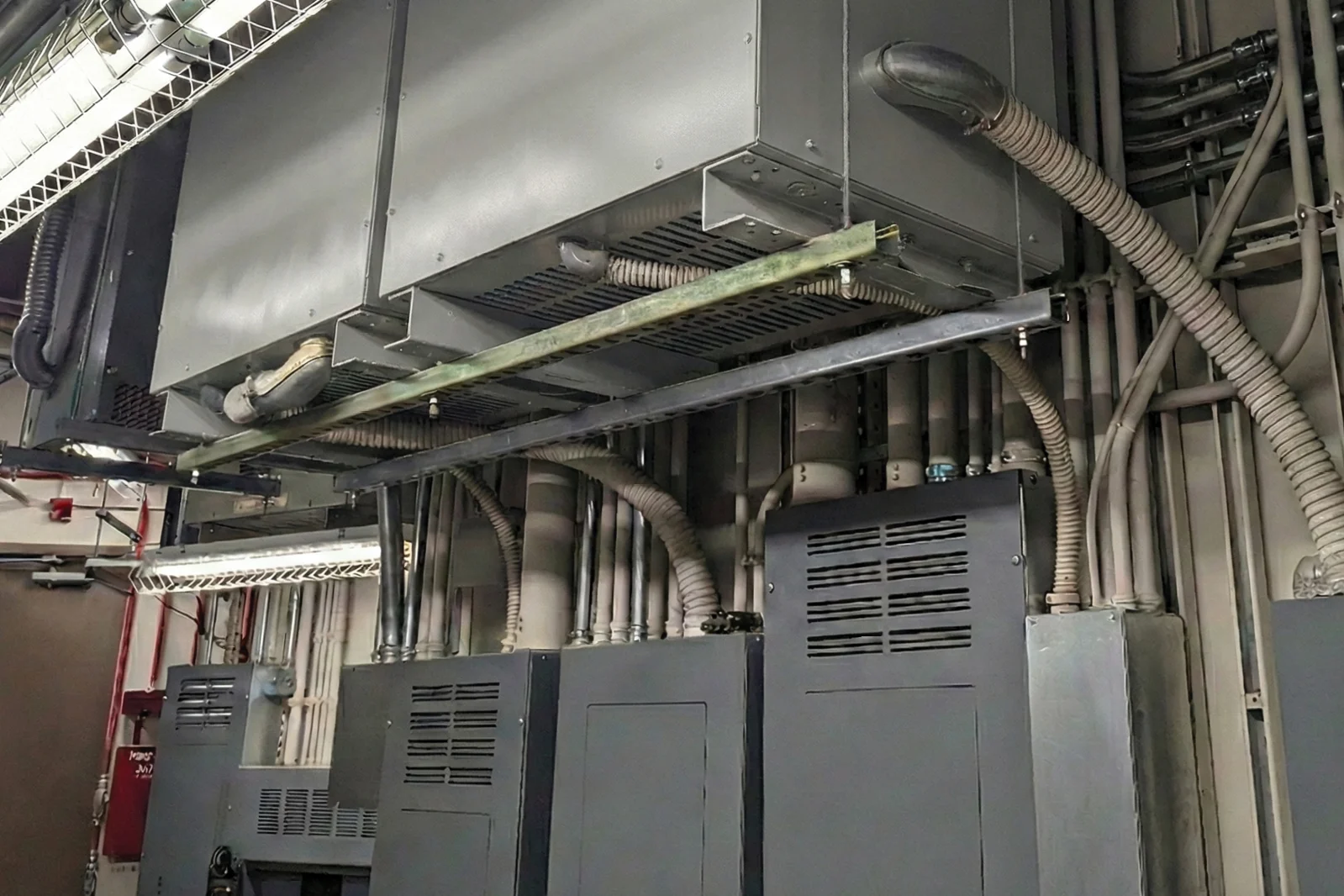
These differences highlight why converting existing wet lab space can change the building’s utility profile. Plug loads increase, heat rejection rises, and cooling systems must accommodate concentrated computing equipment.
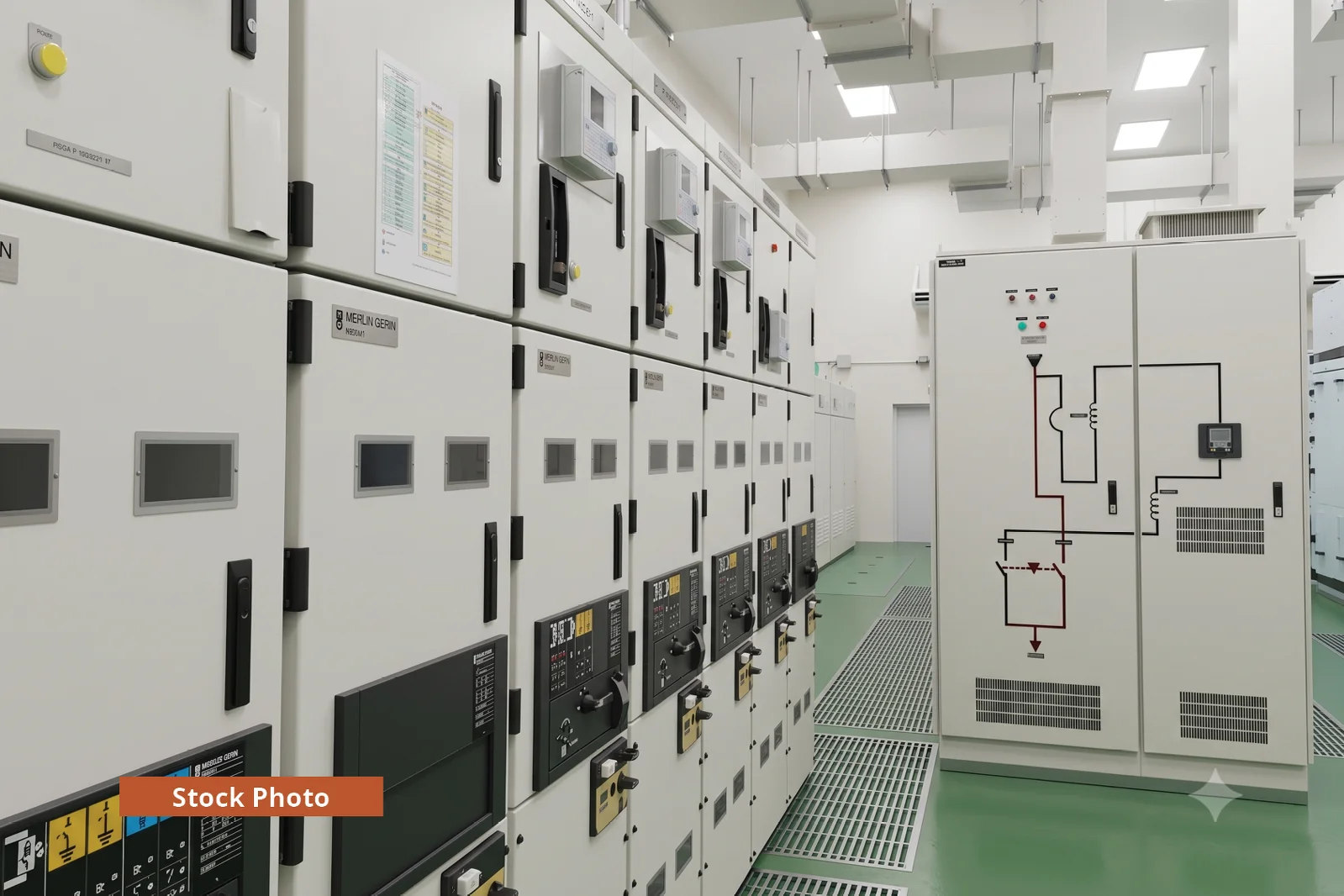
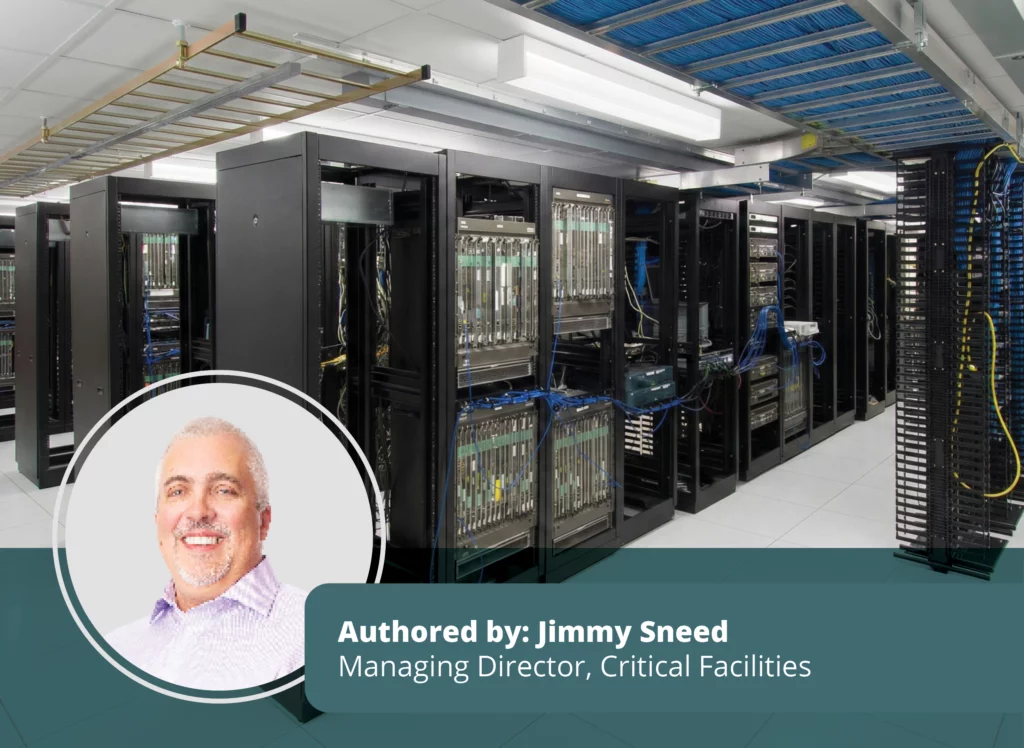
As simulation environments expand, portions of research buildings may begin to look like compact data center environments.
Some organizations will continue relying primarily on cloud computing resources. Others may choose to bring more modeling capability on-site for speed, security, or operational control. When that happens, electrical density and cooling requirements increase significantly within a relatively small footprint.
Over time, emerging technologies such as advanced AI and quantum computing could push computational density even higher. While the timeline remains uncertain, the path forward is clear: more computing power will likely require more infrastructure support.
Facilities designed with expandable electrical capacity and scalable cooling systems will be far better positioned to accommodate that shift.
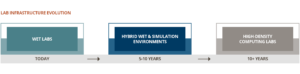
Organizations approaching this shift typically take one of two paths. Some repurpose existing lab space where infrastructure allows. Others plan dedicated simulation environments as part of renovations or new facilities.
Both strategies can work, but each requires a clear understanding of how research priorities may evolve. Facilities leaders evaluating simulation infrastructure should consider questions such as:
Facilities leaders should start evaluating how simulation could affect their infrastructure. The buildings that adapt early will be best positioned to support the next generation of scientific discovery.