Our projects tell the stories of how we deliver a lasting impact for our clients.Explore some of our favorites
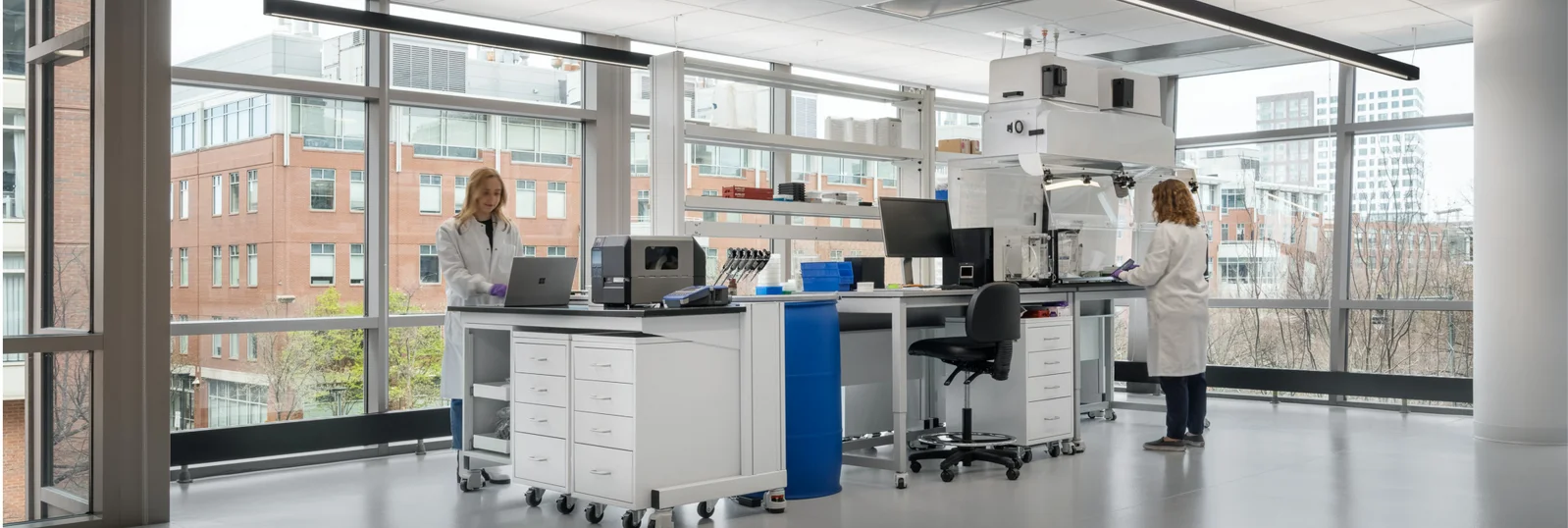
The right resiliency strategy looks different to everyone, especially in science and technology facilities, where operational continuity can mean the difference between lost research, missed clinical milestones, or production delays. Building the right case for resiliency begins with understanding what’s at risk both inside and outside of a facility and quantifying what downtime costs a business.
Every resiliency plan starts by defining the risks a facility faces. Some are external hazards, like floods, hurricanes, or lightning strikes. Others are internal risks, such as equipment failure or single points of failure in mechanical, electrical, or plumbing systems.
Conducting a Hazard and Operations Analysis (HAZOP) helps teams systematically evaluate:
Understanding both types of risk provides the foundation for a right-sized resiliency strategy.
Once risks are identified, it’s time to determine how much they matter. Downtime can cost more than time; it can mean not only lost samples or failed experiments but also damaged or unusable products.
For example, in a clinical manufacturing suite, a two-day loss of power could mean a month’s worth of compromised materials. In an R&D lab, a freezer failure might mean restarting a month(s)-long experiment. Quantifying those costs helps define how much resiliency investment is justified.
A simple way to frame this: Resiliency Investment = (Likelihood of Failure × Cost of Downtime)/Per Failure
If the cost of failure outweighs the cost of preventive investment, it’s time to act.
Resiliency doesn’t always mean building the most redundant system possible. Overbuilding can be just as costly as underbuilding. The right approach aligns facility infrastructure with organizational master plan and business goals. Without that alignment, teams risk investing in protection that doesn’t match their needs or leaving critical systems vulnerable.
The most effective resiliency strategies are part of a broader master plan. They link business goals, capital planning, and facility needs into one roadmap.
Start with defining clear goals and assessing risks and then layer resiliency measures into the long-term plan. Whether that involves designing redundant systems, phasing infrastructure upgrades, or implementing proactive maintenance programs, each decision should fit into the larger roadmap.
Before investing in systems or upgrades, evaluate what’s at stake, quantify potential losses, and align every decision with business strategy. For more information how to right-size resiliency and ensure your facility is protected when it matters most, connect with me at rdoyle@wbengineering.com.