Our projects tell the stories of how we deliver a lasting impact for our clients.Explore some of our favorites
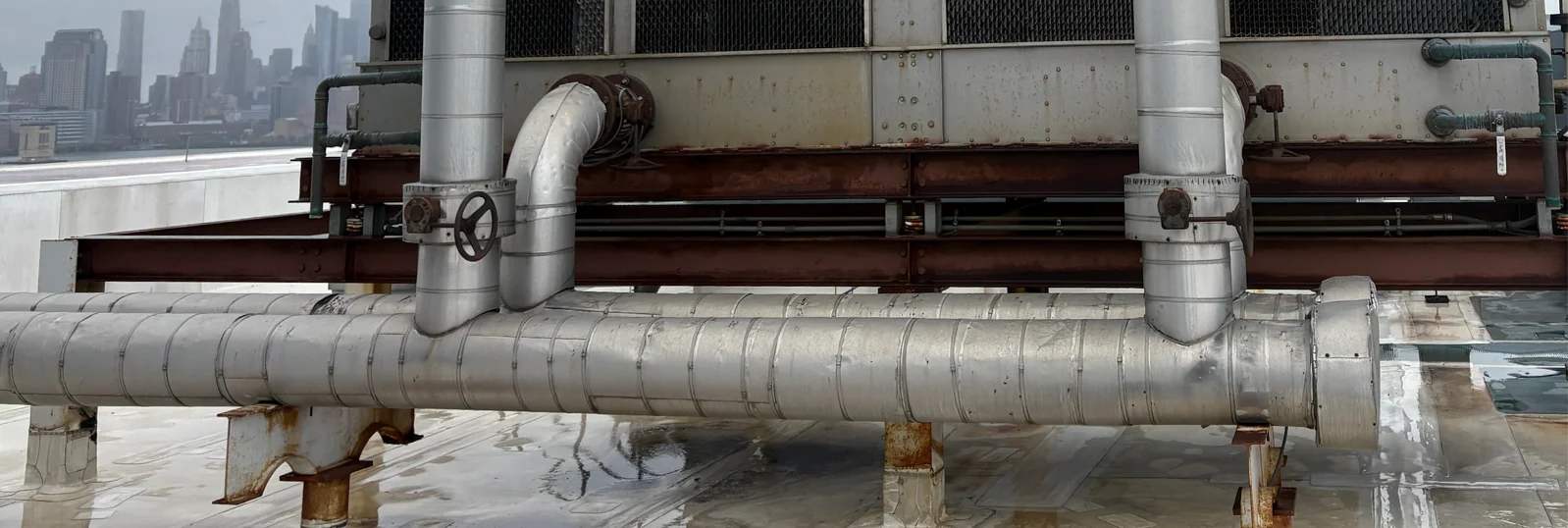
Stevens Institute of Technology worked with our team to conduct a mechanical assessment of McLean Hall, the Chemical Engineering building. One of the primary challenges identified was inadequate lab exhaust and ventilation. The university’s goal was to evaluate the building’s aging HVAC systems and identify opportunities to improve ventilation and occupant comfort, while supporting long-term system reliability and ongoing research and teaching activities.
Our team completed a study of McLean Hall’s mechanical infrastructure, evaluating the existing systems and their performance to inform future replacement and upgrade strategies. Our assessment included:
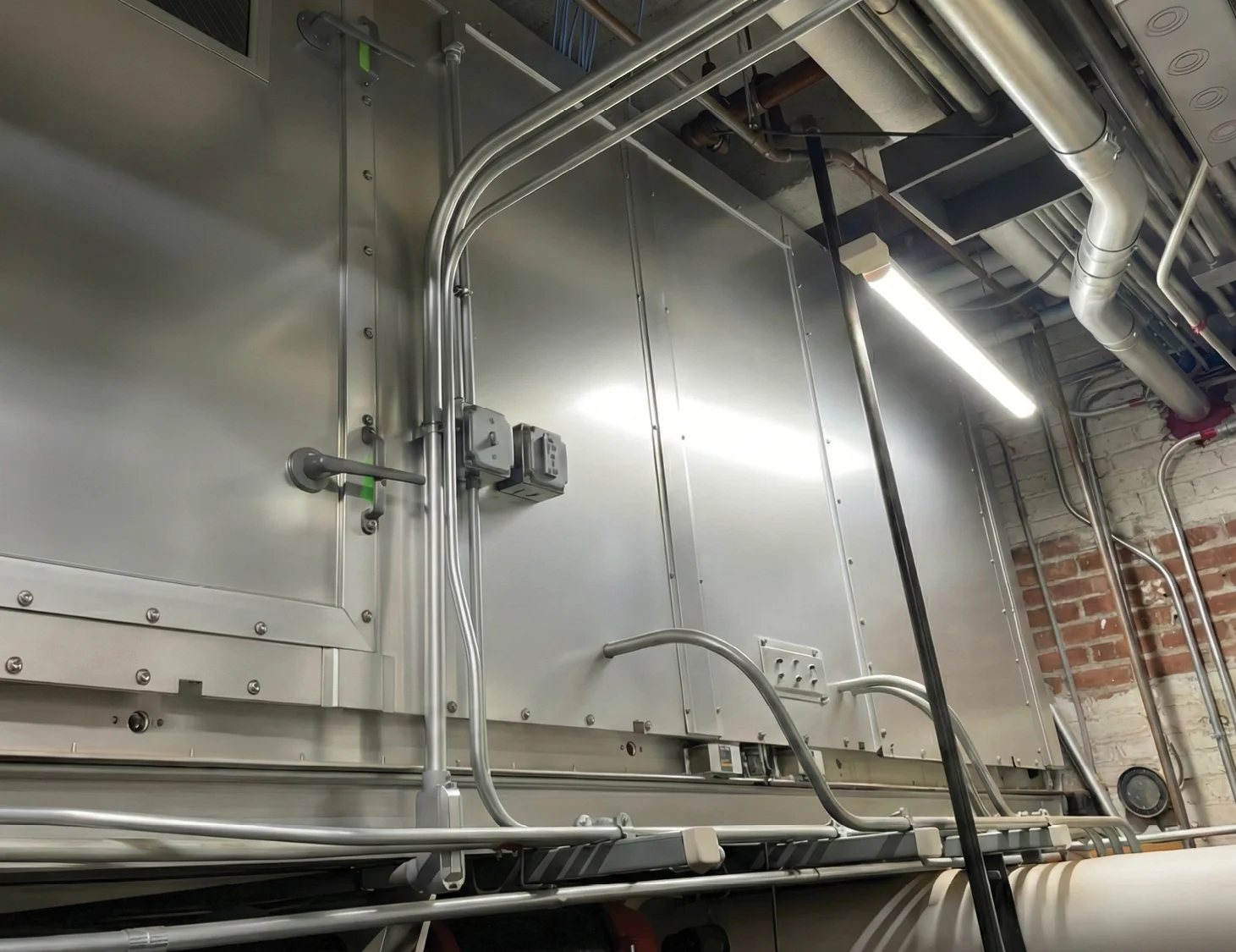
This assessment later became the foundation for a full HVAC system redesign and replacement, introducing modern air handling units, energy recovery systems, water-cooled chillers, cooling towers, a new boiler plant, and redundant mechanical capacity to ensure uninterrupted research and academic operations.
The HVAC assessment guided infrastructure investment decisions that strengthened building performance and resiliency and created a roadmap for future capital planning across the campus.