Our projects tell the stories of how we deliver a lasting impact for our clients.Explore some of our favorites
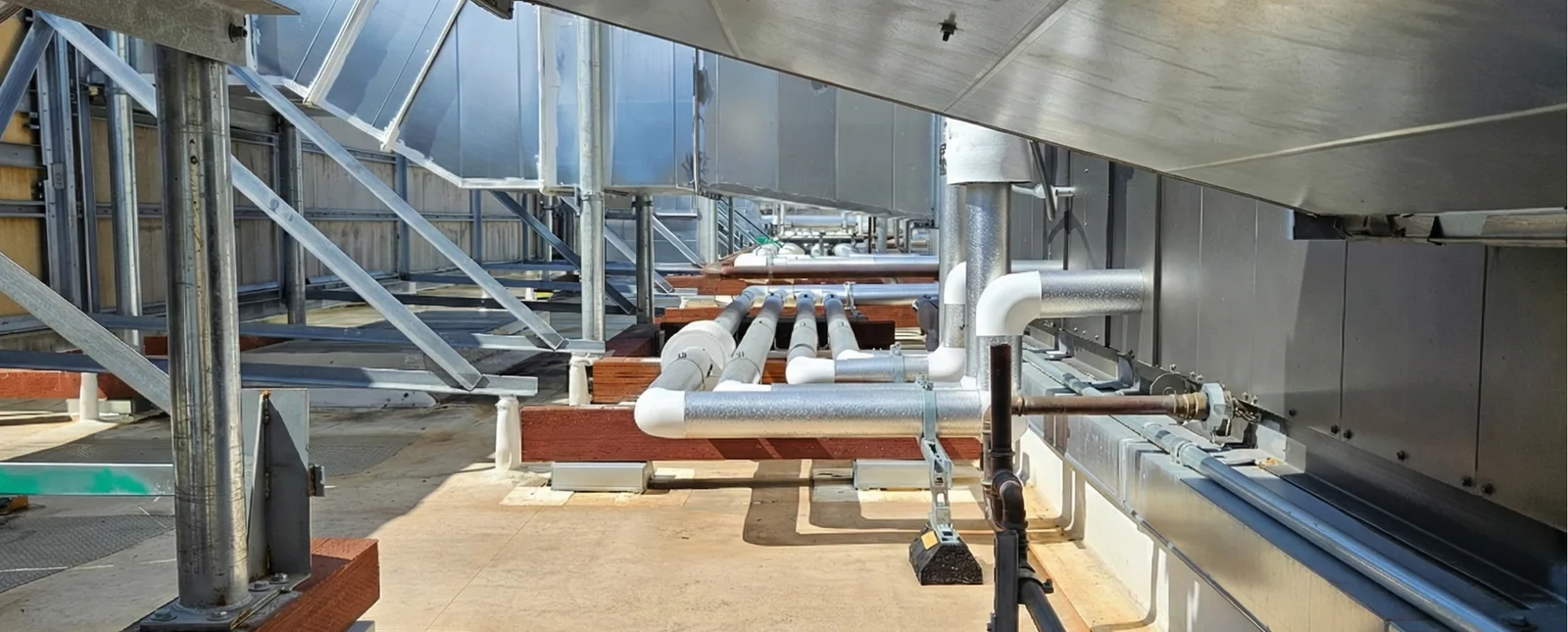
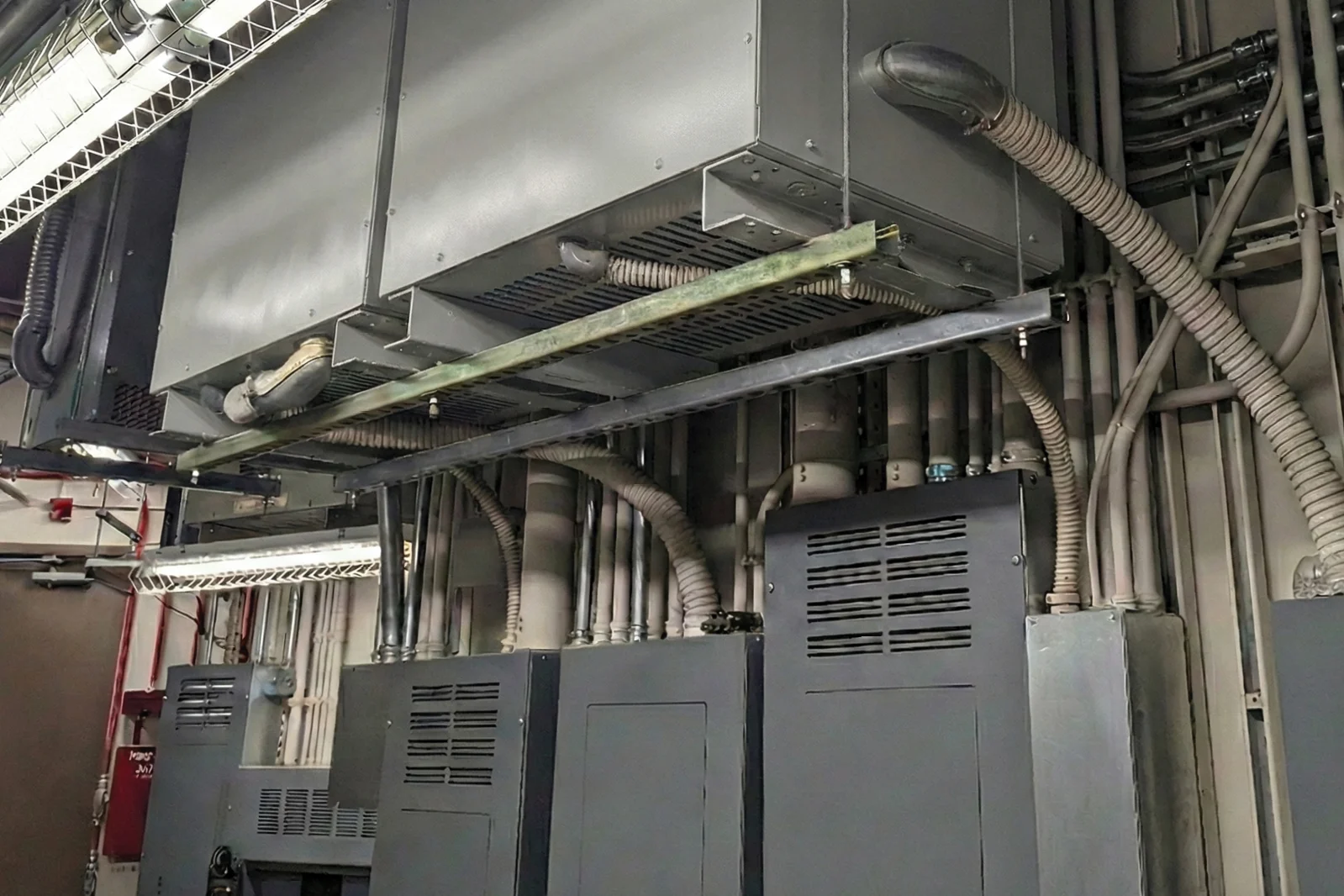
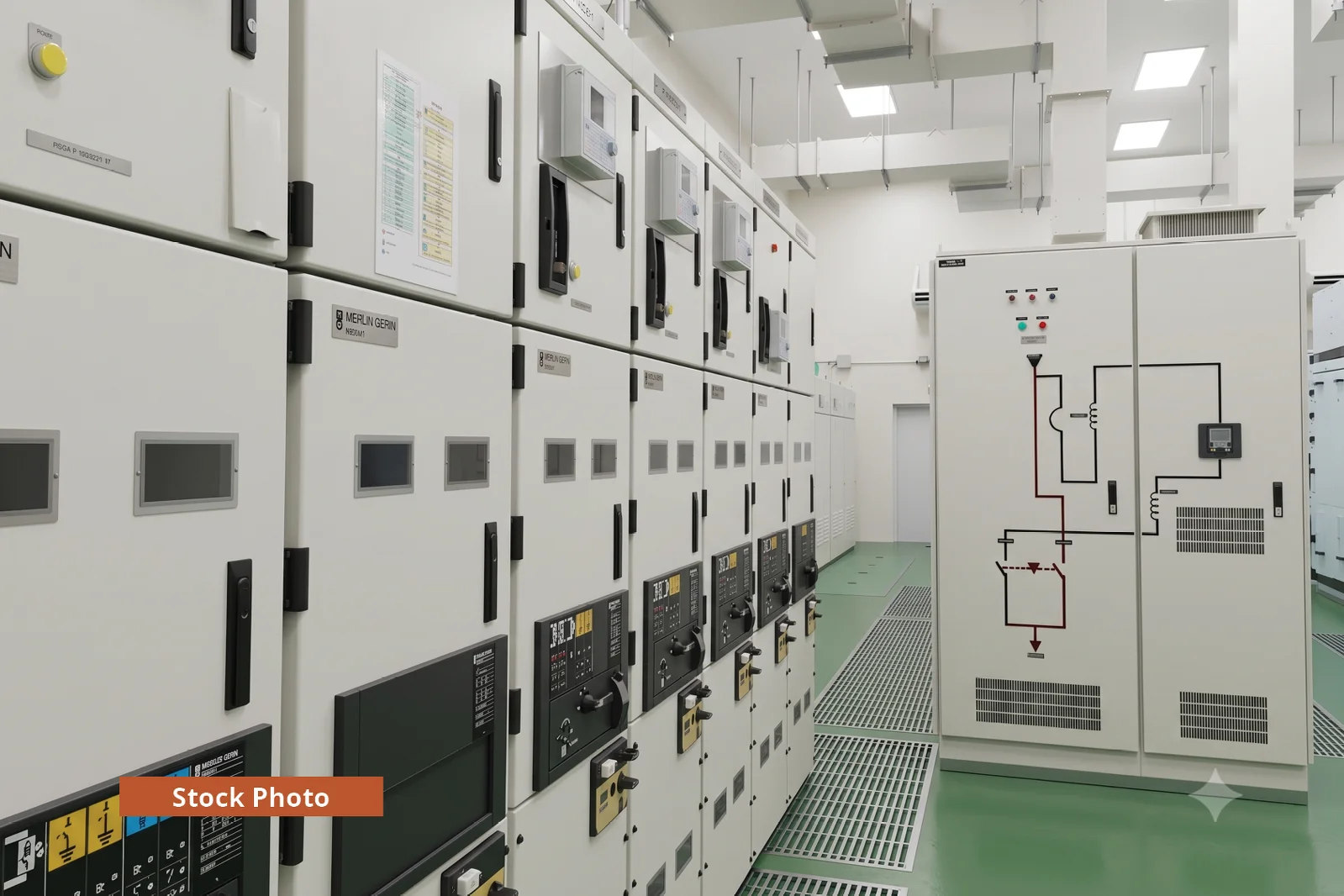
We’ve delivered over 250,000 tons of central plant cooling capacity, over 100 million BTU/h of heating upgrades, and more than 500 MW of standby power to keep facilities running efficiently and without interruption. From 100+ chiller installations to 50+ AHU replacements, our infrastructure expertise spans every major building system.
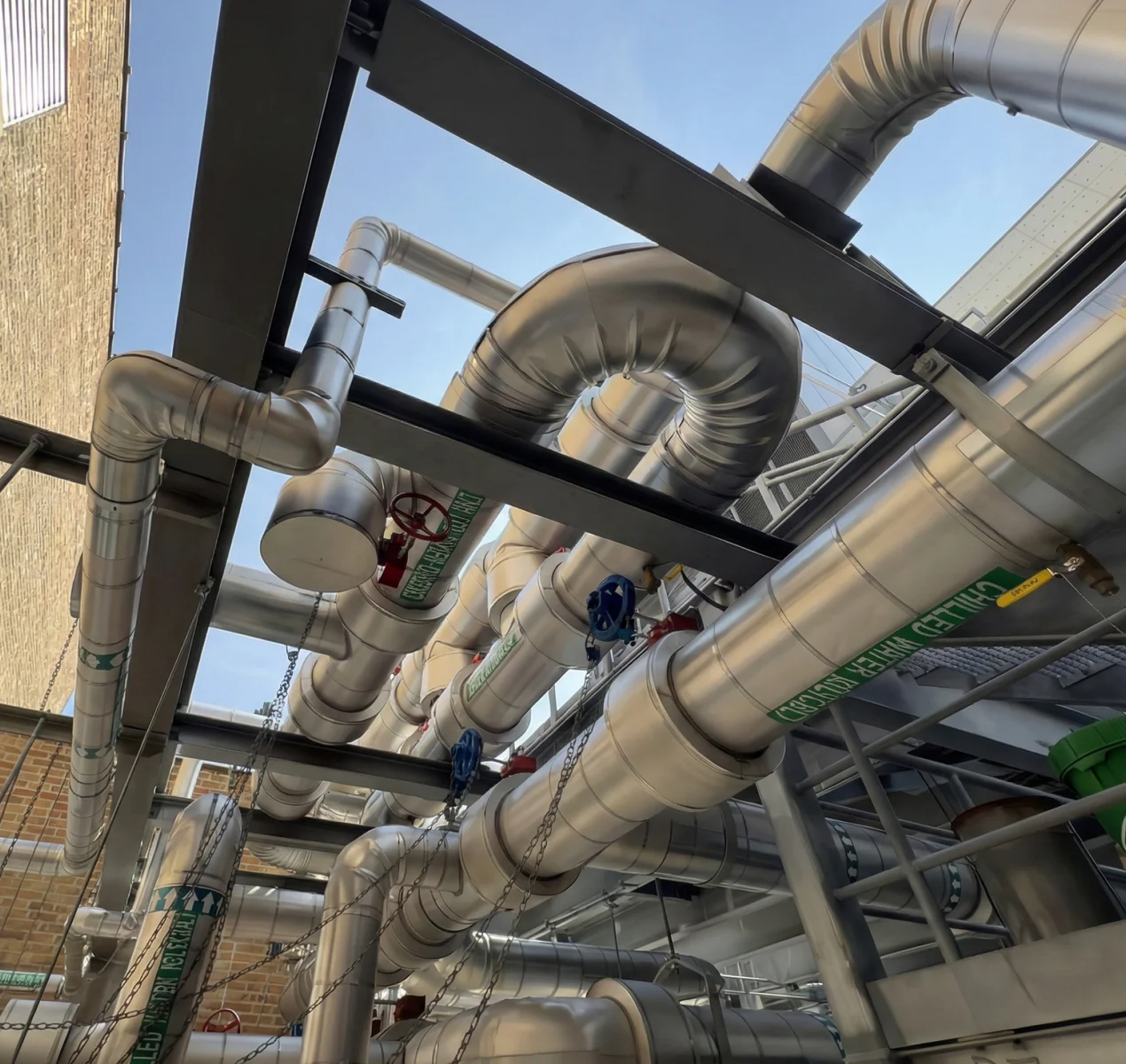
Many facilities depend on outdated MEP infrastructure that no longer meets current performance, efficiency, or safety standards. We develop phased strategies that allow systems to be upgraded while operations continue, minimizing downtime and disruption.
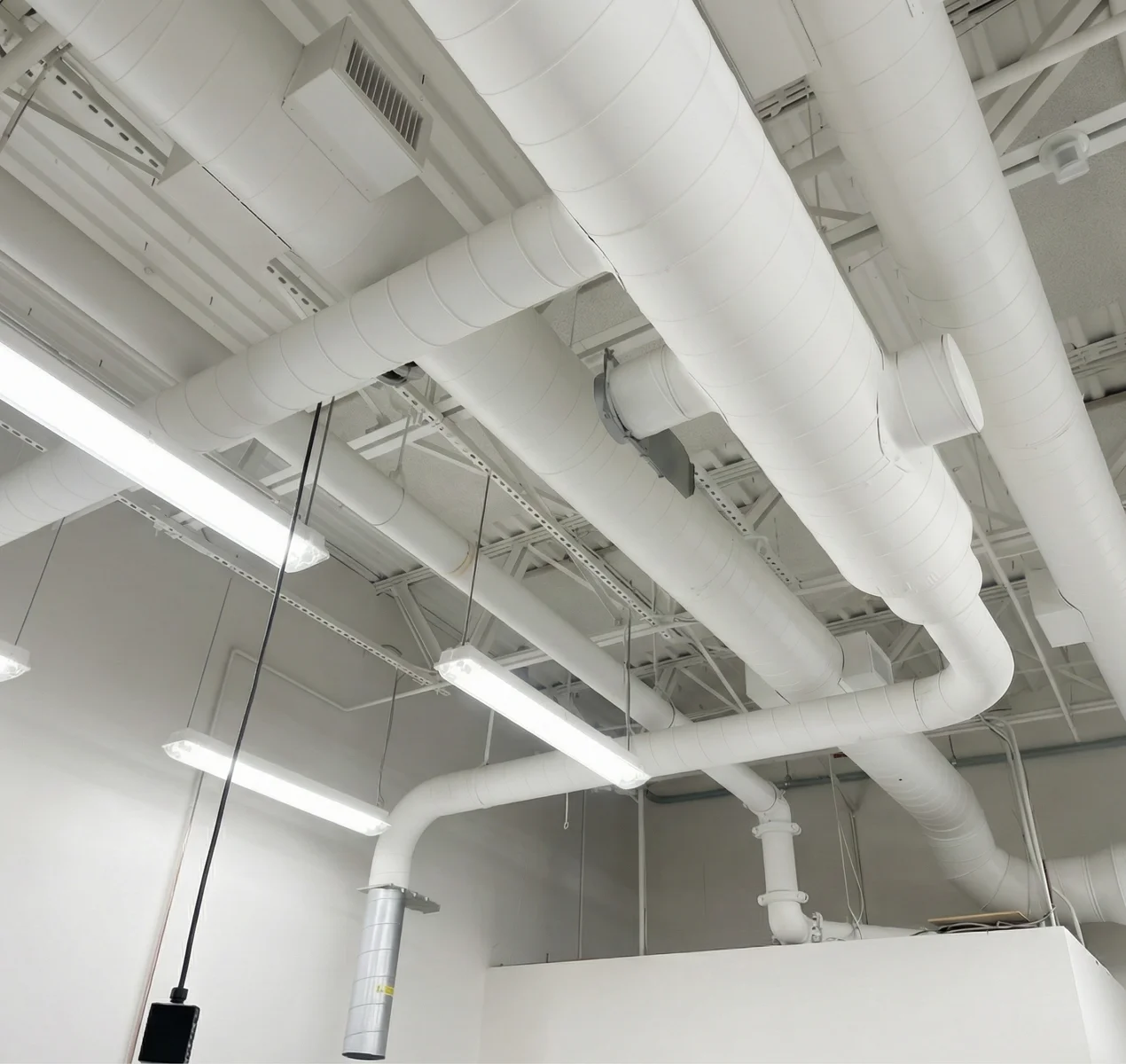
Unplanned outages can cost millions in lost productivity and damaged equipment. We design redundancy into critical systems, evaluate vulnerabilities, and implement infrastructure upgrades that help facilities withstand unexpected events, like power interruptions and mechanical failures.
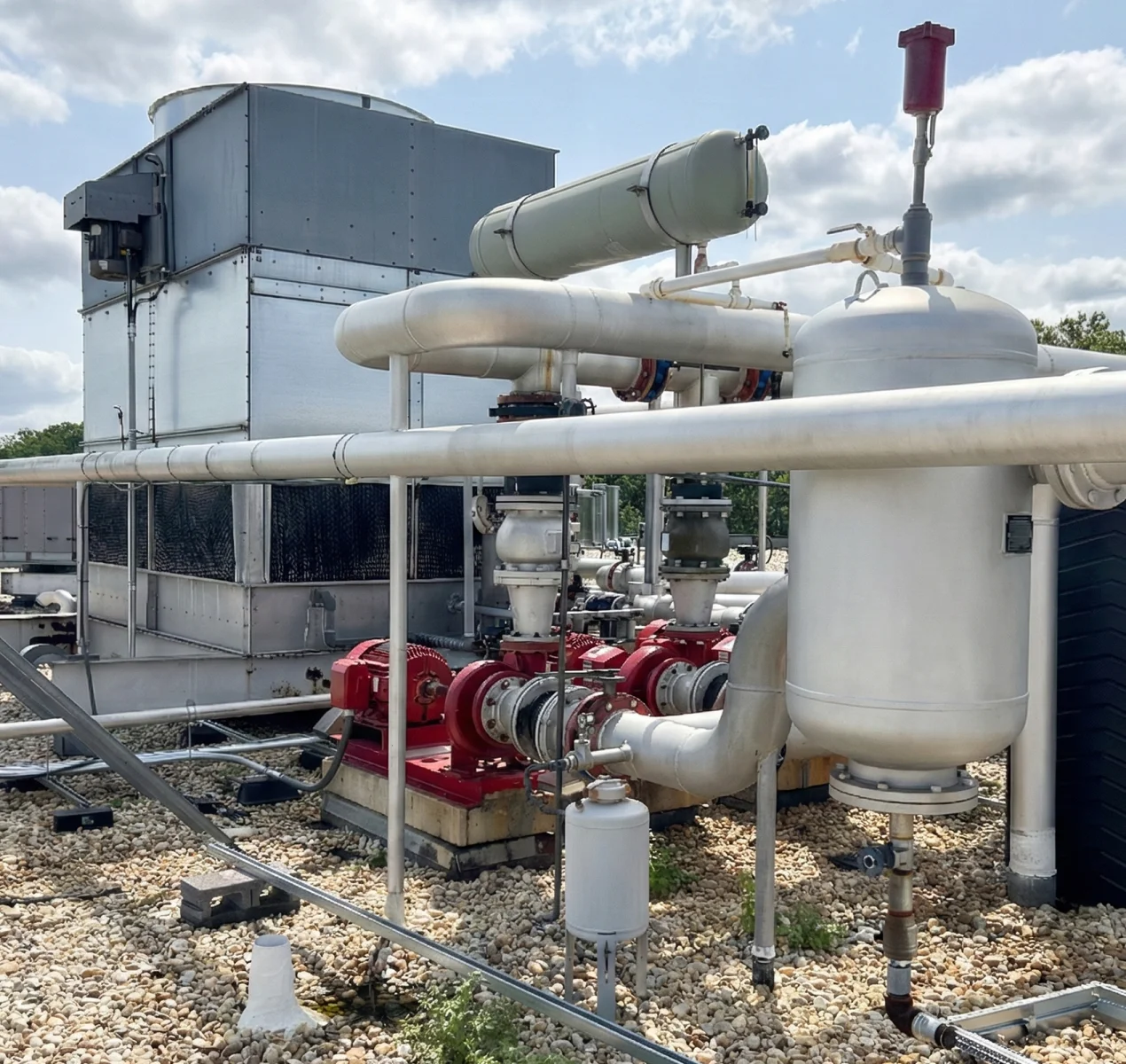
Business growth, new technologies, and changing tenant needs can quickly push existing systems to their limits. We help our clients forecast demand and right-size equipment that is scalable to meet current needs while preparing for what’s next.
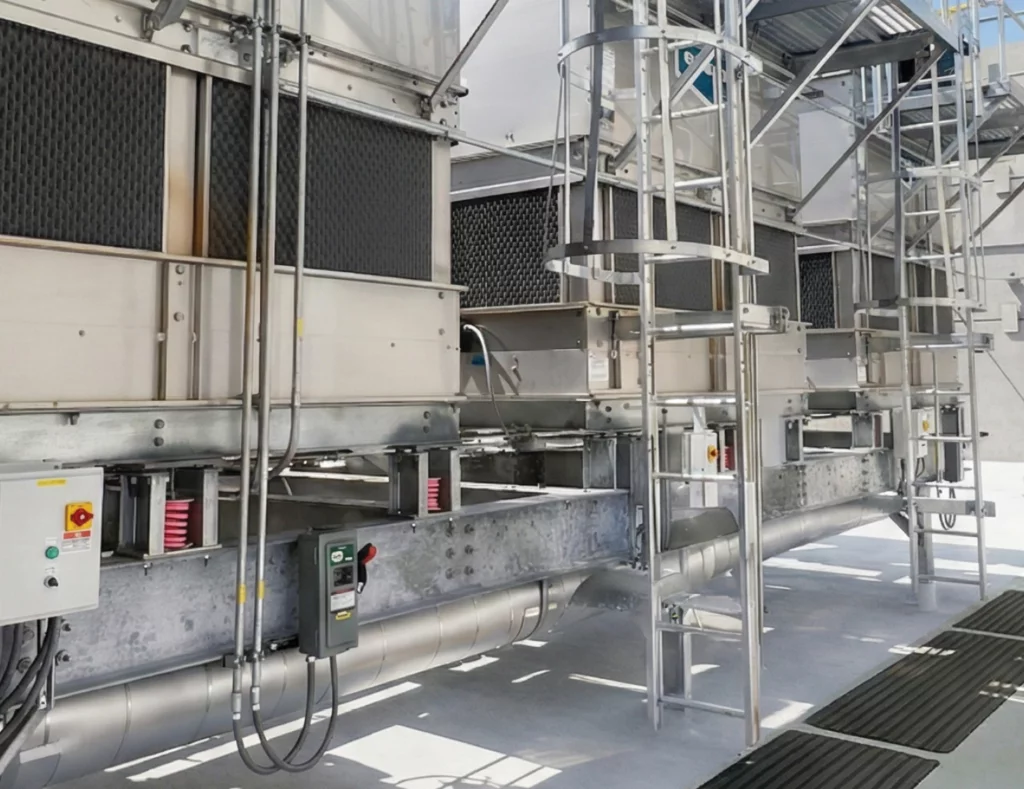
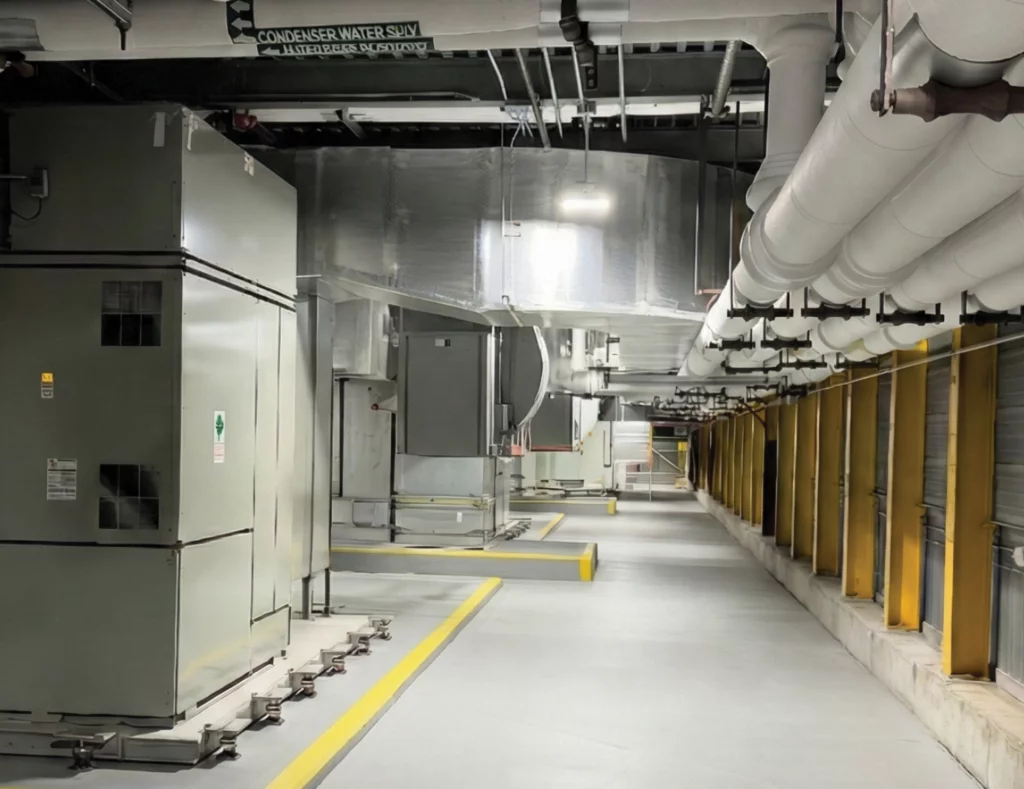
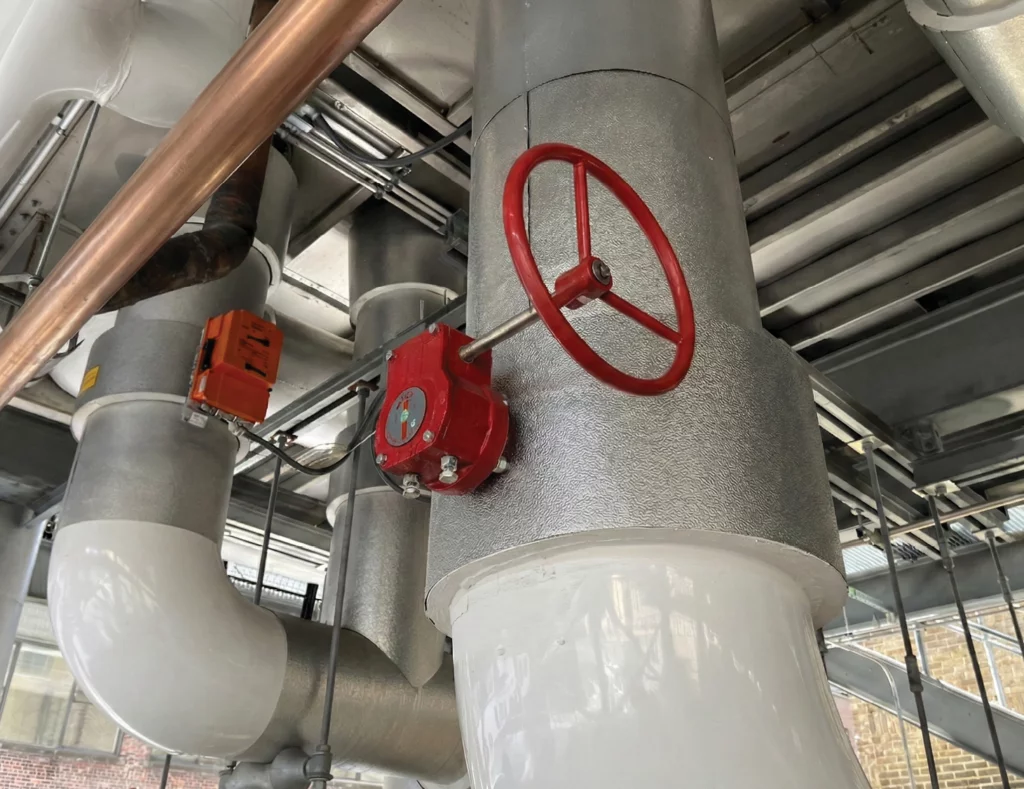
Common indicators include frequent equipment failures, rising maintenance costs, inconsistent temperature or pressure control, outdated safety features, and utility bills that increase despite stable usage.
Upgrades improve efficiency, reduce energy waste, and lower maintenance expenses by replacing outdated, high-consumption systems with modern, right-sized equipment. Enhanced controls and automation optimize performance in real time, cutting utility costs and extending system life, helping facilities save money year after year.
We recommend a comprehensive infrastructure assessment every 3–5 years, or sooner if your facility has undergone major operational changes. Routine assessments allow building managers to identify issues early, prioritize upgrades, and plan capital spending more effectively.
Reliable, well-performing systems create comfortable, safe, and productive environments for tenants. Upgrades can enhance air quality, lighting, temperature control, and system responsiveness, making spaces more appealing to current occupants and attractive to prospective tenants.
While lifespan varies by system type, usage, and maintenance, most major systems follow these general timelines:
Regular inspections and preventative maintenance can extend service life and delay costly replacements.