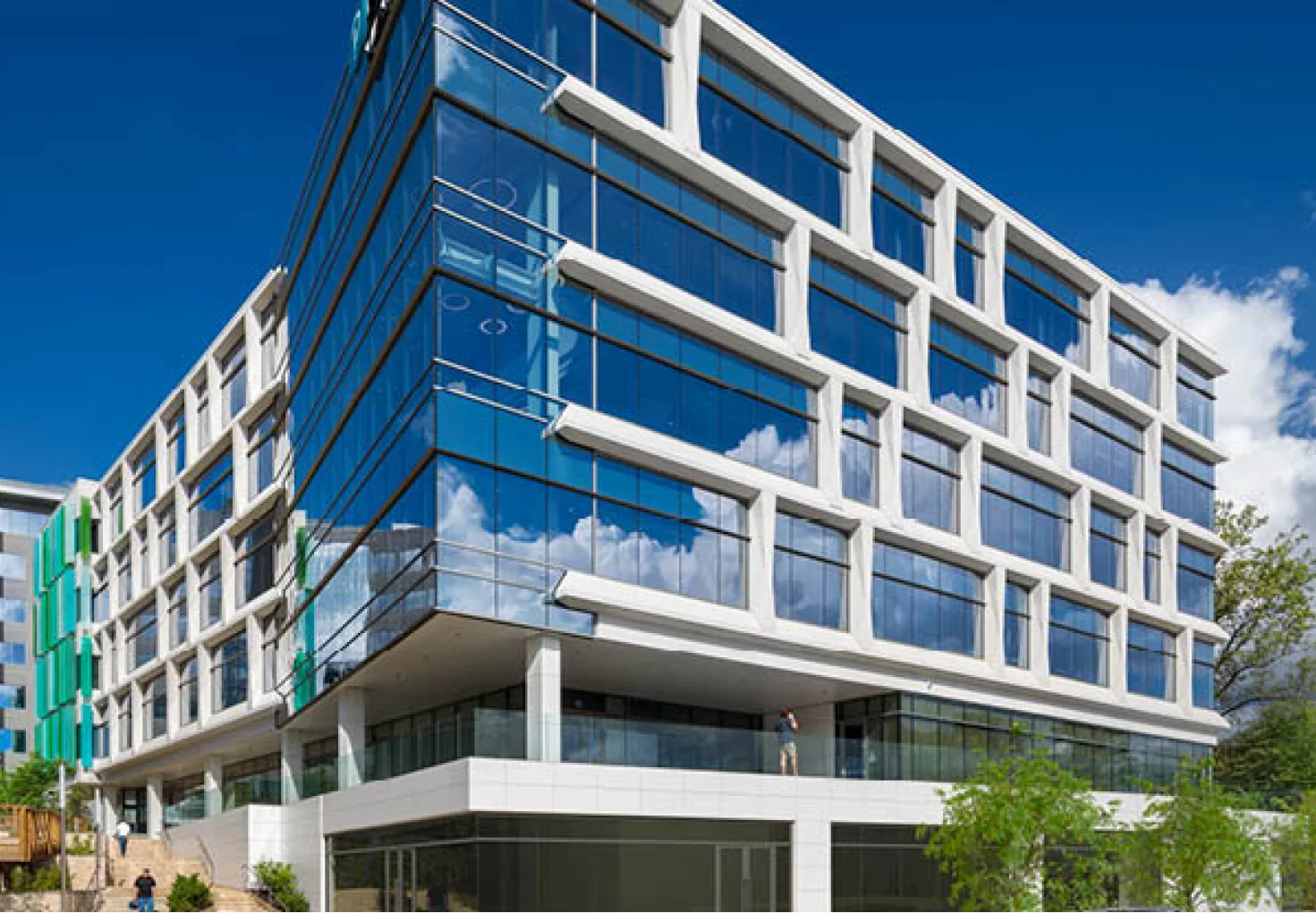
Our projects tell the stories of how we deliver a lasting impact for our clients.Explore some of our favorites
We make sure building systems perform properly. Our commissioning team tests and verifies systems at every stage, from design through operations, so facility managers and owners can be confident in both performance and investment.

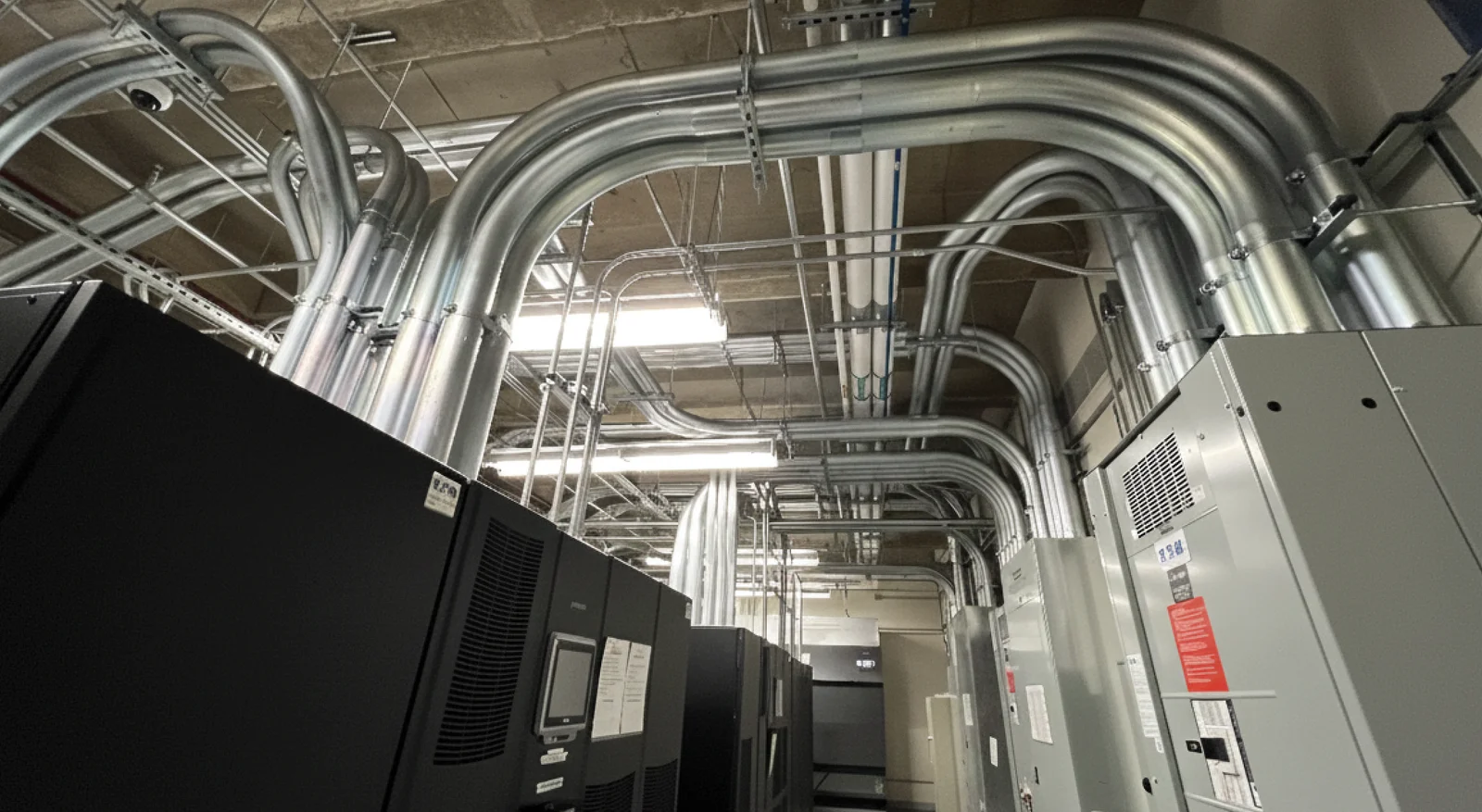
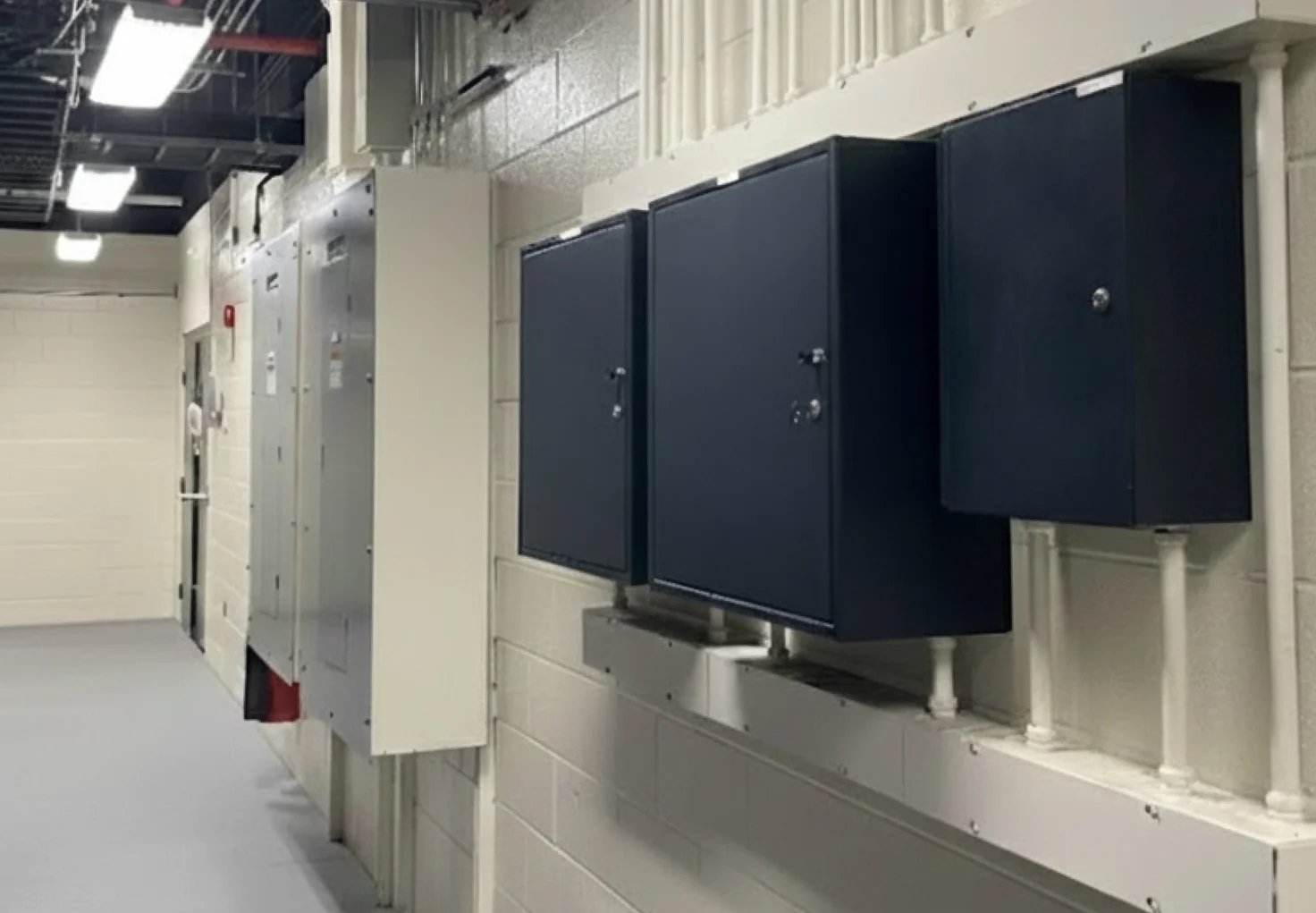
Commissioning brings an independent, operational perspective to design and construction. By reviewing drawings, submittals, and installations against owner requirements, we catch issues early and ensure new systems are delivered right the first time.
As equipment ages and tenant demands shift, even well-built systems lose efficiency. Through retro-commissioning, we diagnose hidden issues and restore systems to peak operation, often reducing energy use by 10–30% while extending equipment life.
The optimal performance of building systems decreases over time. With monitoring-based commissioning, we provide continuous oversight through real-time data, helping facility managers anticipate issues and keep buildings resilient.
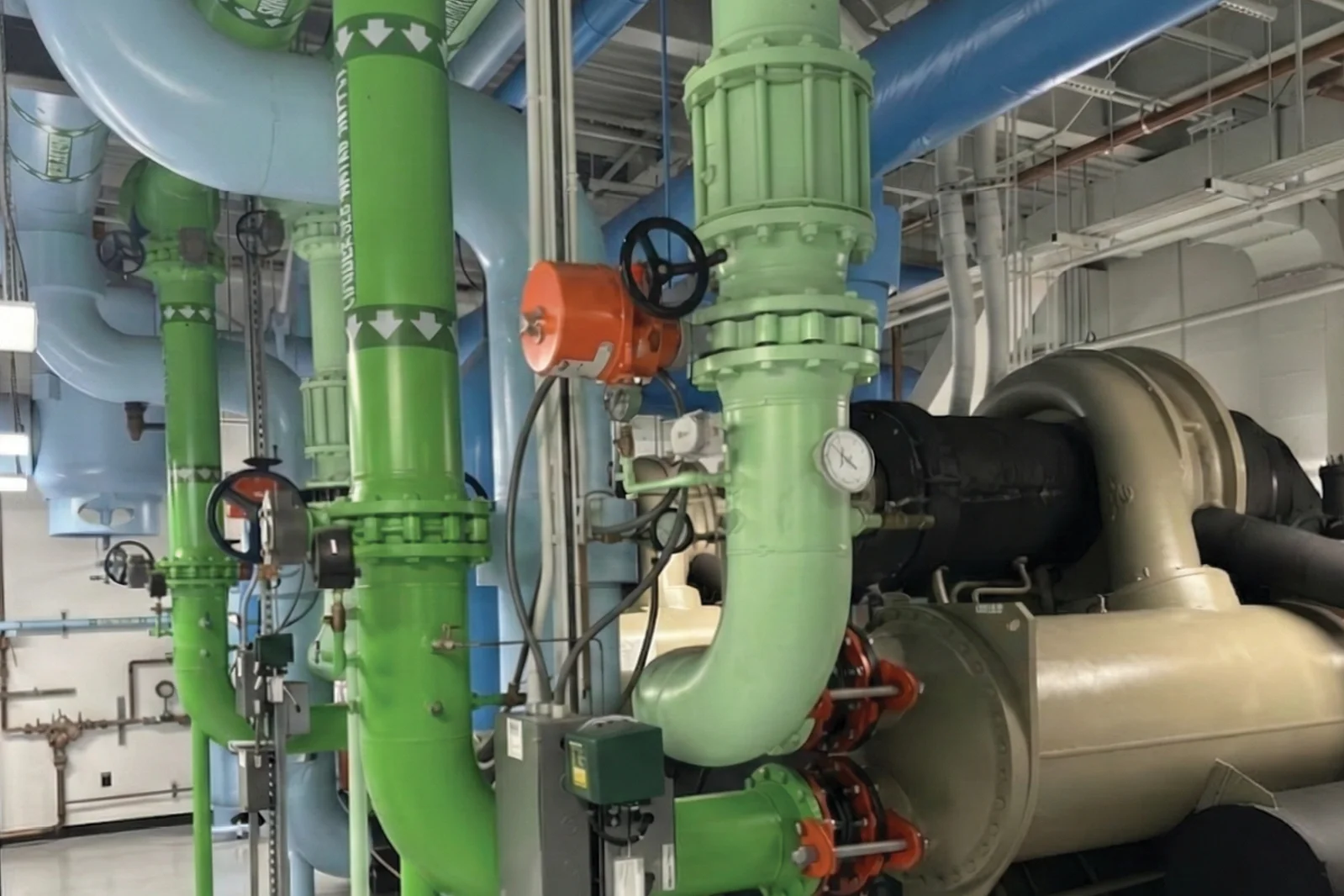
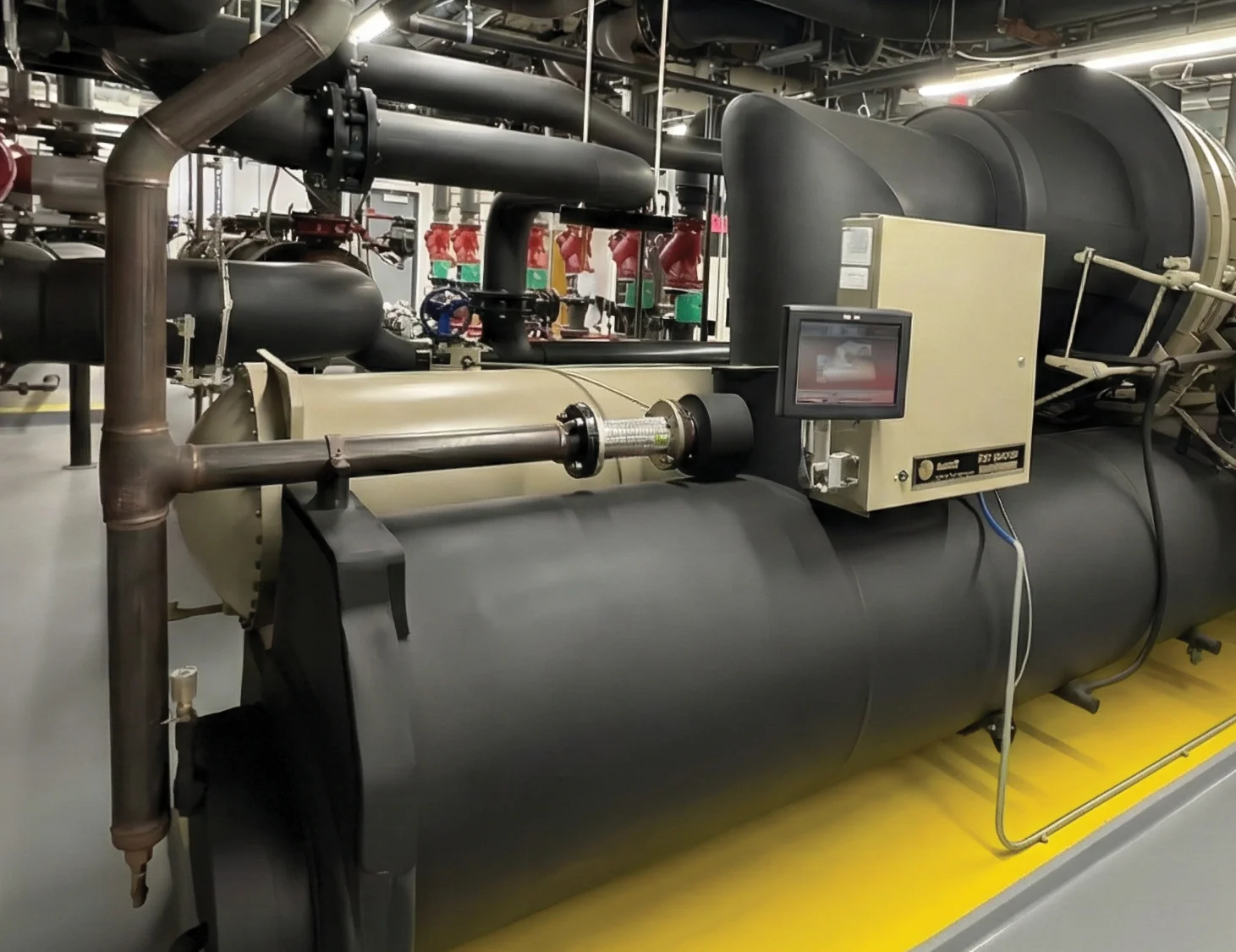
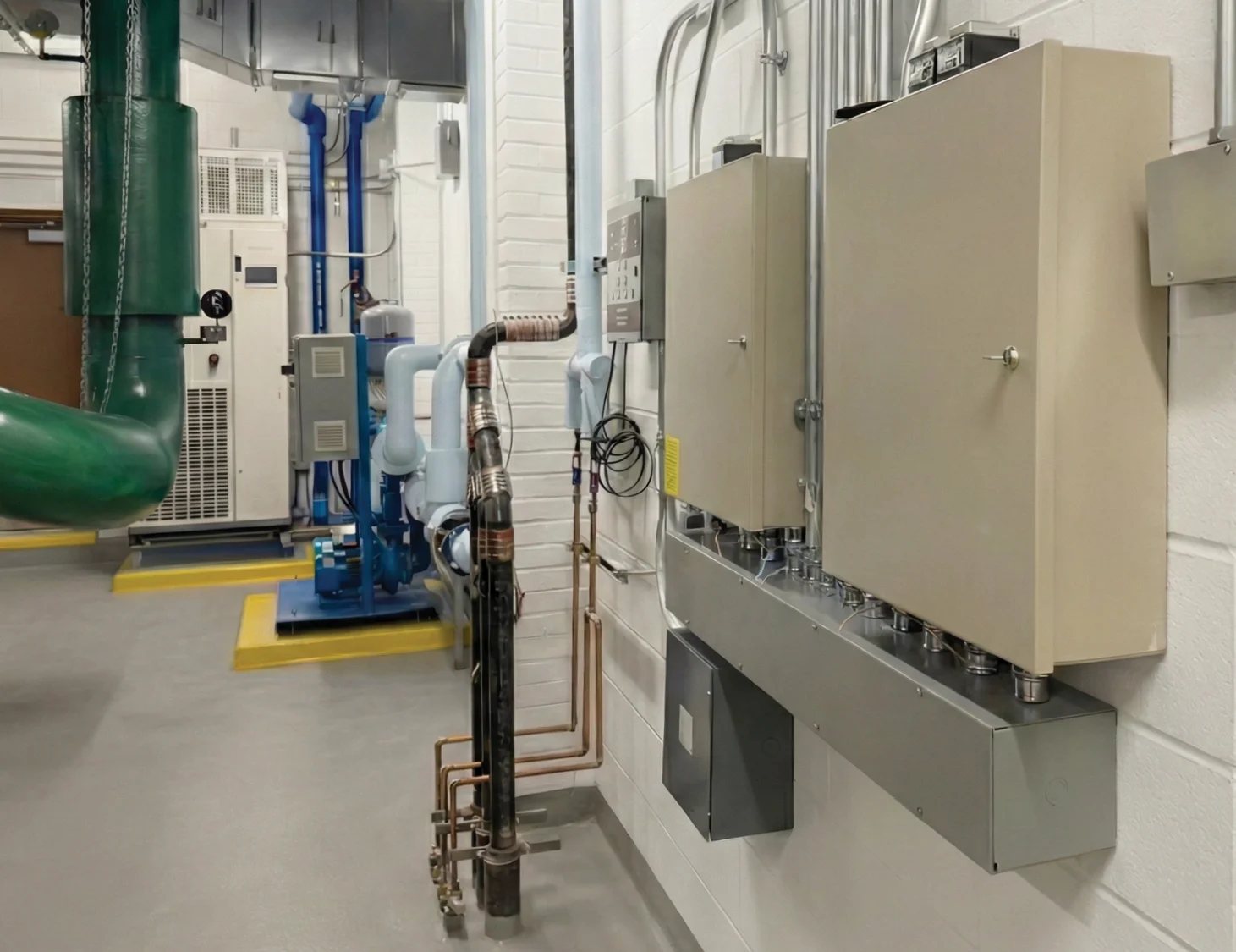
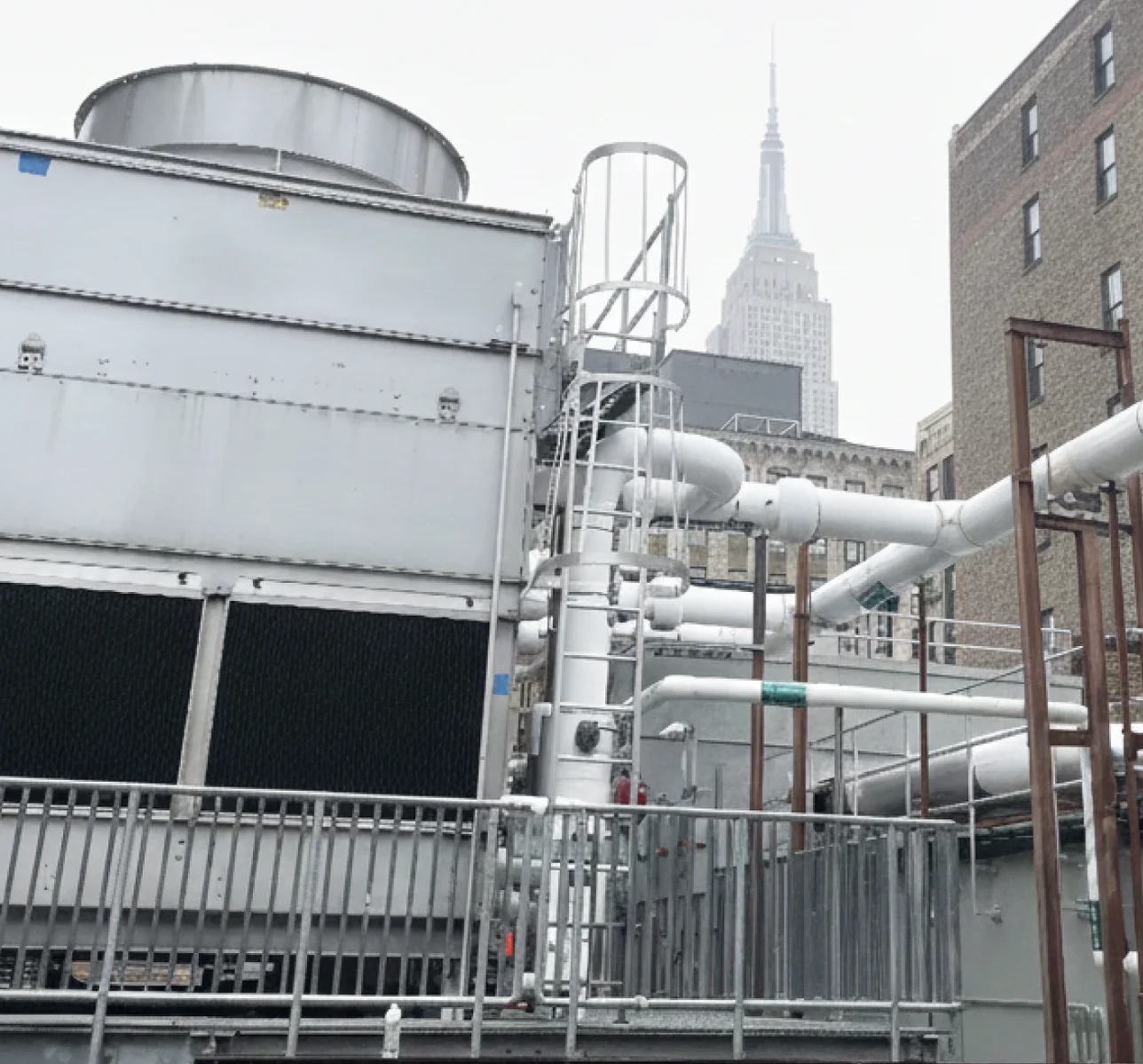
Too often, commissioning is seen as an expense rather than a value-driver. It lowers costs by catching problems early and improving system performance. Research from Lawrence Berkeley National Laboratory shows commissioning delivers an average of 16% energy savings in existing buildings and 13% in new construction. The payback can be as quick as about a year for existing facilities and just over four years for new ones.
Powering on is different than performing. Without commissioning, things like faulty sensors or improper setpoints go undetected, leading to wasted energy and tenant complaints. Commissioning verifies that the systems run as intended.
Commissioning is more than a final checklist; it’s a process that supports quality from design through occupancy. By connecting contractors, engineers, and owners early, we make sure issues are raised to the right people before they become costly. Acting as an owner’s advocate, we keep teams aligned to reduce rework and deliver buildings that operate smoothly from day one.