Our projects tell the stories of how we deliver a lasting impact for our clients.Explore some of our favorites
We design facilities that educate the next generation. With experience on 270+ higher education projects, we create spaces that promote learning, ensure safety, and deliver long-term performance.
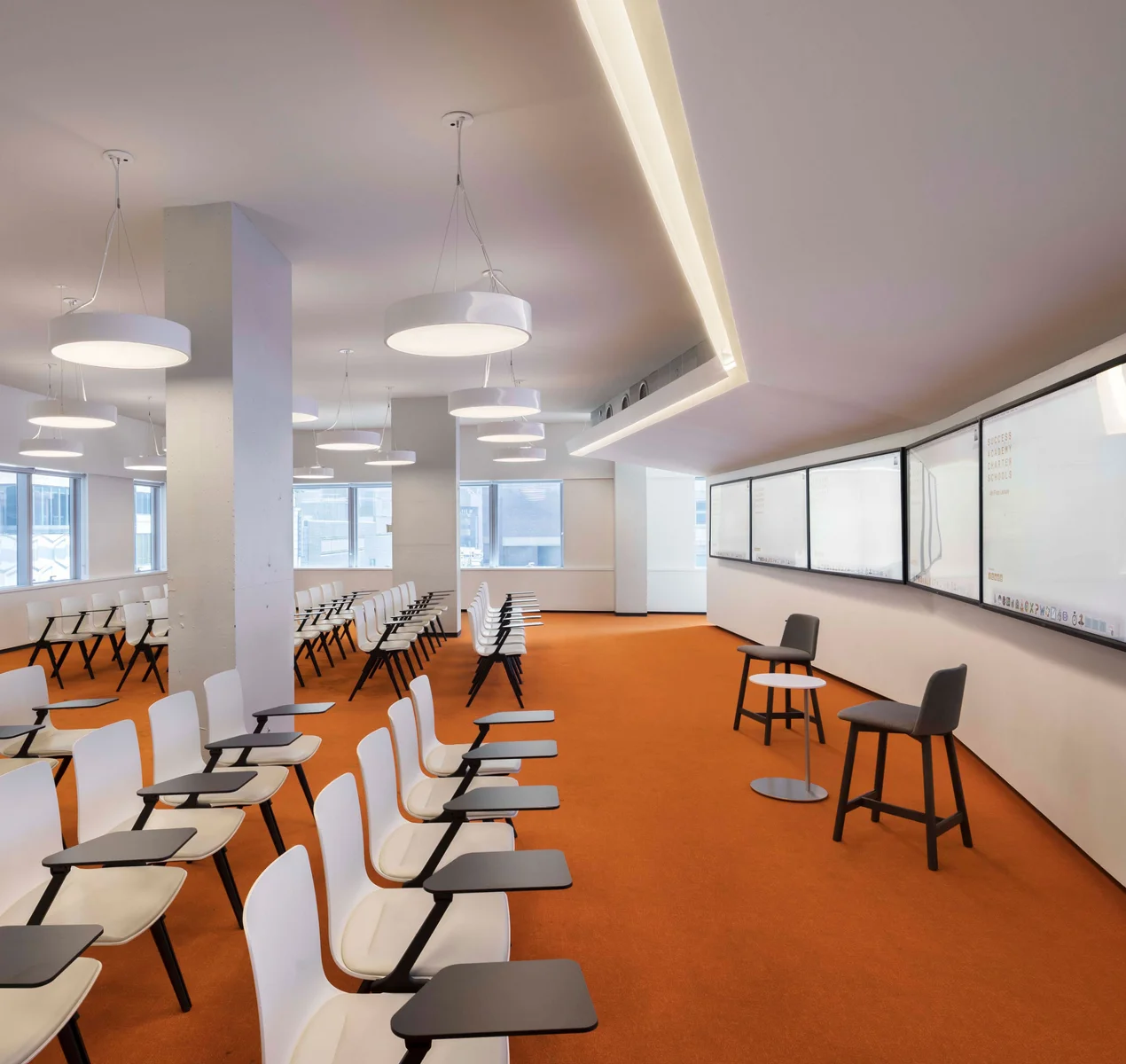
Educational buildings often have outdated infrastructure that can’t support modern academic needs. We help institutions assess existing conditions and phase infrastructure upgrades to minimize impact on academic schedules.
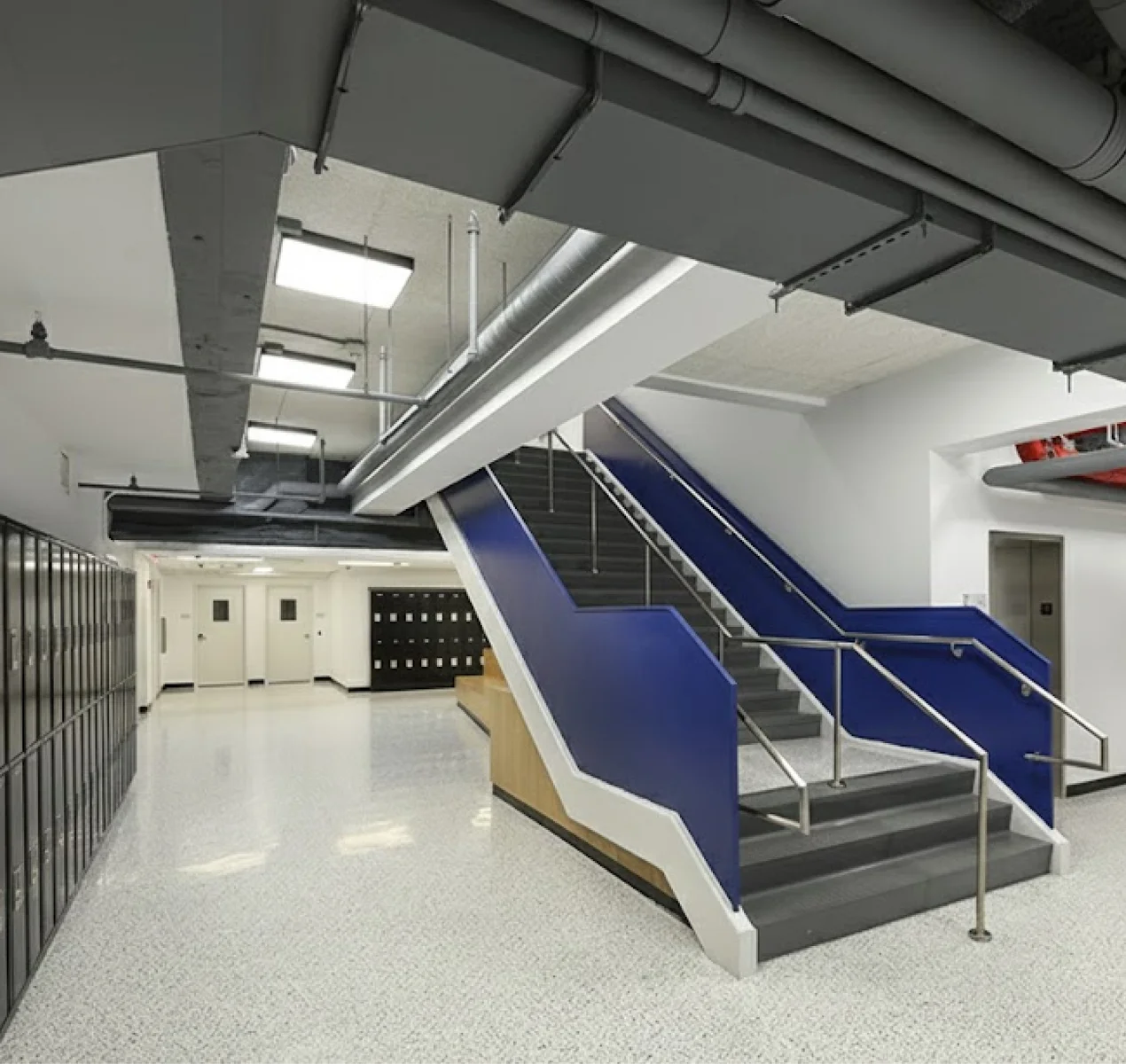
Tight summer construction windows and compressed project schedules are common in education. We understand how to adjust designs to meet lead times and deliver on time without sacrificing quality.
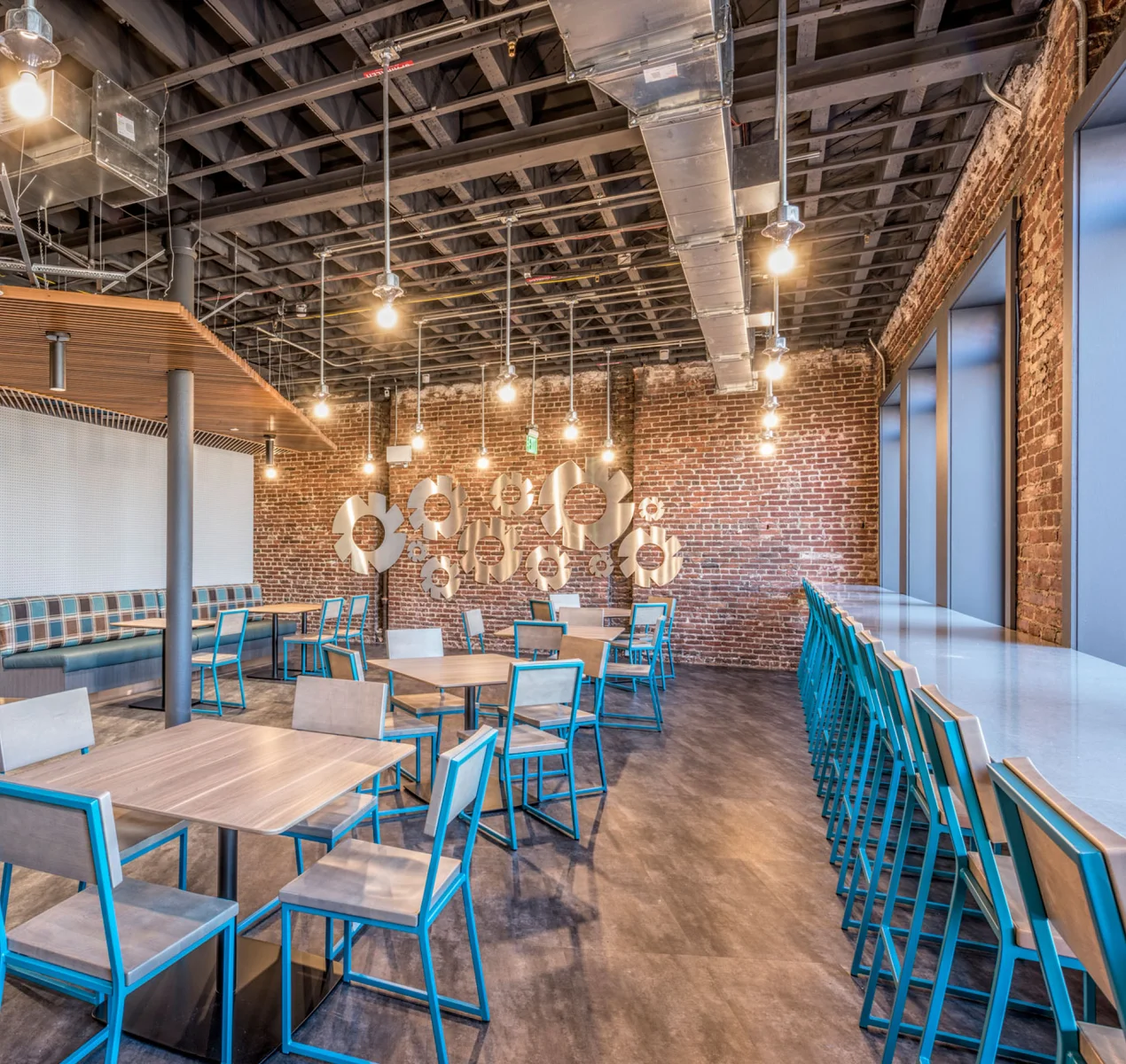
Sustainability is a top priority for educational institutions aiming to reduce operational costs and meet green building standards. We implement efficient HVAC, lighting, and controls strategies that result in long-term energy savings and improved occupant comfort.
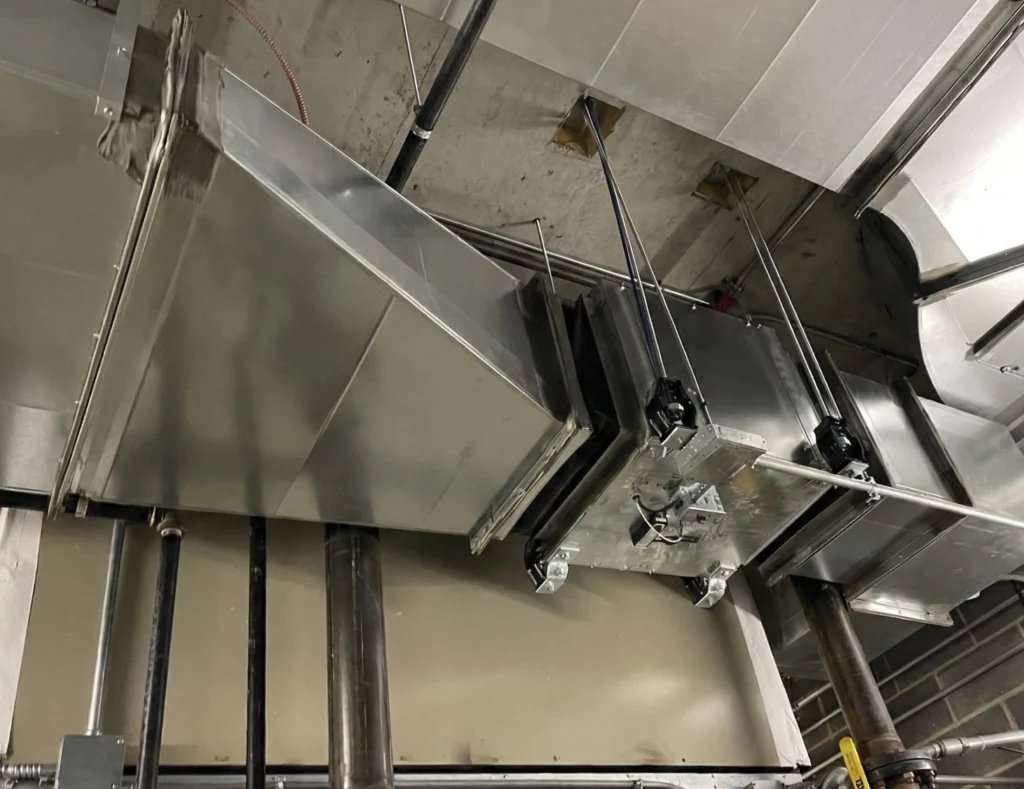
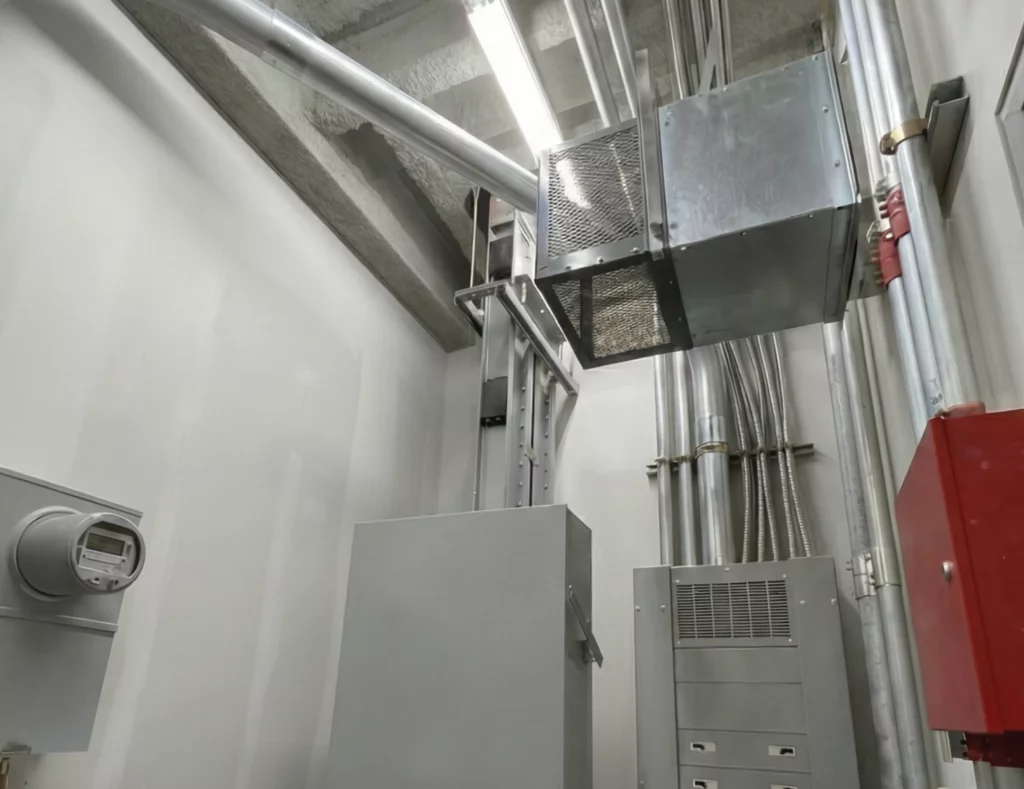
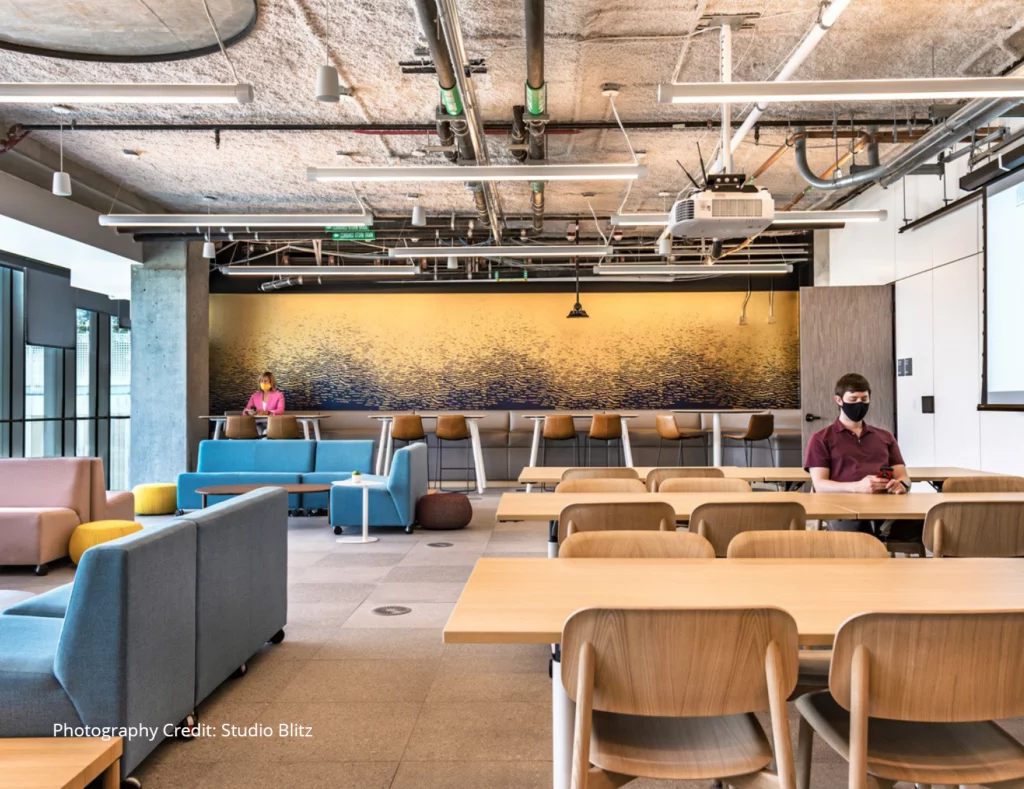
We recommend energy strategies that find the right balance between sustainability, performance, and cost-efficiency. These may include right-sizing HVAC systems, integrating demand-controlled ventilation, optimizing daylight and LED lighting, and incorporating building automation systems for smarter energy use.
Our MEP designs prioritize flexibility because we understand that learning environments evolve. Whether it’s future lab upgrades or modular classroom reconfigurations, we build in adaptability. Smart infrastructure planning ensures systems are scalable, so our clients can respond to enrollment changes, curriculum shifts, and new technologies with confidence.
We partner with clients during capital planning and master planning efforts to align facility infrastructure with academic, research, and growth goals. Our team identifies opportunities to streamline operations, integrate smart building systems, and design for future expansion, so our clients can invest smarter, plan ahead, and avoid costly rework later.
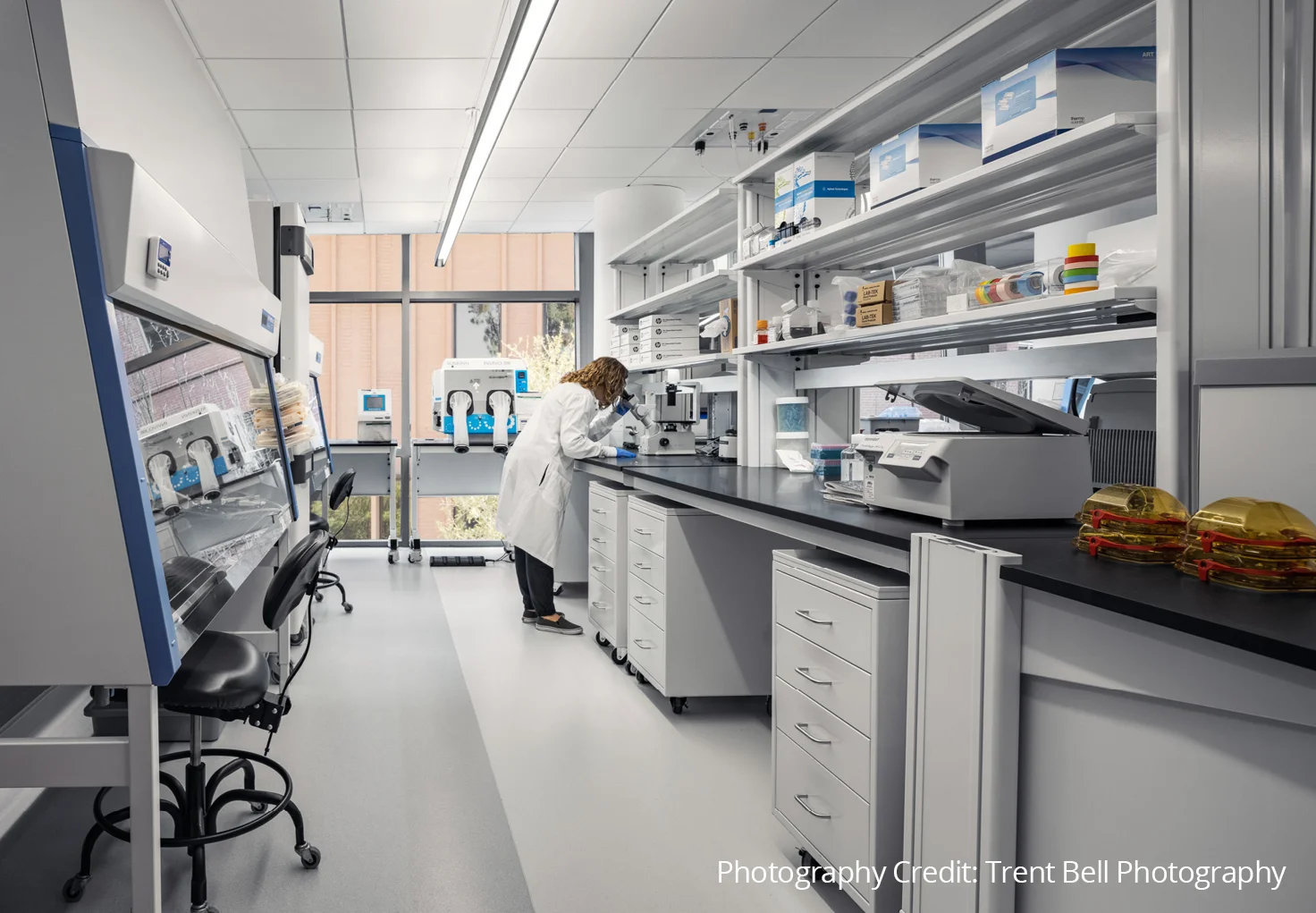
Lab design in higher education is unique because it must balance advanced research capabilities with academic flexibility. These spaces serve both students and faculty, so the MEP systems need to accommodate evolving curricula, specialized equipment, and safety requirements – often within shared or multi-use spaces.
We take a campus-wide approach to infrastructure planning to help colleges and universities design MEP systems that are scalable, resilient, and efficient. Central utility plants often play a key role in this strategy, providing reliable heating, cooling, and power to multiple buildings while minimizing redundancy and long-term operating costs.